
New product launches from CES 2026 Tech Preview: New Product That Will Transform Your Living Space
The annual Consumer Electronics Show (CES) has once again given us a glimpse into the future of our homes, and I have to say, the **new product launches from CES 2026** are less about flashy gimmicks and more about practical, intelligent solutions. If you’ve ever felt like your home could work smarter for you, not the other way around, this year’s innovations are designed to make that a reality. From gardens that practically tend themselves to kitchens that help reduce waste, the focus is squarely on making daily life easier, more sustainable, and more enjoyable.
I remember walking the (seemingly endless) convention floors in years past, dazzled by concepts that often felt years from store shelves. This year felt different. The technology has matured. The **new product launches from CES 2026** we’re seeing are refined, user-centric, and ready for real-world integration into your home and garden routines. It’s less about “tech for tech’s sake” and more about meaningful upgrades.
In this guide, we’ll explore the standout home and garden tech from the show, breaking down what these **new product launches from CES 2026** actually do, why they might matter for you, and how they fit into the evolving smart home landscape. Whether you’re a tech enthusiast ready for an upgrade or a homeowner looking for simpler solutions, there’s something here to inspire your next project.

Intelligent Garden Systems: The New Product Launches That Do the Weeding For You
One of the most exciting categories this year was smart gardening. We’ve moved beyond simple Wi-Fi sprinkler controllers. The latest **new product launches from CES 2026** in this space are comprehensive ecosystem managers.
Take the “VerdeAura Pro System,” for example. It combines subsurface sensors with a narrow-band AI camera that mounts on a stake. It doesn’t just monitor soil moisture; it identifies specific weed species, nutrient deficiencies, and even early signs of blight or mildew on leaves. I got a demo, and watching it differentiate between a sprouting carrot and a common purslane weed was impressive.
The real magic is in its micro-dosing robotic arm. Instead of dousing your entire garden, it can target-spray organic herbicide directly onto the identified weed, or deliver a nutrient boost to a single struggling plant. For those of us who want a bountiful harvest but have limited time, this is a game-changer. It connects seamlessly to broader home automation systems, allowing you to get alerts and see timelapses of your garden’s growth right on your phone.
Actionable Tip: If a full system is overkill, look for the component pieces. Many companies are now selling the smart camera and sensor kits separately. You can start with monitoring and add automated care later.

How to Integrate CES 2026 Kitchen Tech for Less Food Waste
The kitchen remains the heart of the smart home, and this year’s theme was undeniable: conscious consumption. The **new product launches from CES 2026** aimed at the kitchen are designed to be your partner in reducing waste and managing resources.
Why does this matter? Because most of us buy groceries with good intentions, only to find a sad, forgotten zucchini at the back of the fridge a week later. The new generation of smart appliances is here to help with that exact problem.
- AI-Powered Refrigerators: The standout was a fridge with transparent OLED doors that become interactive. Inside, weight sensors and cameras track your inventory. It’s not new to have a camera, but the AI now recognizes partial items (like that 1/3 of an onion on a plate) and can suggest recipes based on what needs to be used first. It can even add those items to your digital shopping list automatically. It integrates with gadgets like smart scales for seamless tracking.
- Composting 2.0: Countertop composters got smarter. New models like the “EcoCycle Neo” not only dehydrate and grind but also analyze the nutritional content of your food waste. The accompanying app gives you a “waste footprint” report and tips, like “You composted a lot of citrus peels this month, which are high in nitrogen—great for your flower beds!”
- Precision Cookers: Induction cooktops with built-in thermal cameras can now track the temperature of your food in the pan, not just the pan itself. This means perfectly seared steak or delicate chocolate tempering is far easier to achieve, reducing failed dishes that end up in the trash.
- Smart Storage: Vacuum-sealer containers that connect to an app remind you when the sealed leftovers inside are approaching their prime consumption date. No more guessing games.
The follow-up benefit here is budget-friendly. By helping you use what you buy, these tools pay for themselves over time. It’s a practical application of the machine learning trends we’ve been watching.
My takeaway? You don’t need a full kitchen remodel. Start with one connected appliance that solves your biggest pain point, whether that’s a smart composter or a set of those storage containers.
Common Mistakes When Adopting New Smart Home Tech
With all these exciting **new product launches from CES 2026**, it’s easy to get carried away. I’ve been there—ordering a suite of gadgets only to end up with a dozen different apps and devices that don’t talk to each other. This is a relatable problem that leads to frustration and abandoned technology.
Why does this happen? Often, we buy single, “best-in-class” devices without considering the ecosystem. A brilliant smart light from Brand A, a top-tier lock from Brand B, and a garden sensor from Brand C might all be excellent individually, but managing them becomes a part-time job.
The solution is to prioritize interoperability. Before buying any new gadget from the **new product launches from CES 2026**, ask one key question: “What standard does it use?” Look for devices that support Matter, the new industry-standard protocol. Matter devices are designed to work reliably with Apple Home, Google Home, Amazon Alexa, and others simultaneously.
For example, choosing a Matter-compatible smart plug over a proprietary one means you can control it from any platform you prefer now or in the future. This future-proofs your investment and creates a unified, rather than fragmented, smart home experience. It’s a lesson I learned the hard way, and now it’s my number one buying criterion. For more on building a cohesive system, check out our guide to smart lighting and security.

Whole-Home Energy Managers: The Unsung Hero of CES 2026
While flashy robots get headlines, some of the most impactful **new product launches from CES 2026** are the ones you’ll rarely see but always benefit from: whole-home energy management systems.
These are not just fancy smart plugs. Think of them as a nervous system for your home’s electricity. A small hardware unit installs in your electrical panel (always hire an electrician for this!) and uses AI to learn the unique “energy fingerprint” of every major appliance—your fridge’s cycle, your HVAC system kicking on, your dryer heating up.
I spoke with a developer who explained that their system can detect when a motor, like in your refrigerator or washing machine, is starting to draw more power than usual, indicating it’s working harder and might fail soon. You get an alert: “Your refrigerator’s compressor is showing signs of wear. Consider servicing.” This is predictive maintenance that can prevent a spoiled food disaster.
Furthermore, these systems integrate with home solar batteries and can automatically shift non-essential loads to run when your solar production is highest or when grid rates are lowest, maximizing savings. In an era of increasing energy costs and climate consciousness, this tech provides both financial and environmental ROI. It represents the true future trends in home management.
Air and Water Purification Reimagined
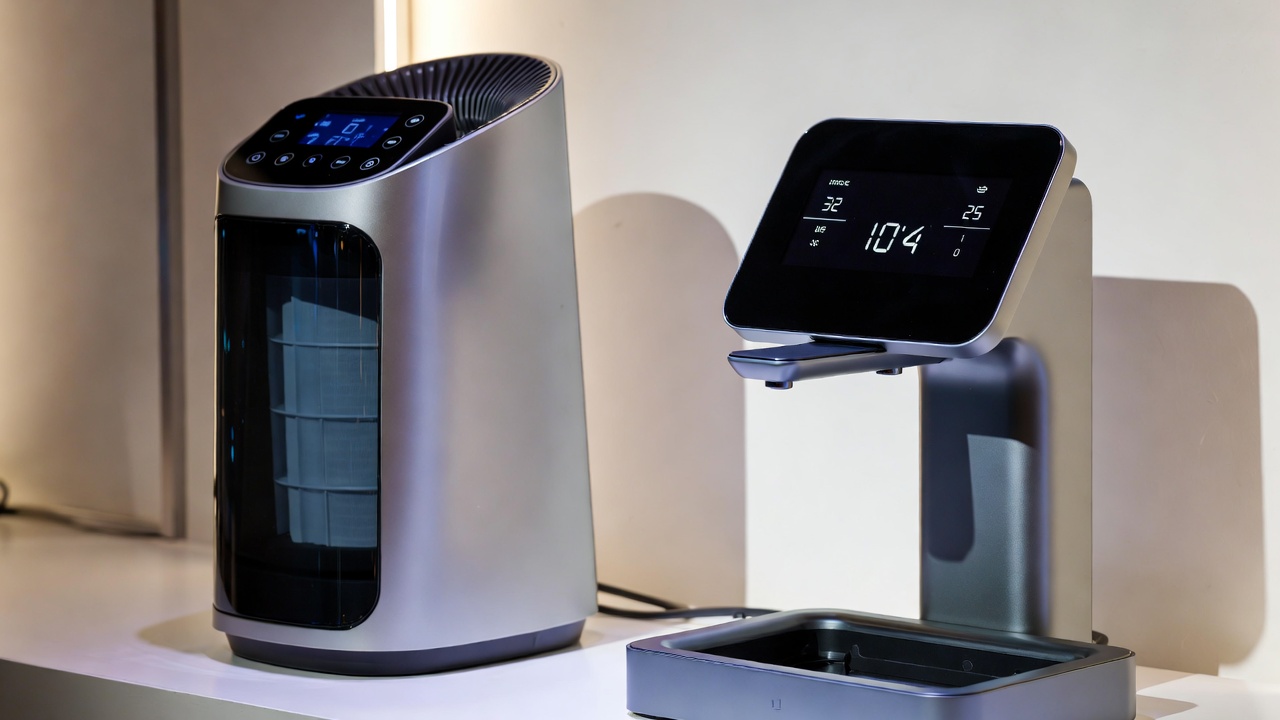
Health and wellness continue to be a major driver, and the **new product launches from CES 2026** for air and water purification have taken a giant leap from simple filtration to holistic environmental control.
The new air purifiers are context-aware. Using a suite of sensors, they don’t just measure PM2.5; they detect elevated CO2 levels (telling you the room needs fresh air), volatile organic compounds (VOCs) from cleaning products, and even allergens like pollen. The smart part? They talk to your other smart home devices. I saw one that could automatically close a smart vent if outdoor air quality was poor, or turn on your voice assistant to announce, “The air quality in the living room is now optimal for exercise.”
On the water front, under-sink filtration systems now come with digital dispenser taps that let you select the exact temperature and volume you want—perfect for filling a baby bottle, brewing green tea, or preheating water for pasta—all while tracking your filter life and water consumption. It’s this level of precise, personalized utility that defines the best of this year’s launches.
Expert Tips for Choosing the Right CES 2026 Tech for Your Home
With so many options, how do you choose? As someone who has tested years of tech, here’s my practical application advice for navigating these **new product launches from CES 2026**.
First, solve an actual problem. Don’t buy a smart garden because it’s cool; buy it because you genuinely want to grow herbs but keep forgetting to water them. Start with one pain point.
Second, plan for privacy. These devices collect data. Before you buy, read the company’s privacy policy. Look for local processing options (where data is analyzed on the device itself, not in the cloud) and clear controls over what is shared. Your home’s data is precious.
Expected results should be realistic. These tools are “force multipliers” that save you time and mental energy, but they aren’t magic. A smart garden system still requires you to plant seeds and harvest. The payoff is in the reduced daily burden and the increased success rate.
Conclusion
The overarching story of the **new product launches from CES 2026** for the home and garden is one of subtle intelligence and practical assistance. The technology is stepping back to play a supportive role, automating tedious tasks, providing insightful data, and helping us manage our homes more efficiently and sustainably.
My encouragement is to view these innovations through the lens of simplification. Identify one area of your home life that feels like a chore or a source of waste, and see if this year’s tech offers a solution. The goal isn’t to create a fully robotic home, but to create a home that gives you more time and peace of mind.
As a final helpful tip, remember that many of these products will be reviewed in-depth in the coming months as they hit the market. Use that time to research and see how they perform in real homes, not just on the show floor. For ongoing updates on the best picks, keep an eye on our tech news section.
🛒 Recommended Products for Your Smart Home
Based on the new product launches from CES 2026 discussed in this article, we’ve curated a selection of top-rated products that deliver exceptional performance and value. These recommendations are carefully chosen to help you implement the solutions that best fit your needs and budget.





- Best Cheap Smartwatch Under $50
 Best Cheap Smartwatch Under $50: 5 Reliable Picks for 2026 By Sanso Uka If you’re hunting for the best cheap smartwatch under… Read more: Best Cheap Smartwatch Under $50
 - Best Dash Cams of 2026
 Best Dash Cams of 2026: Top Picks for Every Driver and Budget By Wanderson Nogueira Martins Choosing the best dash cam in… Read more: Best Dash Cams of 2026
 - How to Transfer Data to New Phone
 How to Transfer Data to a New Phone: A Step-by-Step Guide for 2026 By Sanso Uka Upgrading to a new smartphone is… Read more: How to Transfer Data to New Phone
 - Senior-Friendly Smartphones 2026
 Senior-Friendly Smartphones 2026: Best Overall Picks for Every Budget By Sanso Uka Senior-friendly smartphones in 2026 have come a long way from… Read more: Senior-Friendly Smartphones 2026
 - Best Mechanical Keyboards in 2026
 Best Mechanical Keyboards in 2026 Best Mechanical Keyboards in 2026: Top Picks for Every Budget and Use Case By Sanso Uka Finding… Read more: Best Mechanical Keyboards in 2026
 - Best Monitor for Home Office 2026
 Best Monitor for Home Office 2026: Expert Picks & Buying Guide By Sanso Uka Your monitor is the window to your digital… Read more: Best Monitor for Home Office 2026
 - How to Extend Smartphone Battery Life
 How to Extend Smartphone Battery Life: 12 Practical Tips That Actually Work By Sanso Uka You unplugged your phone at 8 AM,… Read more: How to Extend Smartphone Battery Life
 - Best E-Readers in 2026
 Best E-Readers in 2026: Which One Is Actually Worth Buying? Best E-Readers in 2026: Which One Is Actually Worth Buying? By Sanso… Read more: Best E-Readers in 2026
 - Refurbished vs New Laptop
 Refurbished vs New Laptop: Which Should You Buy in 2026? By Sanso Uka When you’re in the market for a laptop, the… Read more: Refurbished vs New Laptop
 - Best Gaming Headsets Under $100
 Best Gaming Headsets Under $100 in 2026: Top Picks for Every Platform By Sanso Uka Finding the best gaming headset under $100… Read more: Best Gaming Headsets Under $100
 - How Long Do Laptops Last
 How Long Do Laptops Really Last? A Practical Guide to Lifespan By Sanso Uka If you are shopping for a new computer… Read more: How Long Do Laptops Last
 - Best Portable Charger 2026
 Best Portable Charger in 2026: Top Power Banks for Every Budget and Use Case By Wanderson Nogueira Martins Finding the best portable… Read more: Best Portable Charger 2026