
Best Gaming Headsets Under $100 in 2026: Top Picks for Every Platform
By Sanso Uka
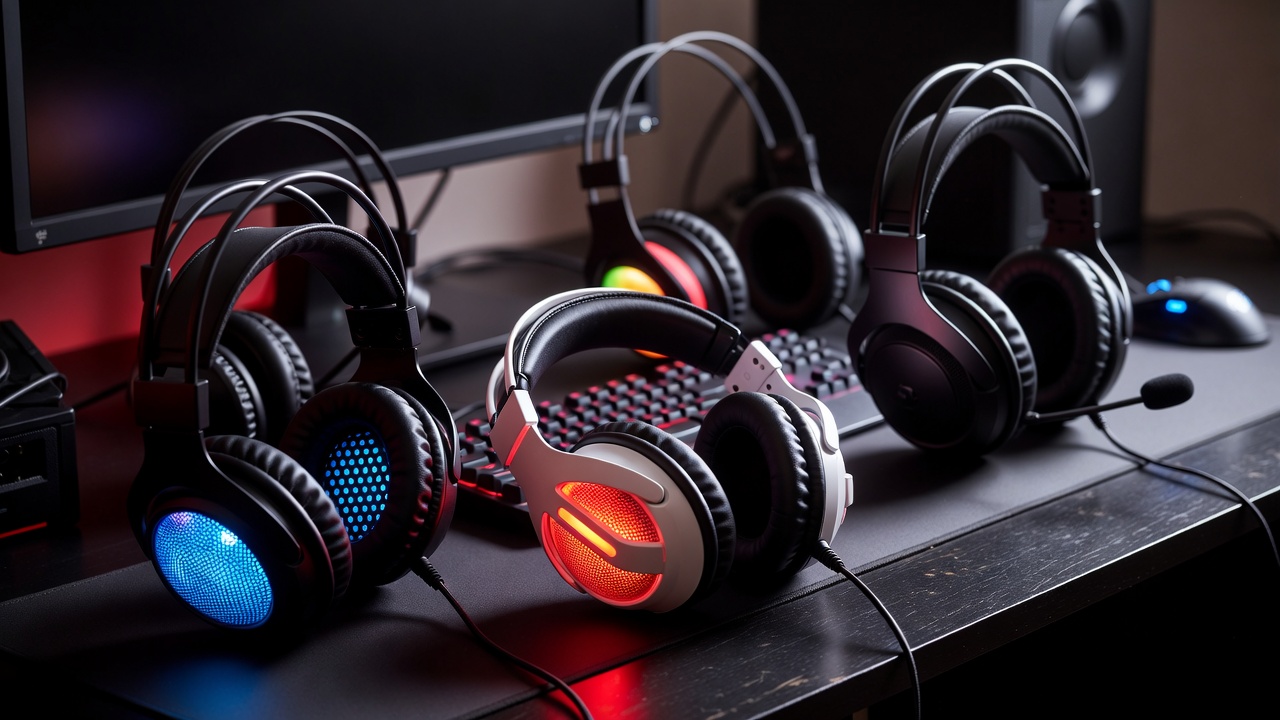
Finding the best gaming headset under $100 used to mean making real sacrifices — tinny audio, a mic that sounded like you were calling from underwater, or ear cups that became unbearable after 90 minutes. That’s no longer true. In 2026, this price bracket has headsets that would have cost $150–$180 just three years ago, including solid wireless options, noise-canceling mics, and genuine surround sound. Whether you’re on PC, PS5, Xbox, or Switch, there’s something in this range worth your money — you just have to know what to look for and where the trade-offs land.
What to Actually Look For at This Price
Before jumping into specific models, it helps to know which features matter and which are mostly marketing at this price point.
Driver size and type: Most solid headsets here use 40mm–53mm neodymium drivers. Bigger isn’t always better — driver tuning matters more. A well-tuned 40mm driver will consistently outperform a poorly tuned 53mm one. Look for “neodymium” in the specs; it’s the standard for quality at this tier.
Wired vs. wireless: Wireless under $100 exists and can be excellent, but you’re making tradeoffs. Expect 20–40 hours of battery life at this range. If you play competitive FPS titles where every millisecond counts, wired connections still have the edge. For casual or single-player gaming, wireless is perfectly fine and more convenient.
The microphone: This is where budget headsets often stumble. Look for flip-to-mute designs or detachable mics — they’re generally better quality than fixed boom mics on cheaper sets. Discord certification is a reliable signal that the mic has been properly tested.
Surround sound: Virtual 7.1 surround is common here, but be aware it’s software-based on most models and only works fully on PC (Windows 10/11). On console, you’re usually getting stereo output. That said, good stereo with wide soundstage can outperform gimmicky virtual surround.
Compatibility: Most wired headsets use a 3.5mm jack, meaning they work on PS5, Xbox Series X/S, Switch, PC, and mobile without adapters. USB headsets are often PC and PlayStation only. Always check before buying if you game on multiple platforms.
Top Picks: Best Gaming Headsets Under $100
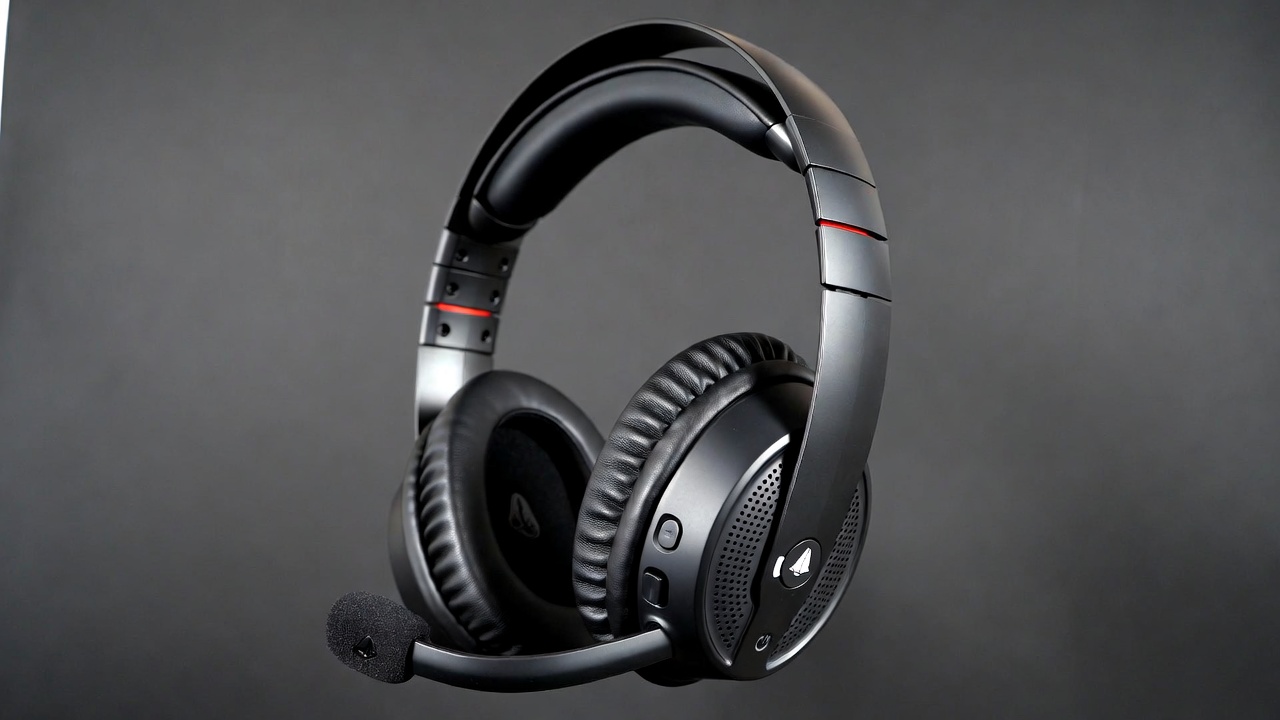
Turtle Beach Stealth 600 Gen 3 — Best Wireless Pick ($99)
If you want wireless without stretching the budget, the Stealth 600 Gen 3 is the standout choice right now. Tested by RTINGS as the top pick in this category, it delivers up to 85 hours of continuous battery life — an almost absurd number for a $99 headset. The 50mm Nanoclear drivers produce a genuinely immersive soundstage, and the AI noise reduction mic handles background noise better than most headsets at twice the price.
The main limitation: it’s platform-specific. The PS4/PS5 version connects via USB dongle and won’t work directly on Xbox without purchasing the Xbox variant. It also doesn’t have a 3.5mm passthrough for wired fallback. If you’re strictly a PlayStation or PC gamer, this is hard to beat. Xbox players should grab the Xbox-specific version (~$99).
Razer BlackShark V2 X — Best Wired Pick ($49–$59)
The BlackShark V2 X regularly lands as one of the best wired budget headsets available, and at $49–$59 it’s punching well above its weight class. The 50mm Tri-Force titanium-coated drivers deliver tight mids and clear highs — footstep audio in competitive games like Valorant or Warzone is noticeably sharp. The cardioid mic is unidirectional with good side rejection, and the supersoft memory foam ear cushions are comfortable for sessions over three hours.
Trade-offs: bass can feel slightly thin compared to headsets tuned for cinematic sound. There’s no virtual surround on console — surround is Windows-only via Razer Surround software (free tier available). The plastic build feels light, which helps with comfort but does compromise long-term durability somewhat.
📌 Don’t forget to save this post — we update it whenever major new headsets hit the sub-$100 category.
HyperX Cloud Alpha — Best All-Rounder ($69)
The Cloud Alpha has been a staple recommendation for years, and for good reason — it still holds up in 2026. The dual-chamber driver design physically separates bass and mid/high frequencies inside each ear cup, which produces noticeably less bleed between bass and treble compared to single-chamber designs. The result is cleaner audio that works well for both gaming and music.
The detachable braided cable and detachable boom mic are both nice touches for longevity. The steel frame feels built to last. Where it falls short: no USB connectivity (3.5mm only), and the mic quality is good but not as clean as newer designs with AI noise cancellation. Still, at $69, the Cloud Alpha remains one of the most consistently recommended headsets in this range for good reason. Check HyperX’s official specs page for the latest firmware and compatibility details.
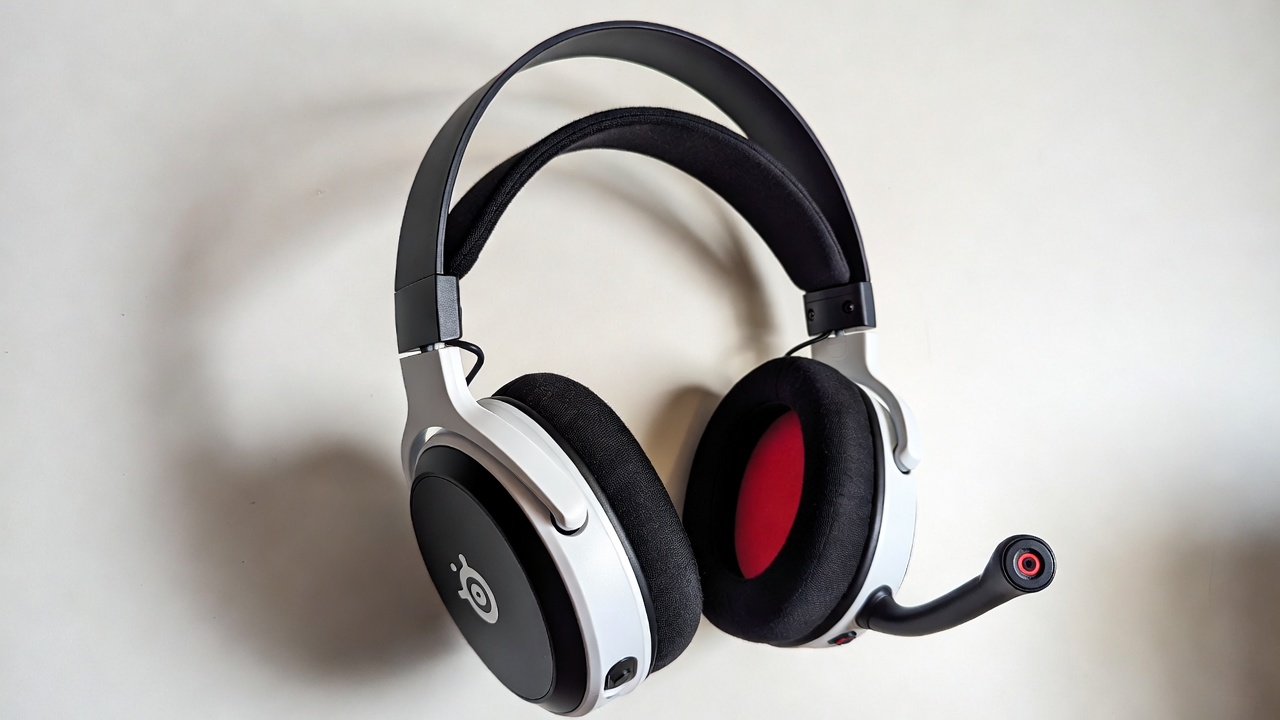
SteelSeries Arctis Nova 1 — Best Comfort-First Pick ($49–$69)
If you game for 4+ hours at a stretch, comfort becomes the feature that matters most — and the Arctis Nova 1 wins here. The flexible ski-band headband distributes weight evenly and creates almost no top-of-head pressure. The ear cups use memory foam with a breathable fabric lining rather than synthetic leather, which significantly reduces heat buildup during long sessions.
Audio is balanced and clear, the noise-canceling mic is ClearCast-certified and Discord-verified, and it connects via 3.5mm for universal compatibility across every platform. The main limitation is that it’s wired-only and doesn’t include virtual surround sound. For a platform-agnostic, long-session headset with quality audio and mic, it’s one of the cleaner choices under $70.
Sony Pulse 3D Wireless — Best for PS5 ($99)
If you’re a PS5-primary player, the Pulse 3D is the most platform-optimized choice. It connects via USB dongle and is fully compatible with Sony’s Tempest 3D Audio engine — the spatial audio tech built into the PS5 itself. Games that support Tempest (including Returnal, Demon’s Souls, and Horizon Forbidden West) sound noticeably more dimensional compared to third-party headsets that can’t access the same pipeline.
The catch: it’s a PS5/PC headset. It won’t work on Xbox, and it’s not ideal for Switch. Battery life sits around 12 hours, which is on the lower end. Build quality feels somewhat plasticky for the $99 price, and the mic is decent but not exceptional. For pure PS5 gaming, though, the Tempest 3D compatibility makes it worth the premium over cheaper alternatives.
💡 Save this guide for later — especially if you’re comparing wireless options, because pricing on these fluctuates by $15–$25 depending on sales.
Wired vs. Wireless: Which Should You Choose?
For competitive gaming — especially fast-paced FPS titles — wired is still technically superior. Zero latency, no battery to manage, and typically better value at the same price point. The Razer BlackShark V2 X at $49 or the HyperX Cloud Alpha at $69 both outperform most wireless headsets under $75 in pure audio quality.
For casual, single-player, or couch gaming, wireless makes sense. The Turtle Beach Stealth 600 Gen 3’s 85-hour battery means you’re charging it once a week at most. The freedom of wireless adds real comfort to longer sessions.
If you’re gaming on multiple platforms regularly — say, PC and PS5 and Switch — a wired 3.5mm headset like the Arctis Nova 1 or the Cloud Alpha is the most flexible choice. Wireless headsets at this price range are almost always locked to one or two platforms via proprietary dongles. For more on managing your multi-device gaming setup, check out our coverage of gaming accessories worth pairing with your headset.
Microphone Quality: What to Expect
This is the category where $100 headsets most visibly separate from $40 ones. The better picks — Arctis Nova 1, Turtle Beach Stealth 600 Gen 3 — use directional cardioid or bidirectional polar-pattern mics that reject background noise passively. The Arctis Nova 1’s ClearCast mic consistently shows up in Discord quality tests as among the cleaner options in this budget.
Avoid headsets with fixed, non-detachable mics at this price point — they’re typically lower quality and have no fallback if the mic fails. Flip-to-mute is worth prioritizing over physical mute buttons if you mute often during gaming.
If streaming or content creation is part of your plan, none of these headset mics will fully replace a dedicated USB microphone. But for in-game comms and Discord, all five picks above are more than adequate.
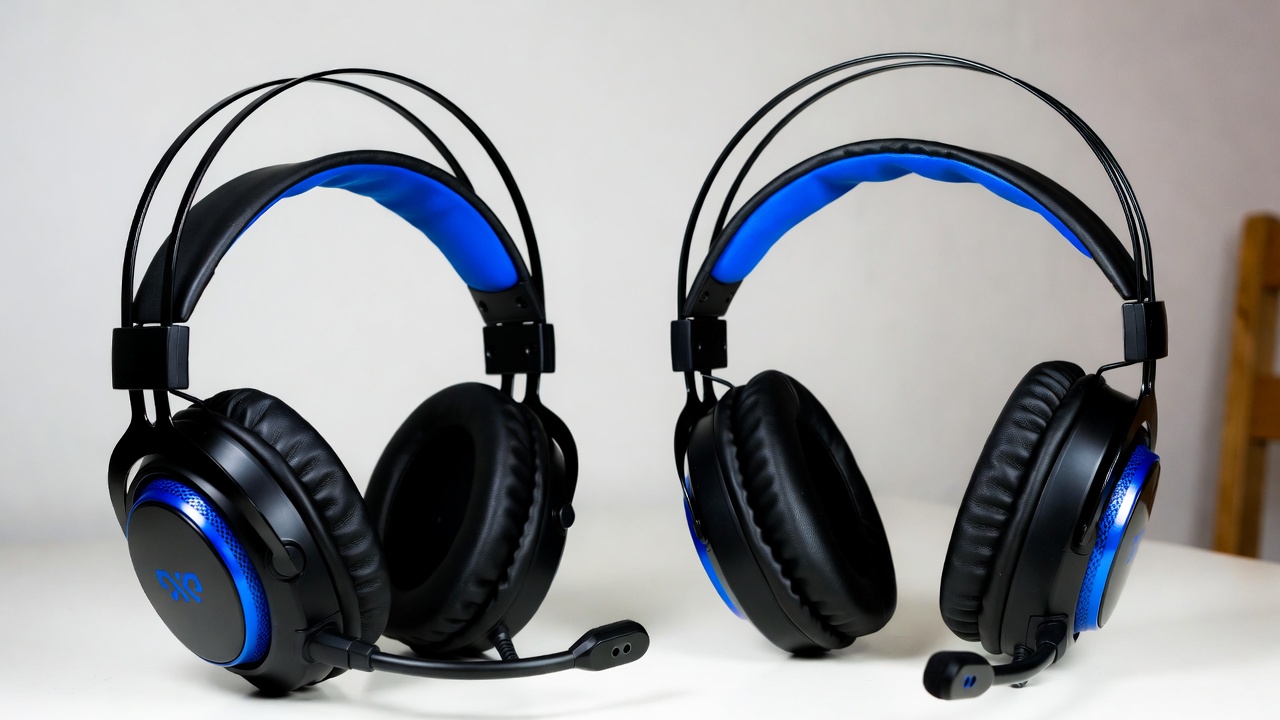
What You’re NOT Getting Under $100
Being clear about limitations helps you make a better decision. At this price, don’t expect:
- Active noise cancellation (ANC): True ANC adds significant cost. None of these headsets have it. Passive isolation (from thick ear cups) is what you’re getting.
- Audiophile-grade tuning: The frequency response on budget headsets often exaggerates bass or highs to sound impressive in a store. Good for gaming, less ideal for critical listening.
- Premium build durability: Most use plastic frames. The HyperX Cloud Alpha’s steel frame is the exception. Expect some flex and creak on cheaper picks.
- Multi-device Bluetooth: Wireless headsets at this range use proprietary 2.4GHz USB dongles, not Bluetooth. They won’t work on mobile without a cable.
If these limitations are dealbreakers, you’re looking at the $120–$160 range — headsets like the SteelSeries Arctis Nova 7 ($150) or the Razer BlackShark V2 Pro ($100–$130 on sale) start addressing most of them. For help budgeting your overall gaming setup, the Sanso Uka Online guide on managing tech costs is worth a look.
Quick Comparison Summary
- Best wireless overall: Turtle Beach Stealth 600 Gen 3 — $99, 85hr battery, platform-specific
- Best wired for competitive play: Razer BlackShark V2 X — $49–$59, 50mm drivers, PC/console
- Best all-around sound: HyperX Cloud Alpha — $69, dual-chamber drivers, universal 3.5mm
- Best for comfort and long sessions: SteelSeries Arctis Nova 1 — $49–$69, ski-band design, universal
- Best for PS5: Sony Pulse 3D Wireless — $99, Tempest 3D Audio, PS5/PC only
Final Verdict
For most gamers, the HyperX Cloud Alpha at $69 hits the best balance of audio quality, build quality, mic performance, and universal platform compatibility. If wireless is your priority and you’re on PS5 or PC, the Turtle Beach Stealth 600 Gen 3 is the strongest value in the category right now. Competitive PC players who want great positional audio without wireless overhead should go for the Razer BlackShark V2 X at $49.
The budget-friendly headset market has genuinely matured. Any of these five picks will serve you well — the best one depends on how you game. Start with your platform and whether you want wireless, and the choice narrows itself quickly. For a deeper look at our favorite gaming accessories across all budgets, visit the full PC and console gaming section.
❤️ Bookmark this post to try these ideas later — especially before major sales events when these headsets often drop $15–$30 in price.
- Best Cheap Smartwatch Under $50
 Best Cheap Smartwatch Under $50: 5 Reliable Picks for 2026 By Sanso Uka If you’re hunting for the best… Read more: Best Cheap Smartwatch Under $50
 - Best Dash Cams of 2026
 Best Dash Cams of 2026: Top Picks for Every Driver and Budget By Wanderson Nogueira Martins Choosing the best… Read more: Best Dash Cams of 2026
 - How to Transfer Data to New Phone
 How to Transfer Data to a New Phone: A Step-by-Step Guide for 2026 By Sanso Uka Upgrading to a… Read more: How to Transfer Data to New Phone
 - Senior-Friendly Smartphones 2026
 Senior-Friendly Smartphones 2026: Best Overall Picks for Every Budget By Sanso Uka Senior-friendly smartphones in 2026 have come a… Read more: Senior-Friendly Smartphones 2026
 - Best Mechanical Keyboards in 2026
 Best Mechanical Keyboards in 2026 Best Mechanical Keyboards in 2026: Top Picks for Every Budget and Use Case By… Read more: Best Mechanical Keyboards in 2026
 - Best Monitor for Home Office 2026
 Best Monitor for Home Office 2026: Expert Picks & Buying Guide By Sanso Uka Your monitor is the window… Read more: Best Monitor for Home Office 2026
 - How to Extend Smartphone Battery Life
 How to Extend Smartphone Battery Life: 12 Practical Tips That Actually Work By Sanso Uka You unplugged your phone… Read more: How to Extend Smartphone Battery Life
 - Best E-Readers in 2026
 Best E-Readers in 2026: Which One Is Actually Worth Buying? Best E-Readers in 2026: Which One Is Actually Worth… Read more: Best E-Readers in 2026
 - Refurbished vs New Laptop
 Refurbished vs New Laptop: Which Should You Buy in 2026? By Sanso Uka When you’re in the market for… Read more: Refurbished vs New Laptop
 - Best Gaming Headsets Under $100
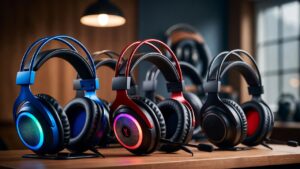 Best Gaming Headsets Under $100 in 2026: Top Picks for Every Platform By Sanso Uka Finding the best gaming… Read more: Best Gaming Headsets Under $100
 - How Long Do Laptops Last
 How Long Do Laptops Really Last? A Practical Guide to Lifespan By Sanso Uka If you are shopping for… Read more: How Long Do Laptops Last
 - Best Portable Charger 2026
 Best Portable Charger in 2026: Top Power Banks for Every Budget and Use Case By Wanderson Nogueira Martins Finding… Read more: Best Portable Charger 2026