
Alexa vs Google Home vs Siri 2026: Which Smart Speaker Ecosystem Actually Wins?
By Sanso Uka

It is 2026, and the battle for the smartest home has reached a fever pitch. Amazon’s Alexa, Google Home (now deeply integrated with Gemini), and Apple’s Siri (with its long-awaited generative AI overhaul) have never been more capable—or more different. If you are trying to decide which ecosystem to commit to, you have probably asked yourself: which one actually understands me, controls my stuff reliably, and keeps getting better? This Alexa vs Google Home vs Siri 2026 guide cuts through the marketing to help you spend your money where it counts.
The 2026 State of Voice Assistants
Gone are the days when a smart speaker was just a weather-checking timer. In 2026, each assistant has evolved along a distinct path, shaped by its parent company’s strengths and, frankly, its stubborn weaknesses. Alexa leans into ubiquity and shopping, Google into search and reasoning, and Siri into privacy and device integration. But the real story this year is how generative AI has—or hasn’t—transformed the experience.
Amazon Alexa: The Jack-of-All-Trades (With a Shopping Habit)
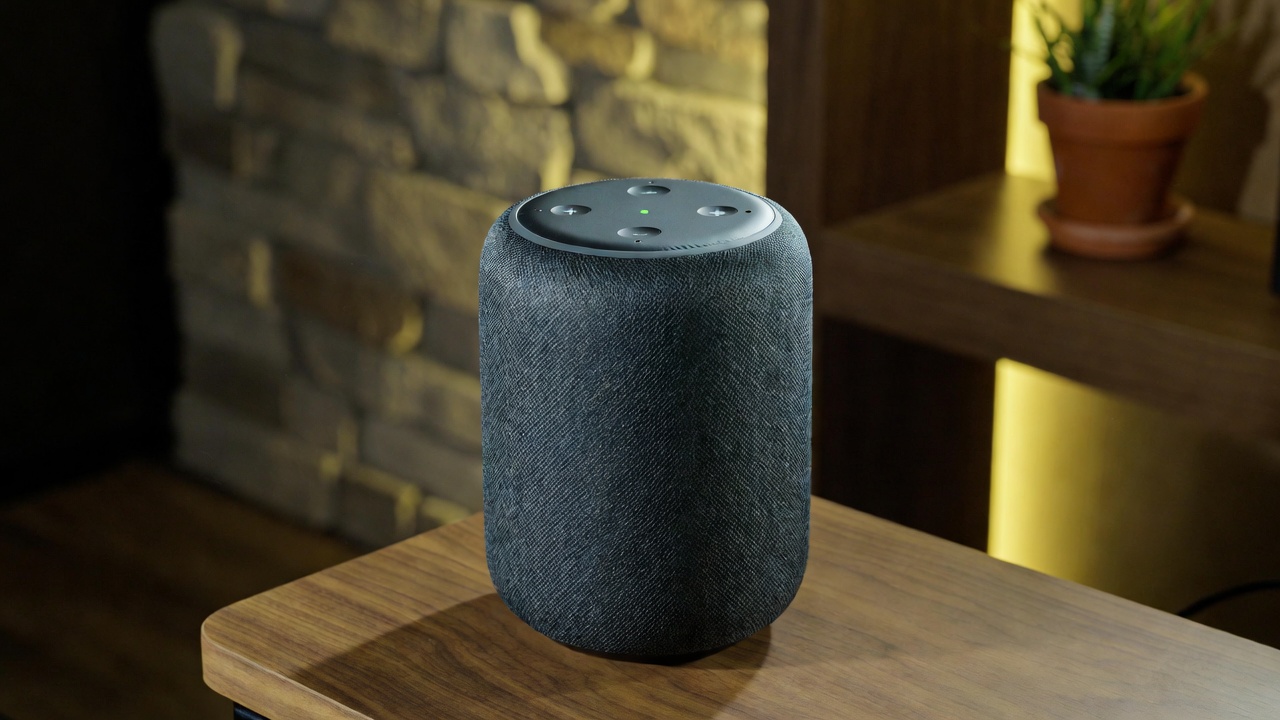
Alexa remains the most widely compatible assistant. You can find it in everything from smart lighting to refrigerators. In 2026, Amazon has finally given Alexa a significant LLM upgrade, making conversations feel less like staccato commands and more like natural dialogue.
What it does well:
- Smart home compatibility: Works with over 140,000 devices. If it plugs in, Alexa probably supports it.
- Routines and automation: The Alexa app offers the deepest customization for complex routines (“When I leave, lock the door, turn off the lights, and vacuum the living room”).
- Shopping integration: Re-ordering Prime items is seamless. If you are an Amazon household, this is convenient (and dangerous for your wallet).
- Echo hardware: The latest Echo Studio offers impressive 3D audio and better far-field microphones for under $220.
The trade-offs:
- Conversational AI is catching up, not leading: While improved, Alexa’s generative answers still lag behind Google’s depth and accuracy.
- Privacy concerns persist: Amazon uses your interactions to improve its models and target ads. If that creeps you out, look elsewhere.
- It wants to sell you things: Alexa is still an e-commerce Trojan horse. Casual questions often lead to product suggestions.
Best for: People who want the widest device selection and are already deep in the Amazon ecosystem.
Google Home (Gemini): The Brainiac That Finally Listens

Google rebranded its assistant simply as “Gemini” on home devices in late 2025, and it shows. This is the assistant you want for answering complex, multi-part questions. It understands context better than anyone.
What it does well:
- Natural language understanding: You can ask rambling, follow-up questions without repeating yourself. It feels like talking to a knowledgeable person.
- Integration with Google services: If you live in Gmail, Calendar, and Photos, Gemini is indispensable. “When is my next flight?” actually works.
- Smart displays: The Nest Hub Max remains the best smart display for the kitchen, with excellent gesture control and the Soli sleep sensing features.
- YouTube and media control: Casting and controlling video playback is flawless.
The trade-offs:
- Device support is narrower: While good, it doesn’t have the sheer breadth of Alexa-compatible gadgets. You might need to check compatibility before buying cheap smart plugs.
- Google’s product graveyard reputation: Some users worry about long-term commitment, though the Nest line seems safe for now.
- Privacy trade-offs: Like Amazon, Google uses data to personalize ads. It’s the price of admission.
Best for: Information seekers, heavy Google Workspace users, and families who want the best screen-based assistant.
Apple Siri (HomePod): The Privacy-Focused Wallflower
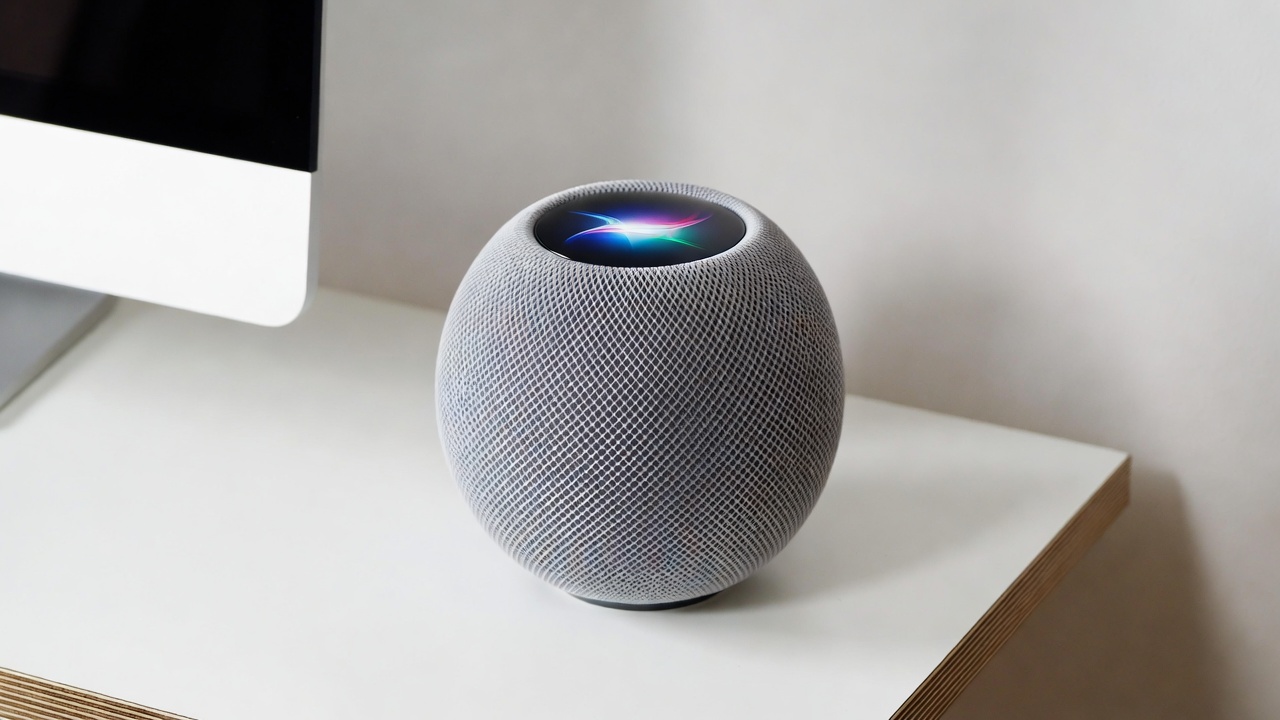
Apple finally gave Siri the generative AI upgrade it desperately needed in iOS 19. Siri can now handle on-device summarization, more complex commands, and finally understands context better. But it’s still the most restricted ecosystem.
What it does well:
- Privacy by design: Most processing happens on your iPhone or HomePod. Apple isn’t selling your voice data to advertisers. This is the main differentiator in 2026.
- Apple ecosystem synergy: If you have an iPhone, Mac, and AirPods, Siri is the glue. Handoff is seamless, and finding your devices with “Hey Siri” is instant.
- Music quality: The HomePod 2 (and the rumored 2026 model) offers exceptional audio quality for its size, especially with Apple Music.
- Matter support: Apple fully embraces the Matter standard, so it works with most modern smart home devices, just with a bit more setup.
The trade-offs:
- Still the least compatible: Many niche smart home brands launch Alexa support first, then Google, and maybe—maybe—Apple HomeKit later.
- Price: HomePods are expensive compared to Echo Dots and Nest Minis. You are paying a premium for the ecosystem and privacy.
- Siri is still catching up: Even with the generative AI update, it feels like Apple is a year behind Google in raw conversational ability.
Best for: Committed Apple users who prioritize privacy and audio quality over sheer device compatibility.
Head-to-Head: Key Differences in 2026
To make this Alexa vs Google Home vs Siri 2026 comparison crystal clear, here is how they stack up on the features that matter most.
- Smart Home Compatibility: Alexa (Winner) > Google > Siri
- Conversational AI & Search: Google (Winner) > Alexa > Siri
- Privacy & Security: Siri (Winner) > Alexa/Google (tie at the bottom)
- Ecosystem Integration: Siri (for Apple users) / Google (for Android users) – Alexa (generalist winner for 3rd party apps)
- Affordability: Alexa (Winner) > Google > Siri
- Audio Quality (for the price): Google (Nest Audio) and Alexa (Echo) tie; Siri wins only if you pay top dollar for HomePod.
So, Which One Should You Buy in 2026?
Here is the straight answer, no fluff:
- Choose Amazon Alexa if: You are building a smart home on a budget, want the widest selection of gadgets (including random $15 smart plugs), or you are a heavy Amazon shopper. It is the safe, flexible choice. Check our home automation guides to see what works best.
- Choose Google Home (Gemini) if: You live in Google’s apps, need answers to complex questions, or want the best smart display experience. It is the smartest assistant in the room.
- Choose Apple Siri (HomePod) if: You are all-in on Apple and privacy is your #1 concern. You are willing to pay more and wait for device compatibility in exchange for a clean, secure, and high-audio-quality experience.
Honestly? For most people, the choice comes down to your phone. Android users will be happiest with Google. iPhone users will find Siri frustrating if they try to use it for everything—but for basics and privacy, it’s solid. Alexa remains the great unifier, working well enough for everyone.
📌 Don’t forget to save this post — you will want to refer back to it when you start buying your next wave of smart bulbs or speakers. The ecosystem you pick now will dictate your options for years.
Final Verdict: The Winner Is…
There is no single winner because the “best” assistant depends entirely on your priorities. But if we had to recommend one for the average reader of Sanso Uka Tech in 2026, it would be Google Home (Gemini) by a hair. Its superior natural language processing and deep integration with Google’s knowledge graph make the everyday experience feel like actual assistance, not just command execution. It’s the only one that sometimes surprises you with how well it understands.
However, if you are just starting your smart home journey and want maximum flexibility, you will never go wrong with an Echo Dot—it’s cheap, cheerful, and works with almost everything. Just be aware of the privacy trade-offs. Whatever you choose, make sure it aligns with where you already spend your digital life. 💡 Save this guide for later when you are ready to expand your setup.
- What Is Generative AI

- Future of Artificial Intelligence 2026
 Future of Artificial Intelligence 2026: From Chatbots to Personal Agents By Sanso Uka If 2025 was the year… Read more: Future of Artificial Intelligence 2026
 - Best AI Tools 2026
 Best AI Tools 2026: ChatGPT, Claude, Gemini & More Compared Updated · March 2026 Best AI Tools 2026:The… Read more: Best AI Tools 2026
 - How to Set Up Smart Lighting at Home
 How to Set Up Smart Lighting at Home: Complete Beginner’s Guide (2026) How to Set Up Smart Lighting… Read more: How to Set Up Smart Lighting at Home
 - IoT Devices for Beginners
 Best IoT Devices for Beginners in 2026: Where to Start Best IoT Devices for Beginners in 2026: Where… Read more: IoT Devices for Beginners
 - Best Smart Smoke Detector 2026
 Best Smart Smoke Detector 2026: Which One Actually Protects Your Home? By Sanso Uka Let’s be honest—most of… Read more: Best Smart Smoke Detector 2026
 - How to Control Your Smart Home with Your Phone
 How to Control Your Smart Home with Your Phone: A Practical Setup Guide By Sanso Uka Learning how… Read more: How to Control Your Smart Home with Your Phone
 - Best Smart Lock 2026
 Best Smart Lock 2026: Which One Actually Keeps Your Home Secure? By Sanso Uka A smart lock is… Read more: Best Smart Lock 2026
 - Smart Home Privacy Risks
 Smart Home Privacy Risks: What Your Devices Are Actually Collecting and How to Stop It By Sanso Uka… Read more: Smart Home Privacy Risks
 - Best Robot Vacuum 2026
 Best Robot Vacuum 2026: Which One Should You Actually Buy? By Sanso Uka Robot vacuums have officially reached… Read more: Best Robot Vacuum 2026
 - Google Home vs Amazon Echo 2026
 Google Home vs Amazon Echo 2026: Which Should You Buy? Google Home vs Amazon Echo 2026: Which Should… Read more: Google Home vs Amazon Echo 2026
 - Smart Home Worth It in 2026
 Is a Smart Home Worth It in 2026? Honest Pros, Cons & Real Costs Is a Smart Home… Read more: Smart Home Worth It in 2026