
Alexa vs Google Home vs Apple HomeKit: Complete 2026 Guide
Choosing between Alexa vs Google Home vs Apple HomeKit can feel overwhelming when you’re ready to build a smart home but aren’t sure which ecosystem will best serve your needs. Each platform offers unique advantages, different device compatibility, and distinct approaches to privacy and automation that significantly impact your daily experience with smart home technology.
I’ve been testing smart home platforms since 2018, starting with a single Amazon Echo Dot and gradually expanding into a multi-ecosystem household that now includes devices from all three platforms. This hands-on experience taught me that choosing the right smart home system isn’t about finding the “best” option—it’s about matching platform strengths to your specific requirements, existing devices, and long-term goals.
This comprehensive comparison breaks down the real-world differences between these three dominant smart home ecosystems, examining everything from device compatibility and voice assistant capabilities to privacy considerations and automation features. By the end, you’ll have the clarity needed to make an informed decision that you won’t regret six months down the road.
Platform Overview: Understanding Each Ecosystem
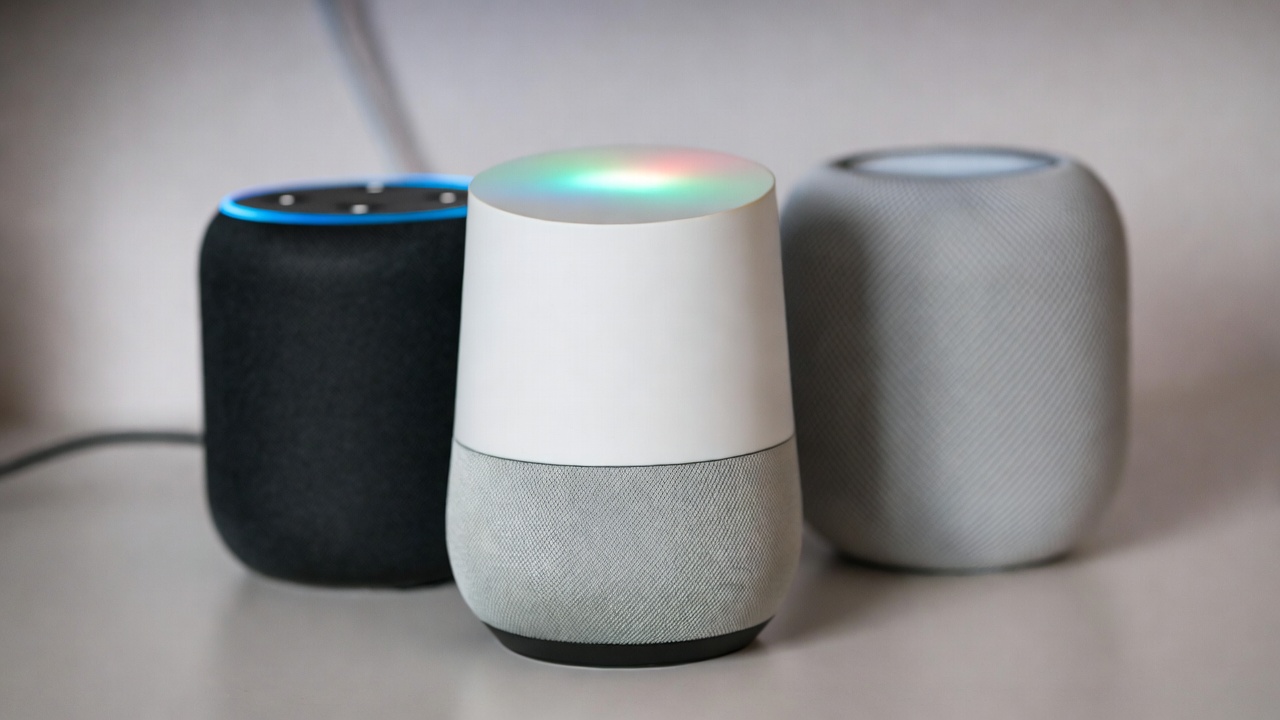
Before diving into detailed comparisons of Alexa vs Google Home vs Apple HomeKit, understanding each platform’s fundamental philosophy helps frame their respective strengths and limitations. These aren’t just different brands—they represent fundamentally different approaches to smart home control and integration.
Amazon Alexa pioneered mainstream voice-controlled smart homes and maintains the largest ecosystem of compatible devices. With over 100,000 compatible products and extensive third-party Skills, Alexa offers unmatched flexibility and device support. The platform excels in voice shopping, entertainment integration, and providing affordable entry points through Echo devices ranging from $20-$300.
Google Home (now Google Nest) leverages Google’s search and AI capabilities to deliver the most conversational and contextually aware voice assistant. Google Assistant understands follow-up questions, maintains conversation context, and integrates seamlessly with Google services like Calendar, Maps, and YouTube. The ecosystem focuses on intelligence and natural interaction rather than sheer device quantity.
Apple HomeKit prioritizes privacy, security, and seamless integration within the Apple ecosystem. Unlike competitors, HomeKit doesn’t send your commands to cloud servers for processing—everything happens locally on your devices when possible. The tradeoff is a smaller selection of compatible devices and higher average prices, but the tight integration with iPhone, iPad, and Mac creates uniquely smooth experiences for Apple users.
Voice Assistant Capabilities and Intelligence
The voice assistant serves as your primary interface with smart home technology, making its capabilities central to your daily experience. When comparing Alexa vs Google Home vs Apple HomeKit, assistant intelligence and natural language processing reveal significant practical differences.
Google Assistant consistently demonstrates superior conversational abilities and contextual understanding. It handles follow-up questions naturally without requiring you to repeat context. Ask “What’s the weather?” followed by “How about tomorrow?” and Google understands you’re still discussing weather. It also provides more detailed, nuanced answers to factual questions by leveraging Google’s search engine.
Amazon Alexa offers the most extensive third-party integrations through Skills, enabling specialized functionality from thousands of developers. While its conversational abilities lag behind Google’s, Alexa excels in task-specific operations like ordering products, controlling smart home devices, and managing shopping lists. Recent updates have improved natural language handling, though it still occasionally struggles with complex, multi-part requests.
Apple’s Siri, powering HomeKit voice control, has improved substantially but remains the least capable for general queries and conversation. However, for Apple users, Siri’s deep integration with iOS, macOS, and watchOS creates convenient cross-device experiences. You can start a timer on your iPhone and have it announce on HomePod, or control HomeKit devices from your Apple Watch—conveniences unavailable in competing ecosystems.
- Natural Conversation: Google Assistant leads with contextual understanding and follow-up questions, making interactions feel more natural. Alexa has improved but still requires more explicit commands, while Siri works best with straightforward, specific requests.
- Smart Home Control: All three handle basic device control well, but Alexa supports the most devices natively. Google offers excellent routine capabilities, while HomeKit provides the most secure local control options.
- Information Queries: Google dominates factual questions and search-related tasks. Alexa provides adequate answers but sometimes defaults to web search suggestions. Siri performs well for Apple service integration but struggles with complex queries.
- Entertainment Integration: Alexa integrates best with Amazon services and third-party music platforms. Google excels with YouTube and Chromecast. Apple provides superior integration with Apple Music, Apple TV, and AirPlay devices.
Your choice here depends on what you value most—conversational intelligence points toward Google, device compatibility favors Alexa, and Apple ecosystem integration makes Siri compelling despite its limitations. For comprehensive voice assistant comparisons and setup guides, our detailed resources help you maximize whichever platform you choose.
Device Compatibility and Ecosystem Size
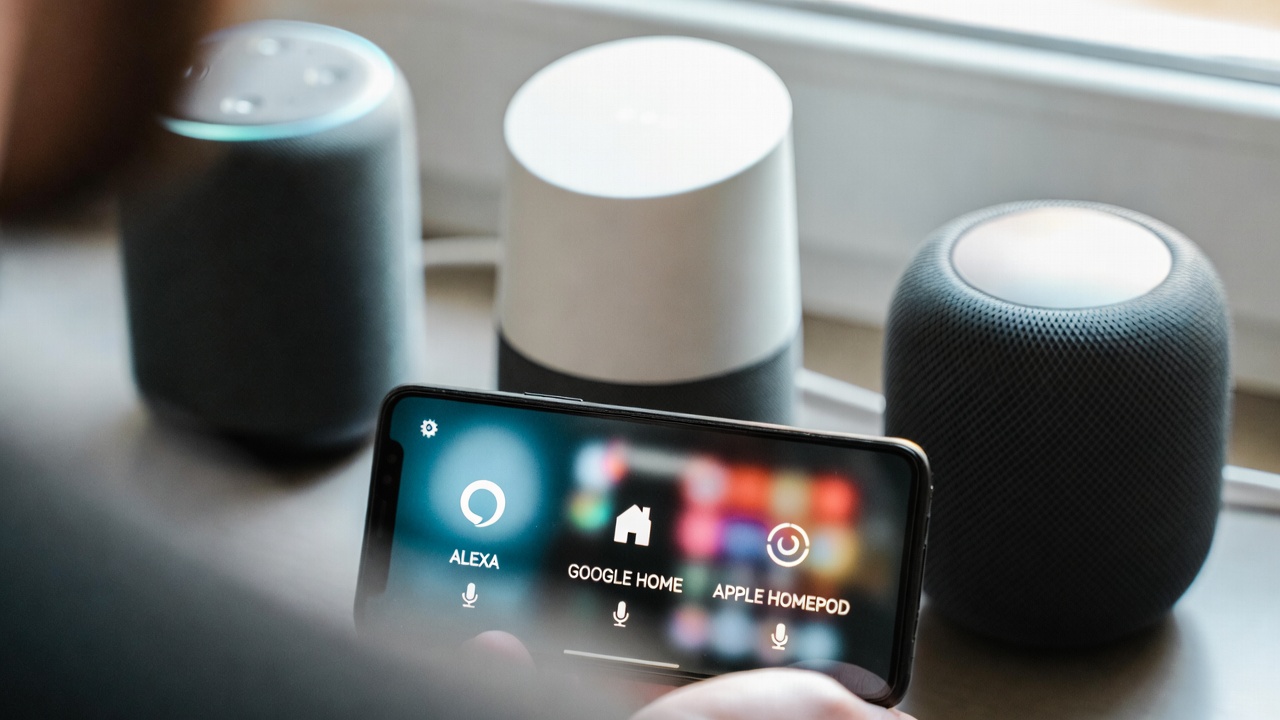
The number and variety of compatible smart home devices directly impacts what you can accomplish with your chosen platform. This factor often proves decisive when comparing Alexa vs Google Home vs Apple HomeKit, as incompatible devices force you into workarounds or ecosystem switching down the road.
Amazon Alexa boasts the largest compatible device catalog by significant margin, with over 100,000 certified products spanning every smart home category. From budget-friendly smart bulbs to professional-grade security systems, if a smart device exists, it likely works with Alexa. This extensive compatibility provides maximum flexibility and ensures you’ll find options at every price point.
Google Home supports a substantial device ecosystem, though smaller than Alexa’s. Most major smart home brands offer Google compatibility, and the platform has closed the gap considerably in recent years. Where Google particularly shines is in automatic device discovery—Google Assistant often finds and configures compatible devices faster and more reliably than competitors.
Apple HomeKit maintains the smallest ecosystem, requiring manufacturers to meet strict security and privacy standards for certification. This results in fewer total options and generally higher prices, but devices that do achieve HomeKit compatibility tend to be higher quality and more reliable. The gap has narrowed as major brands increasingly add HomeKit support, though budget options remain limited.
Multi-platform compatibility has become common among premium devices. Many manufacturers now build products that work with all three ecosystems, letting you choose based on other factors rather than device availability. Brands like Philips Hue, Ecobee, August, and Nanoleaf support all three platforms, though features sometimes vary between ecosystems.
Consider your specific device needs before committing. If you want maximum choice and budget flexibility, Alexa’s vast ecosystem provides clear advantages. Google offers sufficient compatibility for most users with better intelligence. HomeKit works well if you prioritize Apple integration and don’t mind paying premium prices for limited but high-quality options. Explore more smart home device options and compatibility guides in our smart home technology section.
Privacy and Security Considerations
Smart home platforms constantly listen for wake words, raising legitimate privacy concerns that deserve careful consideration when choosing between Alexa vs Google Home vs Apple HomeKit. Each platform takes different approaches to data collection, storage, and usage, with significant implications for your privacy.
Apple HomeKit leads decisively in privacy protection, processing most commands locally on your devices rather than sending data to cloud servers. HomeKit uses end-to-end encryption for device communication, and Apple’s business model doesn’t depend on collecting user data for advertising. When remote access is needed, communications route through your iCloud account with robust encryption, and Apple cannot access your smart home data.
Amazon Alexa stores voice recordings in the cloud by default, though you can delete them manually or enable automatic deletion. Alexa’s privacy settings allow you to review what data is collected, disable voice recording storage, and opt out of human review of recordings. However, Amazon’s business model includes using data to improve services and personalize shopping recommendations, creating potential privacy trade-offs.
Google Home also stores voice recordings and uses them to improve services, personalize experiences, and potentially inform advertising. Google provides privacy controls to review and delete recordings, disable storage, and limit data retention. The company has strengthened privacy protections in recent years, but its advertising-dependent business model means data collection remains central to the platform’s operation.
Practical privacy protection requires active management regardless of platform. All three systems offer voice recording review and deletion, microphone muting via physical buttons, and settings to limit data collection. HomeKit provides the strongest default privacy, but Google and Alexa can be configured for better privacy at the cost of some functionality and convenience.

Automation and Routine Capabilities
Smart home automation transforms disconnected devices into coordinated systems that respond to your needs automatically. The automation capabilities available when comparing Alexa vs Google Home vs Apple HomeKit vary significantly, impacting how sophisticated and reliable your automated routines can become.
Amazon Alexa Routines offer extensive customization, supporting time-based triggers, device state triggers, and voice commands to launch complex sequences. You can create routines that adjust multiple devices, wait for specific conditions, and even include announcements or music. The interface is user-friendly, though complex automations sometimes require trial-and-error to perfect. Alexa supports third-party integration through Skills, expanding automation possibilities considerably.
Google Home Routines excel in natural language triggers and household member recognition. Google can tailor automations based on who is speaking, adjusting responses and actions accordingly. The platform also offers excellent location-based triggers using your phone’s GPS, automatically executing routines when you arrive or leave home. Google’s automation interface is intuitive, though it offers fewer advanced options than Alexa for truly complex sequences.
Apple HomeKit Automations leverage the power of local processing for faster, more reliable execution. HomeKit supports rich automation triggers including time, location, sensor states, and arriving/leaving home. The platform shines with “scenes” that group device states together for one-tap control. HomeKit automations execute even without internet connectivity since processing happens locally, providing reliability advantages during network outages.
Advanced users can extend HomeKit with Home Assistant or HomeBridge for nearly unlimited automation possibilities, though this requires technical knowledge and additional hardware. Alexa’s extensive Skills ecosystem and Google’s IFTTT integration provide simpler paths to advanced automation without coding skills. For detailed automation tutorials and advanced setups, check our comprehensive home automation guides.
Integration with Existing Technology
Your current devices and preferred services significantly influence which smart home platform integrates most seamlessly into your life. When evaluating Alexa vs Google Home vs Apple HomeKit, considering your existing technology ecosystem often reveals clear frontrunners.
Apple users gain substantial benefits from HomeKit’s tight integration with iOS, iPadOS, macOS, and watchOS. Control your entire home from Control Center on your iPhone, use Apple Watch for quick device controls, ask Siri on Mac to adjust lighting, and leverage Apple TV or HomePod as home hubs for remote access and automation. This integration creates uniquely convenient experiences unavailable on other platforms.
Android users find Google Home’s integration most natural, with Google Assistant built into Android phones and seamless connection to Google services. Google Home devices serve as Chromecast speakers, Google Calendar integration enables time-aware automations, and YouTube Music subscribers get excellent entertainment integration. The ecosystem feels cohesive for those already invested in Google services.
Amazon Alexa offers platform-agnostic compatibility, working equally well with iOS and Android devices. This neutrality makes Alexa attractive for mixed-device households or those who prefer not being locked into a single ecosystem. Alexa’s extensive third-party integrations mean it connects with virtually every major service, from Spotify to IFTTT to smart home platforms like SmartThings.
Entertainment system integration varies substantially. Alexa integrates best with Amazon Prime Video and Fire TV devices, Google excels with YouTube and Chromecast, and HomeKit provides superior Apple TV and AirPlay 2 support. Consider which services you actually use—having excellent integration with services you don’t subscribe to provides little value. Our wearables and connected device guides explore additional integration opportunities across platforms.
Cost Comparison and Value Analysis
Building a smart home represents significant financial investment, making cost considerations crucial when comparing Alexa vs Google Home vs Apple HomeKit. The platforms differ substantially in entry costs, ongoing expenses, and overall value proposition depending on your requirements and scale.
Entry-level costs vary dramatically. You can start with Alexa for under $30 with basic Echo Dot devices, while Google Nest Mini offers similar entry around $30-50. Apple’s cheapest entry point, HomePod mini at $99, costs significantly more. However, these price differences reflect different philosophies—Amazon and Google subsidize hardware to build ecosystems, while Apple prices hardware at premium levels reflecting its business model.
Smart device compatibility impacts total system costs substantially. HomeKit-certified devices typically cost 20-50% more than equivalent non-certified alternatives. A HomeKit smart light switch runs $40-60 versus $15-25 for basic Alexa or Google compatible switches. This premium adds up quickly across multiple rooms and device categories, potentially costing hundreds or thousands more for comparable functionality.
Ongoing subscription costs deserve consideration for advanced features. Amazon offers optional services like Amazon Music Unlimited or Audible. Google provides free integration with most services but premium experiences require subscriptions like YouTube Premium. Apple’s ecosystem functions fully without subscriptions, though services like iCloud+ ($0.99-$9.99 monthly) enhance functionality and Apple Music improves HomePod experience.
Long-term value calculations should factor in device longevity, update support, and ecosystem lock-in costs. Apple supports devices longer with software updates, potentially extending useful lifespan. Google and Amazon devices receive updates but may become obsolete faster. Switching ecosystems later incurs substantial costs replacing incompatible devices, so choosing wisely initially saves money long-term. For budget-friendly smart home building strategies, our smart lighting and security guides provide cost-effective recommendations.
Real-World Performance and Reliability
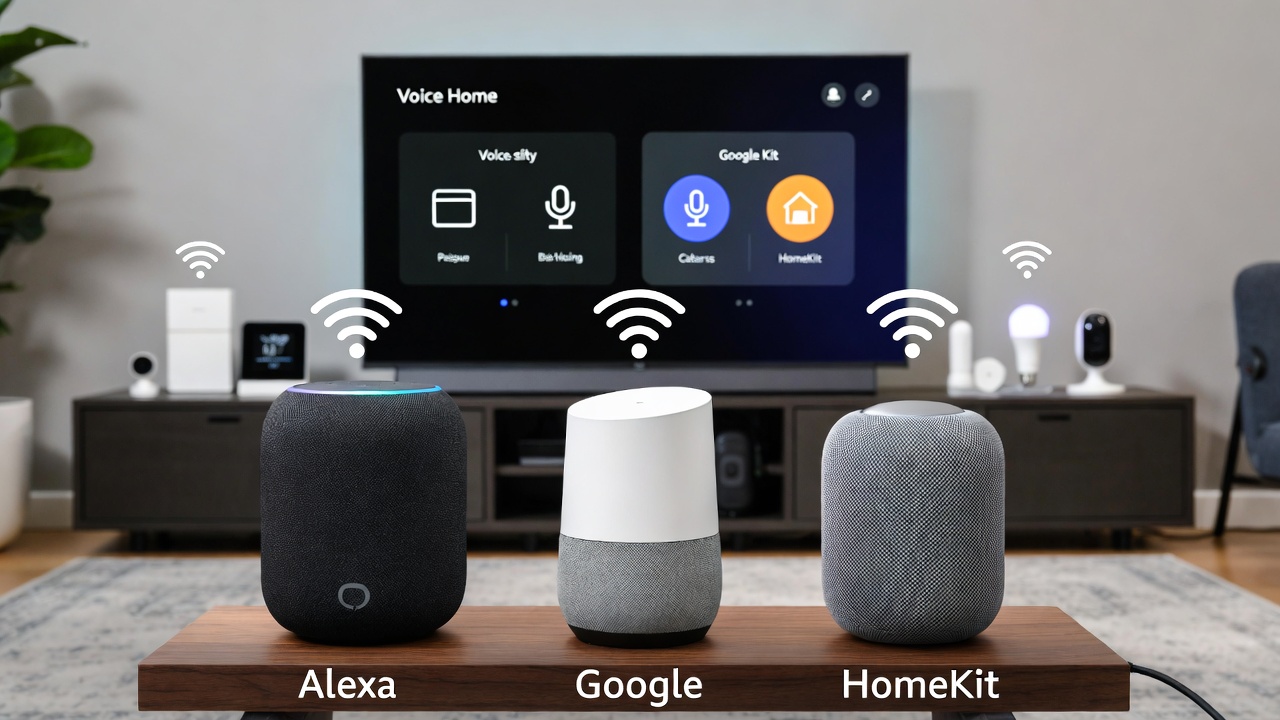
Technical specifications matter less than real-world reliability and daily performance. Through years of experience testing Alexa vs Google Home vs Apple HomeKit across various scenarios, certain performance patterns emerge that significantly impact user satisfaction.
Response time varies between platforms and depends heavily on internet connectivity quality. Google Assistant typically responds fastest to voice commands, processing requests in 1-2 seconds under good conditions. Alexa follows closely at 2-3 seconds, while Siri on HomePod occasionally takes 3-4 seconds. However, HomeKit’s local processing means smart device controls often execute faster than cloud-dependent alternatives once the command is understood.
Reliability during internet outages reveals crucial differences. HomeKit devices continue functioning locally even when internet fails, maintaining automations and allowing control via iPhone/iPad on the same network. Alexa and Google Home devices lose most functionality without internet, unable to process voice commands or execute automations. This local processing advantage makes HomeKit more resilient for critical functions like security systems and door locks.
Voice recognition accuracy matters tremendously for frustration-free operation. Google Assistant leads in understanding accents, handling background noise, and correctly interpreting complex requests. Alexa performs well but occasionally misunderstands similar-sounding device names, especially in noisy environments. Siri has improved substantially but still trails competitors in noisy conditions and with non-native English speakers.
Update frequency and feature additions vary significantly. Google and Amazon push updates regularly, adding features and improving performance continuously. Apple takes a more measured approach, bundling major HomeKit improvements into iOS updates rather than constant iterations. All three platforms have matured substantially, with major bugs now rare, though occasional quirks require troubleshooting. For the latest platform updates and new features, visit our technology news section for current developments.
Which Platform Is Right for You?
Choosing between Alexa vs Google Home vs Apple HomeKit ultimately depends on your specific priorities, existing technology, and budget constraints. No platform dominates every category, making thoughtful evaluation of your unique needs essential for long-term satisfaction.
Choose Amazon Alexa if you want maximum device compatibility, budget-friendly entry costs, and extensive third-party integrations. Alexa works best for households with mixed mobile devices, users who value shopping integration, and those building large, diverse smart home systems where finding compatible devices easily matters more than having the smartest assistant.
Choose Google Home if you prioritize voice assistant intelligence, natural conversation, and integration with Google services. Google excels for Android users, households that rely on Google Calendar and YouTube, and users who prefer conversational interaction over explicit commands. The platform offers excellent balance between device compatibility and assistant capability.
Choose Apple HomeKit if you’re invested in Apple’s ecosystem, prioritize privacy and local processing, and prefer quality over quantity. HomeKit makes sense for iPhone/iPad/Mac households willing to pay premium prices for seamless integration, superior privacy protection, and reliable local control that works even when internet fails.
Multi-platform approaches work well for specific scenarios. Many enthusiasts run Alexa for breadth of device support while using Google Assistant for conversational queries and information. HomeKit can complement either platform for users wanting local control of critical devices while maintaining broader compatibility elsewhere. Starting with one platform and potentially adding others later provides flexibility as needs evolve.
Conclusion
The comparison of Alexa vs Google Home vs Apple HomeKit reveals three distinct approaches to smart home control, each excelling in different areas. Amazon Alexa offers unmatched device compatibility and affordability, Google Home delivers superior conversational AI and contextual understanding, while Apple HomeKit provides industry-leading privacy and seamless integration within Apple’s ecosystem.
Your ideal choice depends on weighing these factors against your specific needs, existing technology investments, and long-term smart home goals. Consider starting small with basic devices in your chosen ecosystem, experiencing the platform firsthand before committing to extensive expansion. This measured approach prevents costly mistakes while letting you verify the platform matches your expectations.
Remember that smart home technology continues evolving rapidly, with platforms adding features and improving capabilities constantly. Whichever ecosystem you choose today will likely become more capable over time, making the fundamental platform philosophy and ecosystem fit more important than current feature sets. For comprehensive technology guides covering all aspects of smart home building and beyond, explore our complete resource library designed to help you make informed decisions across your entire technology ecosystem.
🛒 Recommended Products for Smart Home Systems
Based on the Alexa vs Google Home vs Apple HomeKit comparison discussed in this article, we’ve curated a selection of top-rated products that deliver exceptional performance and value. These recommendations are carefully chosen to help you implement the solutions that best fit your needs and budget.





- Best Cheap Smartwatch Under $50
 Best Cheap Smartwatch Under $50: 5 Reliable Picks for 2026 By Sanso Uka If you’re hunting for the best cheap smartwatch under $50, you probably expect to sacrifice features like… Read more: Best Cheap Smartwatch Under $50
 - Best Dash Cams of 2026
 Best Dash Cams of 2026: Top Picks for Every Driver and Budget By Wanderson Nogueira Martins Choosing the best dash cam in 2026 means navigating a market that has improved… Read more: Best Dash Cams of 2026
 - How to Transfer Data to New Phone
 How to Transfer Data to a New Phone: A Step-by-Step Guide for 2026 By Sanso Uka Upgrading to a new smartphone is exciting, but the thought of moving all your… Read more: How to Transfer Data to New Phone
 - Senior-Friendly Smartphones 2026
 Senior-Friendly Smartphones 2026: Best Overall Picks for Every Budget By Sanso Uka Senior-friendly smartphones in 2026 have come a long way from the oversimplified “big button” phones of a decade… Read more: Senior-Friendly Smartphones 2026
 - Best Mechanical Keyboards in 2026
 Best Mechanical Keyboards in 2026 Best Mechanical Keyboards in 2026: Top Picks for Every Budget and Use Case By Sanso Uka Finding the best mechanical keyboard in 2026 means navigating… Read more: Best Mechanical Keyboards in 2026
 - Best Monitor for Home Office 2026
 Best Monitor for Home Office 2026: Expert Picks & Buying Guide By Sanso Uka Your monitor is the window to your digital work life—spend eight hours staring at a mediocre… Read more: Best Monitor for Home Office 2026
 - How to Extend Smartphone Battery Life
 How to Extend Smartphone Battery Life: 12 Practical Tips That Actually Work By Sanso Uka You unplugged your phone at 8 AM, and by 2 PM you’re hunting for a… Read more: How to Extend Smartphone Battery Life
 - Best E-Readers in 2026
 Best E-Readers in 2026: Which One Is Actually Worth Buying? Best E-Readers in 2026: Which One Is Actually Worth Buying? By Sanso Uka If you’re looking for the best e-reader… Read more: Best E-Readers in 2026
 - Refurbished vs New Laptop
 Refurbished vs New Laptop: Which Should You Buy in 2026? By Sanso Uka When you’re in the market for a laptop, the first fork in the road is choosing between… Read more: Refurbished vs New Laptop