
Best Smart Home Devices for 2026: A Complete Buying Guide
By Sanso Uka
The best smart home devices in 2026 are no longer judged just by features — compatibility is everything. Thanks to the widespread adoption of the Matter protocol, you can finally mix devices from different brands without juggling four separate apps. This guide covers the standout products across every major category: smart speakers, lighting, security, thermostats, hubs, and more — with honest notes on what each one gets right and where it falls short.
📌 Don’t forget to save this post — smart home tech moves fast, and you’ll want this as a reference when you’re ready to buy.
Why Matter Changes Everything in 2026
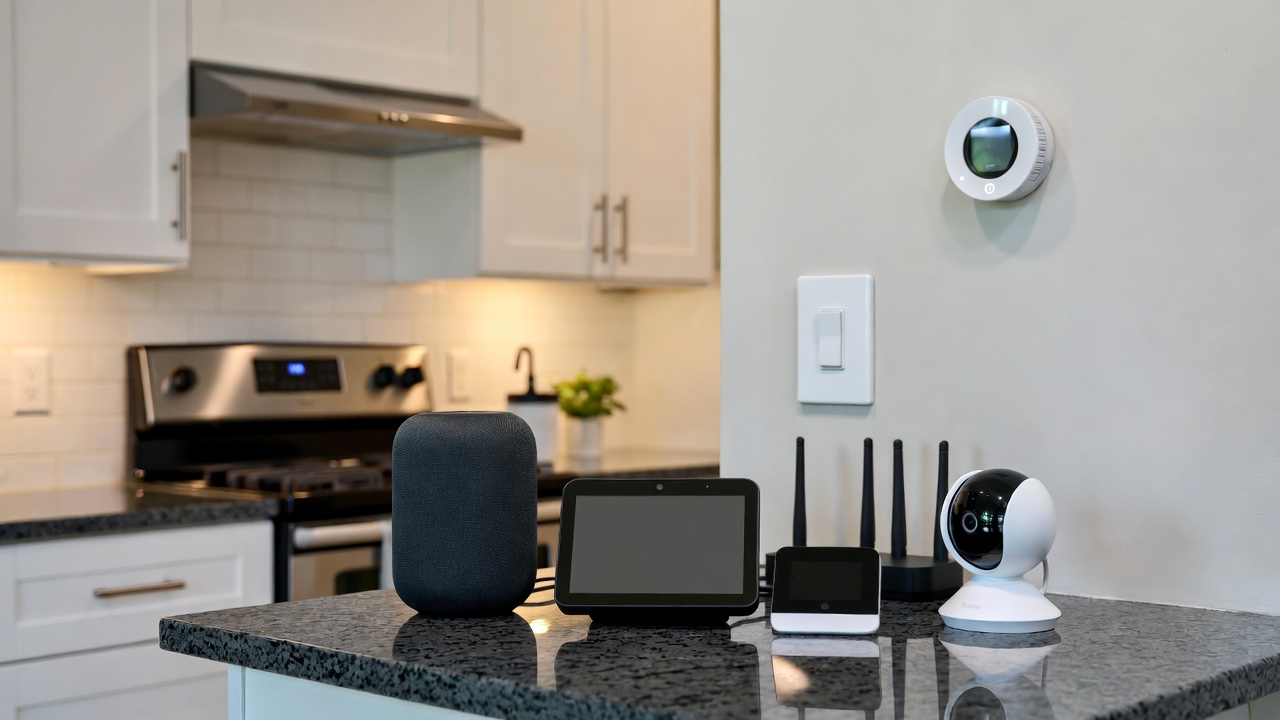
A few years ago, building a smart home meant committing to a single ecosystem — Amazon, Apple, Google, or Samsung. Mixing brands was a headache at best, and a broken experience at worst. Matter, the open connectivity standard backed by Amazon, Apple, Google, and the Connectivity Standards Alliance, fixes that at the software layer. By February 2026, Matter has moved from a promising buzzword to the actual backbone of modern smart homes.
Practically speaking, it means a Google Nest thermostat can talk to an Apple HomePod and a Samsung SmartThings sensor — locally, without needing an internet connection. The Matter 1.4 update added support for solar panels, batteries, heat pumps, and water heaters. Version 1.5, released in late 2025, brought cameras into the standard for the first time. If you’re buying anything new in 2026, look for the Matter certification logo on the box.
One honest caveat: feature parity is still a work in progress. While Matter handles the basics — on/off, dimming, color temperature, locking — some manufacturers still gate their more advanced features behind their proprietary apps. A premium smart bulb might have a special candle-flicker animation mode that only works inside the brand’s own ecosystem. That’s a trade-off worth knowing before you buy.
Want to go deeper on smart home automation? Check out our guide on home automation setups and best practices.
Smart Hubs: The Brain of Your Setup
Aeotec Smart Home Hub — Best for Maximum Compatibility
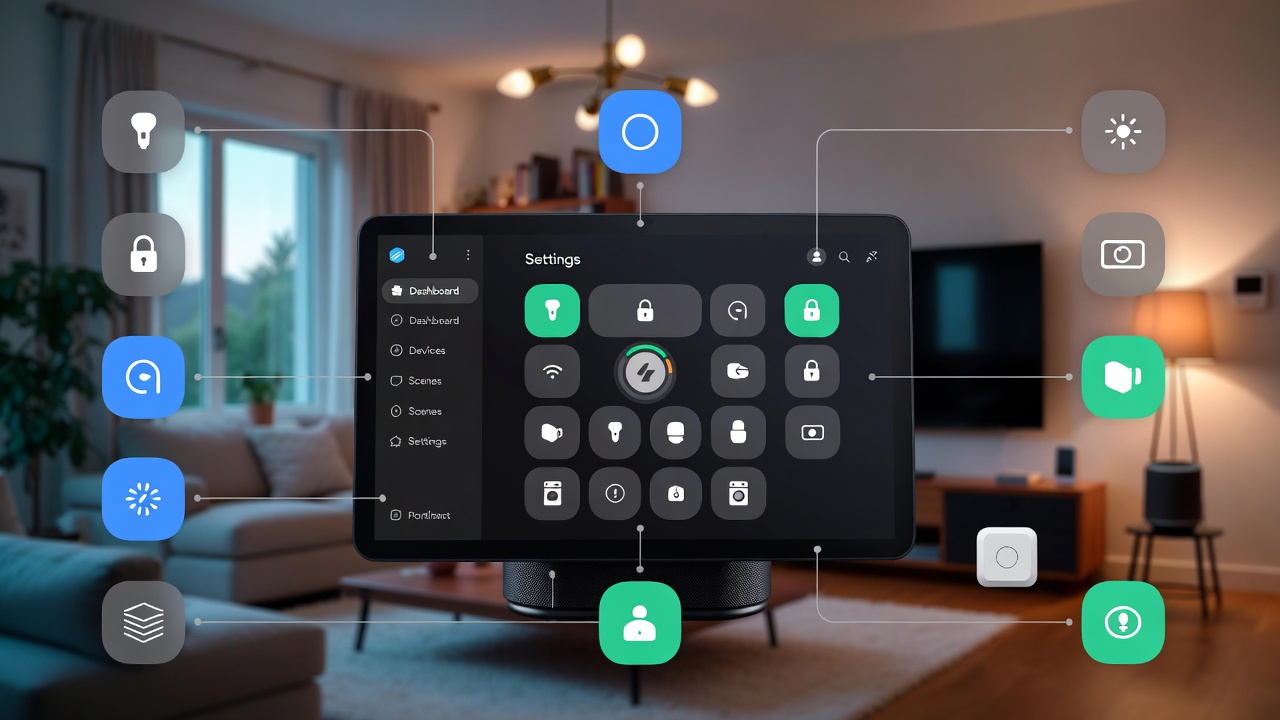
The Aeotec Smart Home Hub runs Samsung SmartThings and supports Zigbee, Z-Wave, Wi-Fi, and Bluetooth — making it the most protocol-flexible hub you can buy right now. It’s the only hub in the top tier that handles Z-Wave, which unlocks a massive library of smart locks and sensors that Wi-Fi-only hubs simply can’t reach. Compatible with Alexa and Google Assistant for voice control, and it integrates with IFTTT for custom automations. The trade-off: no Apple HomeKit support, which is a real miss for iPhone-heavy households. Retail price: around $99–$129.
Apple HomePod (2nd Gen) — Best if You’re All-In on Apple
The HomePod serves as both a high-quality speaker and a Thread Border Router, acting as the hub for Apple HomeKit and Matter devices. The visual dashboard on the Home app is excellent for managing cameras and scenes. Audio quality is genuinely good — cleaner mids and better spatial audio than the Echo lineup. The downside is strict Apple ecosystem lock-in: if you use Android or Google services heavily, this hub will frustrate you. Price: $299.
Amazon Echo Show 15 — Best Smart Display Hub
The Echo Show 15 acts as a wall-mounted command center for your Alexa-connected home. Its 15.6-inch display makes it genuinely useful for checking security cameras, viewing routines, and managing your calendar. In early 2026, Amazon pushed a revised interface that responds noticeably faster than the previous version. The speaker quality is average for its size, so don’t expect it to replace a dedicated audio setup. Price: around $249.
Smart Lighting: Where to Spend and Where to Save
Philips Hue — Still the Best Lighting Ecosystem
Philips Hue remains the top lighting ecosystem in 2026 for one key reason: depth. The new Hue Bridge Pro supports over 200 devices simultaneously (up from 50 in the original Bridge), covering 150 lights plus around 50 accessories. A standout new feature: the Bridge Pro turns your existing Hue bulbs into passive motion sensors, so your house effectively monitors itself without installing extra hardware. Individual bulbs run $14–$55 depending on type. The full starter kit with the Bridge Pro starts around $130. The main complaint is cost — Hue bulbs are expensive compared to alternatives, and there’s no good reason to buy them at full price when the starter kits go on sale frequently.
IKEA Dirigera / TRÅDFRI — Best Budget Smart Lighting
IKEA’s smart home overhaul in 2026 is substantial. The company released 21 new Matter-compatible models and continues to convert its older TRÅDFRI lineup to native Matter over Thread. Bulbs start around $12–$18, and the Dirigera hub costs about $65. You lose some advanced color options compared to Hue, but if you just want reliable, affordable lighting that works across platforms, IKEA is the most practical choice. It also works well as a starting point before you decide which ecosystem suits you long-term.
Nanoleaf Shapes — Best for Accent Lighting
Nanoleaf’s modular light panels remain the most visually creative option for accent lighting. The Shapes series — hexagons, triangles, and squares — let you build custom wall installations with millions of color combinations. They’re Matter-compatible and work with Alexa, Google, and Apple HomeKit. A starter kit of 9 panels runs around $199. They’re not meant to replace functional room lighting — they’re accent pieces, and the app is required for the best experience, even with Matter active.
Smart Security: Cameras, Doorbells, and Locks
Google Nest Doorbell (2025/2026) — Best Video Doorbell
The latest Google Nest Doorbell adds Gemini AI-powered analysis, which means it can describe what it sees in natural language — not just “motion detected” but something closer to “a person left a package at your door.” Video resolution is 1080p HDR with a tall 3:4 aspect ratio that captures from head to toe. It works with Google Home and is Matter-compatible. Battery or wired versions available; wired starts around $179, battery around $179–$229. The main downside: the best features (package detection, familiar face alerts) require a Nest Aware subscription at $8/month or $80/year.
Arlo Pro 6 (2025 Release) — Best Outdoor Security Camera
Arlo’s latest Pro camera shoots in 2K resolution with HDR and color night vision. It’s wireless and rechargeable, with a charging station included. The motion zones and activity zones are more precise than most competitors, and the app experience is genuinely polished. Price for a single camera: around $199. The caveat: free local storage is limited, and you’ll want Arlo Secure at $4.99–$12.99/month for cloud recording and advanced AI detection. Without a plan, you get 30 days of local storage only.
Ulticam IQ V2 — Best New Matter Camera
Announced at CES 2026, the Ulticam IQ V2 is one of the first cameras certified under Matter 1.5 specifications, which officially brought cameras into the Matter standard. It records in 4K (3840×2160) with a 160-degree wide-angle view and supports both Wi-Fi and Power over Ethernet (PoE), giving you flexibility in how you install it. Pricing hadn’t been officially confirmed at the time of writing, but it’s expected to land in the $149–$199 range. It’s a strong option for anyone building a cross-platform setup who doesn’t want to be tied to a single camera ecosystem.
Level Lock Pro — Best Smart Lock
The Level Lock Pro installs inside your existing deadbolt hardware, so your door looks completely normal from the outside. It’s Apple HomeKit and Matter-compatible, supports auto-lock, guest access codes, and activity logs. Battery life is around 12 months on a single CR2 battery. Price: around $329. It’s the most discreet smart lock on the market — but that premium design comes with a premium price tag. If you don’t care about the stealth factor, the Schlage Encode Plus (~$219) offers similar functionality at a lower cost.
For a full breakdown of smart lighting and security options, see our smart lighting and security guide.
Smart Thermostats
Google Nest Learning Thermostat (4th Gen) — Best Overall
The Nest Learning Thermostat remains the benchmark. It learns your schedule over the first week and adjusts automatically, and the Home/Away Assist feature detects when everyone leaves the house and dials back heating or cooling. The 4th-generation model features a larger display and improved humidity sensing. Compatible with most HVAC systems; check compatibility at Google’s compatibility checker before ordering. Price: $279.
Amazon Smart Thermostat — Best Budget Option
At around $79, the Amazon Smart Thermostat is the most accessible entry point into smart temperature control. It works with Alexa out of the box, supports scheduling and geofencing, and qualifies for energy rebates through many utilities. It doesn’t learn your habits automatically like Nest, and the display is basic. But for a single-zone home where the owner just wants remote control and scheduling, it does the job without any monthly fees.
Voice Assistants: Alexa, Google, and Siri in 2026
The voice assistant landscape shifted in 2026. Amazon’s Alexa+ — the upgraded, more conversational version of Alexa — is available to Prime subscribers and responds noticeably better to multi-step requests than the previous version. Google Assistant, now tightly integrated with Gemini, handles natural language queries about your home better than ever. Apple’s Siri within the HomePod remains the most private option, processing most requests on-device, but it still lags behind on third-party device integrations compared to Alexa and Google.
If voice control is a priority in your setup, our voice assistant comparison guide covers each platform’s strengths in detail.
What to Buy Based on Your Budget
Under $200 (starter setup): Amazon Smart Thermostat ($79), two IKEA TRÅDFRI bulbs (~$30 total), and a basic Wyze Cam ($35–$45) give you remote temperature control, app-controlled lighting, and a security camera for under $160. Add an Echo Dot (~$30) for voice control.
$200–$600 (solid mid-range): Nest Learning Thermostat ($279), Philips Hue Starter Kit with Bridge Pro (~$130), and a Google Nest Doorbell ($179). You’ll want a Nest Aware subscription for full camera features ($80/year). Total: roughly $470 before subscriptions.
$600+ (full ecosystem): Add an Arlo Pro 6 or Ulticam IQ V2, a smart lock (Level Lock Pro or Schlage Encode Plus), an Aeotec hub for advanced automations, and Nanoleaf panels for accent lighting. At this level, prioritize Matter-certified devices across the board so you’re not locked into one ecosystem as you expand.
💡 Save this guide for later — it’s worth checking back when you’re ready to add the next device to your setup.
Things Worth Knowing Before You Buy
- Check Wi-Fi band compatibility. Many budget smart devices only support 2.4 GHz Wi-Fi. If your router broadcasts a combined 2.4/5 GHz network under one name, you may need to separate them during setup.
- Subscriptions add up. Camera cloud storage, advanced AI features, and monitoring plans can run $8–$40/month per platform. Factor that into your total cost of ownership, not just the hardware price.
- Thread devices need a Border Router. If you’re buying Thread-based devices (many newer Philips Hue accessories, IKEA bulbs, Eve sensors), you need at least one Thread Border Router in your home — an Apple HomePod, Apple TV 4K, or Google Nest Hub Max qualifies.
- Legacy devices don’t disappear. You don’t have to throw out Zigbee or Z-Wave devices that aren’t Matter-compatible. A hub like the Aeotec bridges them into your modern setup.
Final Recommendation
For most people building a smart home in 2026, the practical starting point is a Google Nest Learning Thermostat (saves money on energy bills and the return on investment is real), a set of IKEA Dirigera bulbs for affordable Matter-compatible lighting, and a Google Nest Doorbell for front-door security. That combination covers the three highest-value use cases — energy savings, convenience, and security — without overspending.
If you’re already invested in Apple’s ecosystem, swap the thermostat and doorbell for their HomeKit equivalents and get the HomePod as your hub. If you’re deep into Amazon, the Echo Show 15 with an Arlo camera and Amazon Smart Thermostat is a cohesive, well-integrated package.
The one universal rule: buy Matter-certified wherever possible. It’s the insurance policy that lets you switch ecosystems without starting over.
❤️ Bookmark this post to try these ideas later — smart home setups are best built piece by piece, and this guide covers each phase of the process.
- What Is Quantum Computing
 What Is Quantum Computing? A Practical Guide (2026) | Sanso Uka Tech What Is Quantum Computing? A Practical… Read more: What Is Quantum Computing
 - Best AI Image Generators in 2026
 Best AI Image Generators in 2026: Which One Is Actually Worth It? Best AI Image Generators in 2026:… Read more: Best AI Image Generators in 2026
 - Is AI Replacing Jobs
 Is AI Replacing Jobs? The 2026 Data on What’s Actually Happening By Sanso Uka The question of whether… Read more: Is AI Replacing Jobs
 - Tech Trends 2026
 Tech Trends to Watch in 2026: What’s Actually Worth Your Attention Tech Trends to Watch in 2026: What’s… Read more: Tech Trends 2026
 - Best Free AI Tools 2026
 Best Free AI Tools 2026: My Honest Stack for $0 By Sanso Uka Let’s cut through the noise.… Read more: Best Free AI Tools 2026
 - What Is Generative AI
 What Is Generative AI? A Plain-English Guide for 2026 What Is Generative AI? A Plain-English Guide for 2026… Read more: What Is Generative AI
 - Future of Artificial Intelligence 2026
 Future of Artificial Intelligence 2026: From Chatbots to Personal Agents By Sanso Uka If 2025 was the year… Read more: Future of Artificial Intelligence 2026
 - Best AI Tools 2026
 Best AI Tools 2026: ChatGPT, Claude, Gemini & More Compared Updated · March 2026 Best AI Tools 2026:The… Read more: Best AI Tools 2026
 - How to Set Up Smart Lighting at Home
 How to Set Up Smart Lighting at Home: Complete Beginner’s Guide (2026) How to Set Up Smart Lighting… Read more: How to Set Up Smart Lighting at Home
 - IoT Devices for Beginners
 Best IoT Devices for Beginners in 2026: Where to Start Best IoT Devices for Beginners in 2026: Where… Read more: IoT Devices for Beginners
 - Best Smart Smoke Detector 2026
 Best Smart Smoke Detector 2026: Which One Actually Protects Your Home? By Sanso Uka Let’s be honest—most of… Read more: Best Smart Smoke Detector 2026
 - How to Control Your Smart Home with Your Phone
 How to Control Your Smart Home with Your Phone: A Practical Setup Guide By Sanso Uka Learning how… Read more: How to Control Your Smart Home with Your Phone