
Best Wireless Earbuds 2026: Top Picks for Every Budget
By Sanso Uka
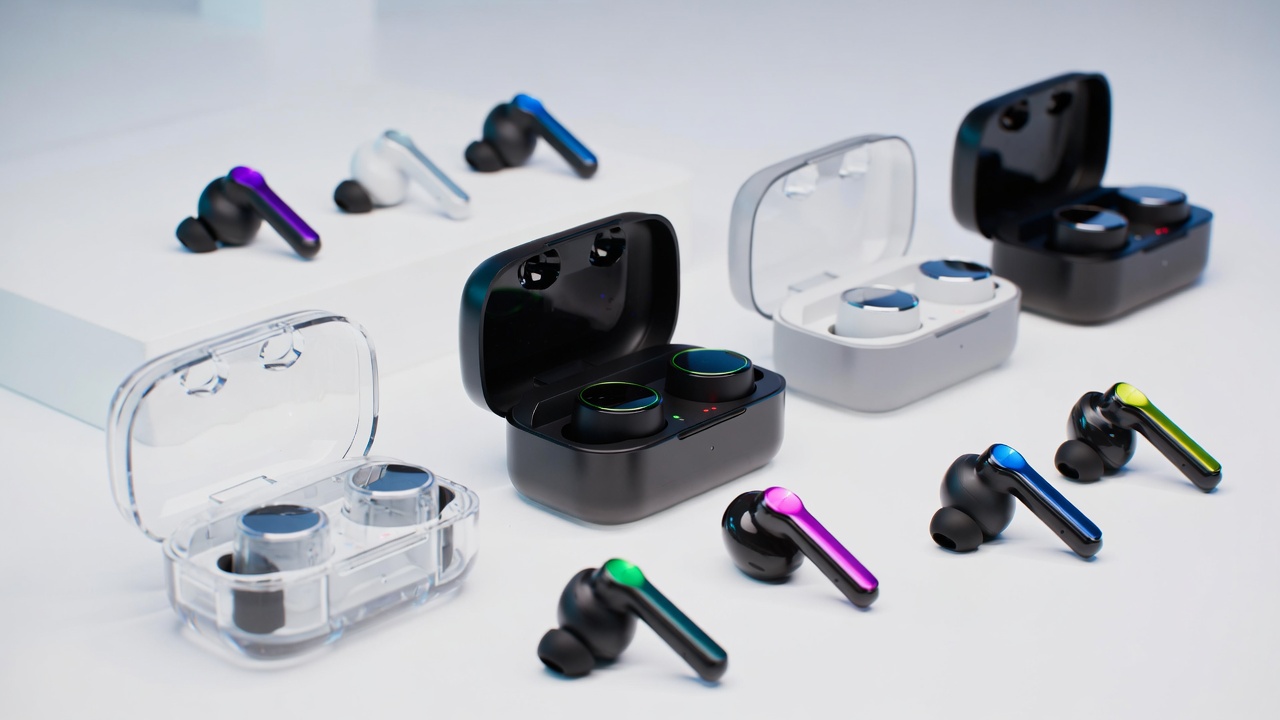
Finding the best wireless earbuds in 2026 is harder than it sounds. The market is packed — dozens of models, overlapping specs, and marketing copy that all says the same thing. What actually matters is how a pair performs in your specific situation: daily commutes, gym sessions, long work calls, or just listening to music without being interrupted by your surroundings. This guide cuts through the noise and tells you exactly what each top pick does well, where it falls short, and who it’s best suited for.
What to Look for Before You Buy
Active noise cancellation (ANC) quality, battery life, fit stability, call clarity, and codec support are the five pillars worth checking. Most earbuds now claim “industry-leading ANC” — which is meaningless — so focus on real-world reviews and head-to-head comparisons. Codec support matters if you’re on Android and want high-res audio: look for LDAC or LHDC. iPhone users are locked to AAC, so the codec debate is less relevant for them.
Fit is personal, but it directly determines both comfort and passive noise isolation. If a bud doesn’t seal your ear canal properly, even great ANC will underperform. Many brands now include three to four ear tip sizes — use them. A good seal is worth more than an expensive driver.
For more context on pairing earbuds with your phone setup, see our smartphone accessories guide.
Sony WF-1000XM5 — Best Overall
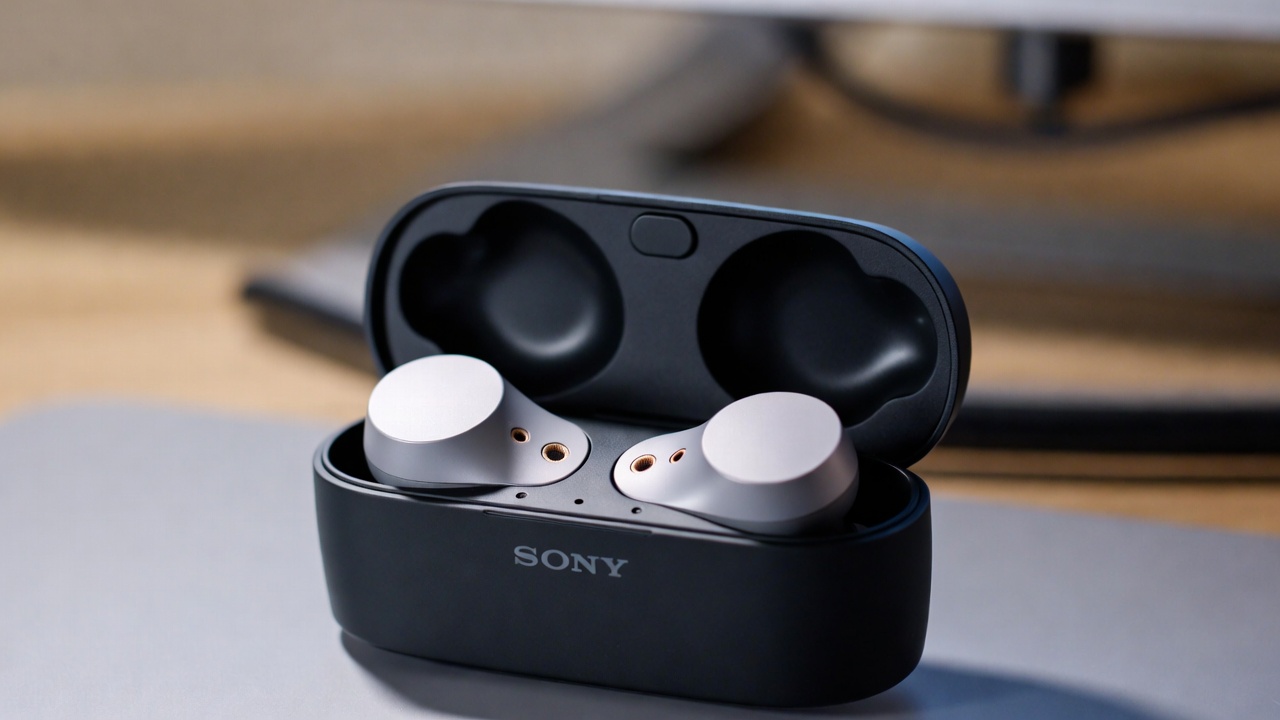
Sony’s WF-1000XM5 remains one of the strongest all-round packages available. At around $279–$299, it leads the pack in ANC performance and audio quality for general consumers. The 8.4mm drivers deliver a wide soundstage, and with LDAC support on Android, you can push up to 990 kbps for near-lossless audio. On iOS, you’re capped at AAC, which is still solid but not the main selling point.
Battery life sits at 8 hours per charge with ANC on, and the case adds another 16 hours — 24 total. That’s on the lower end compared to some rivals. The case is compact, but the earbuds themselves are larger than average; people with smaller ears sometimes struggle to find a comfortable seal.
Call quality in noisy environments is genuinely good — Sony’s beamforming microphone setup handles wind and background chatter better than most. The biggest limitation: touch controls are fussy and the companion app, while feature-rich, feels overcrowded.
Best for: Android users who prioritize sound quality and ANC above everything else.
Apple AirPods Pro 2 — Best for iPhone Users
If you’re in the Apple ecosystem, the AirPods Pro 2 (USB-C version) is hard to argue against. Priced at $249, they integrate with iPhone, iPad, and Mac in ways no third-party bud can match. Switching between devices is nearly instant, and features like Conversation Awareness — where the volume drops when you start talking to someone — work reliably in daily use.
ANC is excellent, ranking among the best available at this price. Transparency mode is the best in class: it sounds almost like you’re not wearing earbuds at all. Battery life is 6 hours per charge, with up to 30 hours total from the case. The case now charges via USB-C and also supports wireless charging.
The trade-off: sound tuning is polished but relatively neutral — some people find it slightly sterile compared to Sony’s warmer signature. They also lack LDAC, so Android users won’t get the full benefit. And if you’re not in the Apple ecosystem, you lose the majority of what makes them worth the price.
Best for: iPhone users who want seamless integration and class-leading transparency mode.
Bose QuietComfort Earbuds 2 — Best Pure ANC
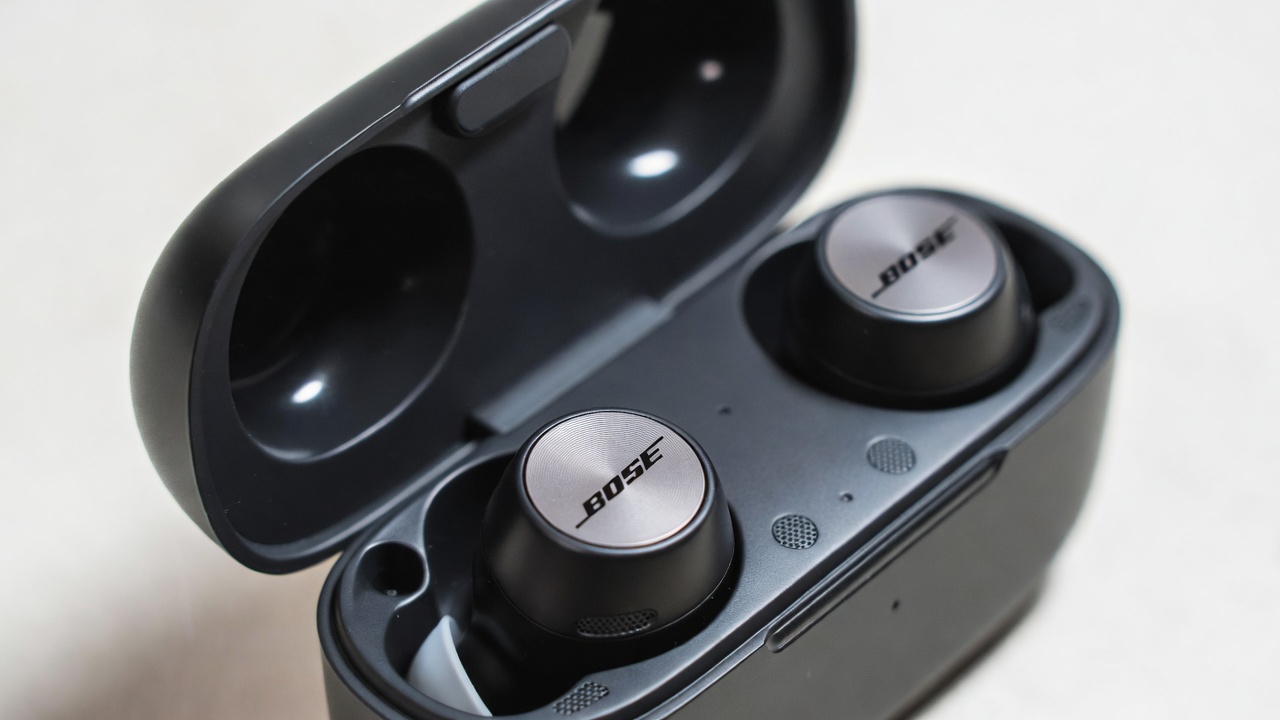
If blocking out the world is your primary goal, the Bose QuietComfort Earbuds 2 frequently outperform everything else in ANC-focused tests. They’re widely available around $199–$229, which makes them more accessible than when they launched. Bose’s CustomTune technology calibrates ANC and sound output to your ear canal automatically when you put them in.
The fit system is notably secure — Bose includes stability bands in three sizes, making them one of the better options for running and workouts. Battery life is 6 hours per charge with ANC on, and the case adds 18 hours more. They’re not the longest-lasting earbuds, but consistent users rarely find this limiting in practice.
Sound quality is detailed and well-balanced, though some listeners find it slightly analytical compared to Sony’s output. The app is straightforward, and they pair reliably across Android and iOS. One drawback: no LDAC support, and multipoint connection (connecting to two devices at once) works but occasionally stutters when switching.
Best for: Office workers, commuters, or frequent flyers who need maximum noise blocking and a secure fit.
Nothing Ear (2) — Best Mid-Range Value
At $149, the Nothing Ear (2) punches above its price consistently. The transparent design is distinctive without being gimmicky, and the 11.6mm drivers produce a wide, dynamic sound that competes with earbuds costing significantly more. LHDC codec support on Android gives you high-res audio without paying Sony-level prices.
ANC is effective for the price — it handles consistent background noise like AC units and train hum well, though it struggles more with sudden or variable sounds like voices. Battery life is 6.3 hours per charge, with a generous 36 hours from the case. That case-total figure is one of the better ones at this price tier.
The companion app (Nothing X) is clean and functional. Multipoint Bluetooth works reliably. Call quality is acceptable, though not standout. The main limitation is fit — the stem design won’t suit every ear, and without a stabilizer wing, they’re not ideal for intense exercise.
If you want to explore how earbuds pair with wearables like smartwatches, check out our smartwatches and wearables section for compatible audio setups.
Best for: Android users on a budget who want audio quality and codec support without breaking $150.
Samsung Galaxy Buds3 Pro — Best for Galaxy Users
Samsung’s Galaxy Buds3 Pro retail around $249 and are engineered tightly into the Samsung ecosystem. If you’re using a Galaxy S series phone, the integration depth rivals what Apple offers iPhone users — features like AutoSwitch, head-tracking for spatial audio, and Galaxy AI Noise Reduction are locked to Samsung devices or significantly limited elsewhere.
The blade-style design is polarizing but practically effective for fit and stability. ANC quality is strong, and the dual-driver setup (woofer + tweeter per ear) gives them a lively, energetic sound signature. Battery life is 6 hours per charge with ANC, 30 hours with the case.
The limitation worth knowing: outside the Samsung ecosystem, they’re a notably average pair of earbuds. Multipoint works across non-Samsung devices, but ANC performance and some audio features are restricted. Their value proposition hinges entirely on owning Samsung hardware.
Best for: Samsung Galaxy phone owners who want deep software integration and strong ANC.
Anker Soundcore Liberty 4 Pro — Best Budget Pick
For anyone spending under $100, the Anker Soundcore Liberty 4 Pro (available around $79–$99) offers a remarkably complete feature set. LDAC support, in-ear detection, wireless charging on the case, ANC, and multipoint Bluetooth — all at a price most premium brands charge just for a replacement tip set.
ANC quality isn’t in the same league as Sony or Bose, but it handles steady background noise acceptably. Battery life is 9 hours per charge with ANC off (lower with it on), and the case extends that to 40 hours total — one of the highest totals in any category. Sound quality is warm and consumer-friendly, leaning toward bass.
Build quality is functional, not premium. The companion app works but shows its budget origins in layout and responsiveness. Still, as an entry point into the wireless earbud category, they’re hard to beat.
Best for: First-time wireless earbud buyers or those who need a reliable backup pair without a big investment.
Quick Comparison at a Glance
- Sony WF-1000XM5 — ~$279–$299 | 8hr ANC on | Best overall, Android-first
- Apple AirPods Pro 2 — ~$249 | 6hr ANC on | Best for iPhone ecosystem
- Bose QC Earbuds 2 — ~$199–$229 | 6hr ANC on | Best pure noise cancellation
- Nothing Ear (2) — ~$149 | 6.3hr ANC on | Best mid-range Android value
- Samsung Galaxy Buds3 Pro — ~$249 | 6hr ANC on | Best for Galaxy users
- Anker Soundcore Liberty 4 Pro — ~$79–$99 | 9hr ANC off | Best budget pick
For reference on specs and official product pages, RTINGS.com’s earbud testing database remains one of the most reliable third-party measurement resources available.
The Bottom Line
The best wireless earbuds in 2026 depend entirely on your phone and your priorities. iPhone users should go straight to the AirPods Pro 2 — the ecosystem integration justifies the price. Android users who want the best audio quality will be happiest with the Sony WF-1000XM5, while those who prioritize silence above all else should consider the Bose QuietComfort Earbuds 2. If you’re on a tighter budget, the Nothing Ear (2) at $149 offers more than most people expect, and the Anker Liberty 4 Pro at under $100 is the most capable truly budget option available right now.
Whatever you pick, spend five minutes fitting the ear tips properly before judging anything — ANC, comfort, and bass response all improve dramatically with a solid seal. Start there, and most good earbuds will surprise you.
If you’re also looking at how to extend your audio setup to speakers and smart displays, our voice assistants and smart audio guide covers compatible options worth pairing with your earbuds.
- Best Cheap Smartwatch Under $50
 Best Cheap Smartwatch Under $50: 5 Reliable Picks for 2026 By Sanso Uka If you’re hunting for the… Read more: Best Cheap Smartwatch Under $50
 - Best Dash Cams of 2026
 Best Dash Cams of 2026: Top Picks for Every Driver and Budget By Wanderson Nogueira Martins Choosing the… Read more: Best Dash Cams of 2026
 - How to Transfer Data to New Phone
 How to Transfer Data to a New Phone: A Step-by-Step Guide for 2026 By Sanso Uka Upgrading to… Read more: How to Transfer Data to New Phone
 - Senior-Friendly Smartphones 2026
 Senior-Friendly Smartphones 2026: Best Overall Picks for Every Budget By Sanso Uka Senior-friendly smartphones in 2026 have come… Read more: Senior-Friendly Smartphones 2026
 - Best Mechanical Keyboards in 2026
 Best Mechanical Keyboards in 2026 Best Mechanical Keyboards in 2026: Top Picks for Every Budget and Use Case… Read more: Best Mechanical Keyboards in 2026
 - Best Monitor for Home Office 2026
 Best Monitor for Home Office 2026: Expert Picks & Buying Guide By Sanso Uka Your monitor is the… Read more: Best Monitor for Home Office 2026
 - How to Extend Smartphone Battery Life
 How to Extend Smartphone Battery Life: 12 Practical Tips That Actually Work By Sanso Uka You unplugged your… Read more: How to Extend Smartphone Battery Life
 - Best E-Readers in 2026
 Best E-Readers in 2026: Which One Is Actually Worth Buying? Best E-Readers in 2026: Which One Is Actually… Read more: Best E-Readers in 2026
 - Refurbished vs New Laptop
 Refurbished vs New Laptop: Which Should You Buy in 2026? By Sanso Uka When you’re in the market… Read more: Refurbished vs New Laptop
 - Best Gaming Headsets Under $100
 Best Gaming Headsets Under $100 in 2026: Top Picks for Every Platform By Sanso Uka Finding the best… Read more: Best Gaming Headsets Under $100
 - How Long Do Laptops Last
 How Long Do Laptops Really Last? A Practical Guide to Lifespan By Sanso Uka If you are shopping… Read more: How Long Do Laptops Last
 - Best Portable Charger 2026
 Best Portable Charger in 2026: Top Power Banks for Every Budget and Use Case By Wanderson Nogueira Martins… Read more: Best Portable Charger 2026