
Handheld Gaming Consoles Comparison: Which to Buy in 2026
Choosing between today’s handheld gaming consoles has become surprisingly complex as the market has expanded beyond traditional options. The handheld gaming consoles comparison landscape in 2026 includes everything from Nintendo’s beloved Switch family to powerful PC gaming handhelds from Valve, ASUS, and Lenovo, plus cloud gaming devices that stream rather than run games locally.
I remember when handheld gaming meant choosing between Nintendo’s latest device or Sony’s PlayStation Portable. Now, the decision requires weighing factors like game library access, performance capabilities, portability needs, and whether you want dedicated gaming hardware or something that doubles as a portable PC.
In this comprehensive guide, I’ll break down the major handheld gaming options available in 2026, comparing their strengths, limitations, game libraries, performance metrics, and value propositions. Whether you’re a casual player looking for Nintendo exclusives, a PC gamer wanting portable access to your Steam library, or someone exploring cloud gaming, you’ll find clear guidance on which device best matches your gaming style and budget.
Understanding the Current Handheld Gaming Categories
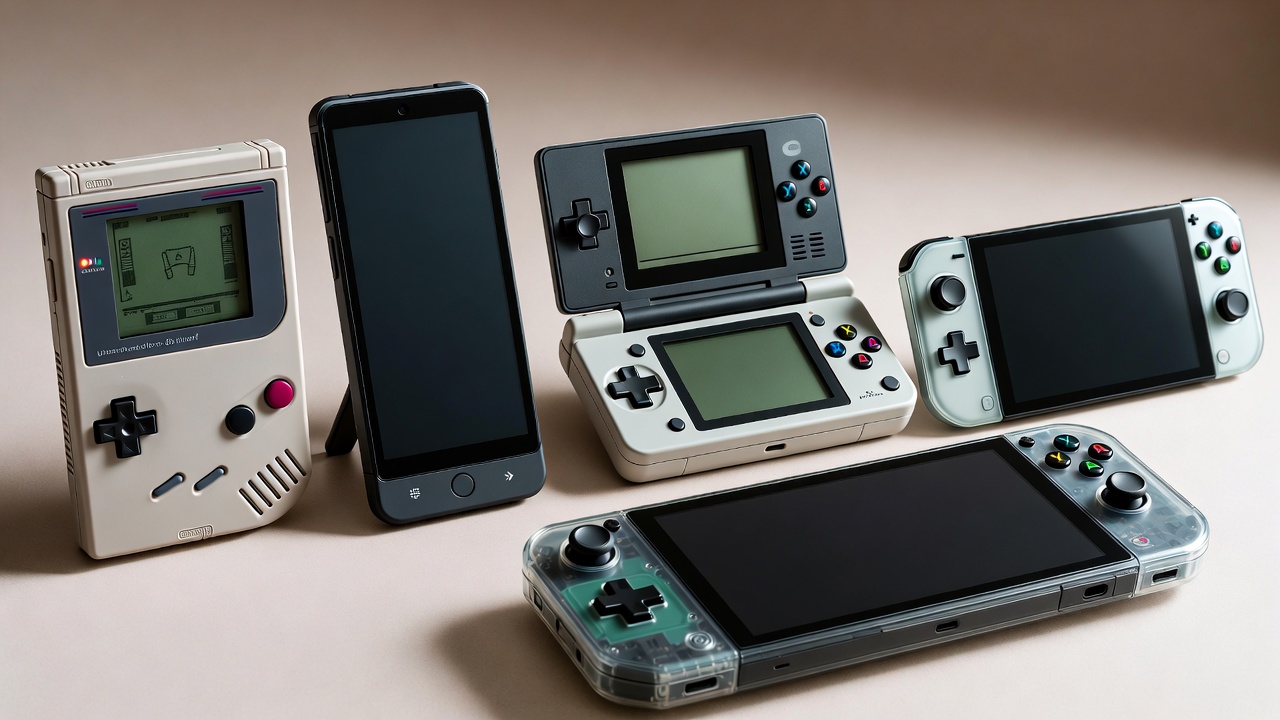
The handheld gaming market has fractured into distinct categories, each serving different needs and gaming preferences. Understanding these categories helps narrow your options before diving into specific device comparisons.
Traditional dedicated gaming handhelds like the Nintendo Switch OLED and Steam Deck focus exclusively on gaming experiences. These devices offer optimized interfaces, curated game stores, and hardware designed specifically for portable play. They represent the most streamlined gaming experience but with limitations on non-gaming functionality.
PC gaming handhelds such as the ASUS ROG Ally X and Lenovo Legion Go essentially put Windows-based gaming PCs in handheld form factors. These devices access the full Steam library, Epic Games Store, Xbox Game Pass, and other PC gaming platforms. They offer incredible versatility and power but sacrifice some of the pick-up-and-play simplicity of dedicated consoles.
Cloud gaming devices like the Logitech G Cloud represent a third category focused on streaming games from remote servers rather than running them locally. These handhelds require stable internet connections but offer access to massive game libraries without needing powerful local hardware. They excel for specific use cases but struggle in areas with poor connectivity.
Hybrid devices attempt to blend categories, with the Steam Deck being the most successful example by running a custom Linux-based OS that feels console-like while providing full PC functionality when needed. This middle ground appeals to users wanting both simplicity and flexibility, though it requires more technical comfort than pure console experiences.
Nintendo Switch Family: The Established Standard
The Nintendo Switch ecosystem remains the dominant force in dedicated handheld gaming, offering three models that prioritize game quality and exclusive content over raw technical specifications.
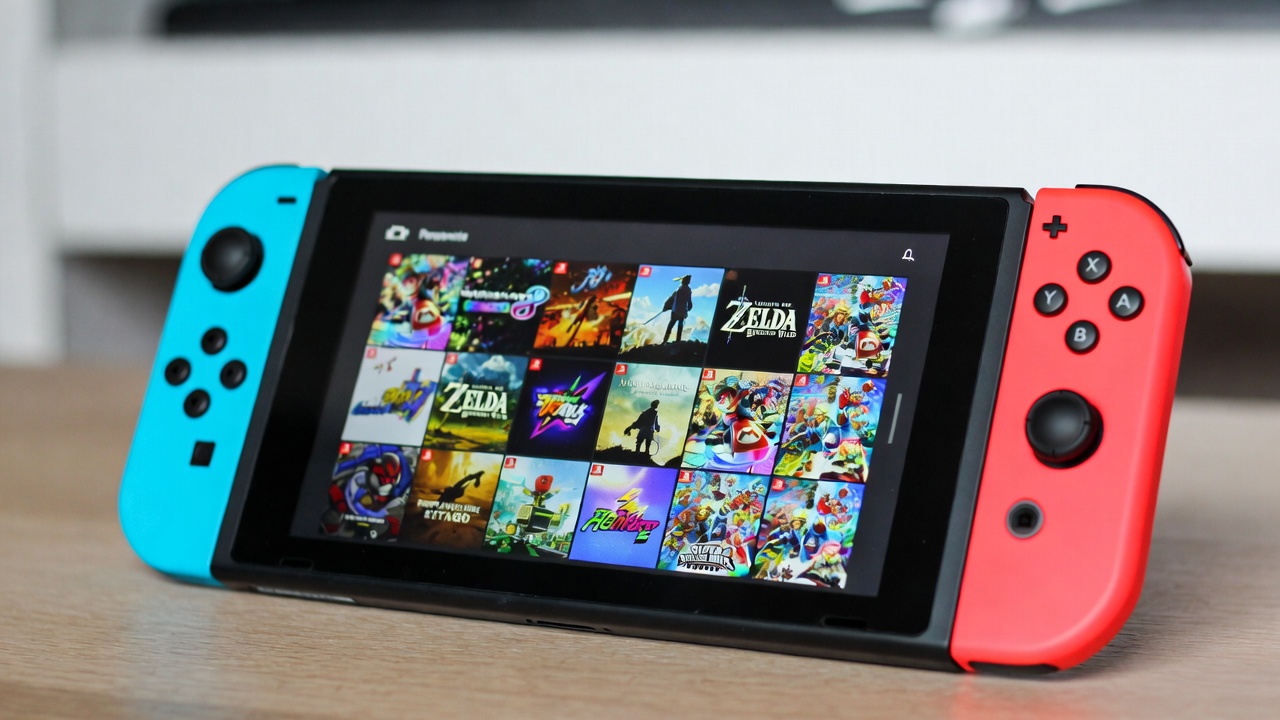
The Switch OLED at $349 provides the premium experience with a gorgeous 7-inch OLED display, enhanced audio, improved kickstand, and 64GB of storage. The visual upgrade from the LCD screen is immediately noticeable, making this the best option for handheld-focused players. The dock supports connections to TVs for home console experiences, maintaining Nintendo’s hybrid approach.
The standard Nintendo Switch at $299 offers identical gaming performance in a slightly less refined package. The 6.2-inch LCD screen remains perfectly serviceable, and the 32GB storage can be expanded via microSD cards. For budget-conscious buyers or those primarily playing docked, this delivers full Switch functionality at lower cost.
The Switch Lite at $199 commits entirely to portable play, removing TV connectivity and controller detachment while shrinking to a more pocketable size. This makes sense for younger players, second-system owners, or anyone who never uses TV mode anyway. The 5.5-inch screen feels cramped for some games, but the improved portability and lower price create genuine value.
Nintendo’s game library remains the Switch family’s defining strength. Exclusive franchises like Mario, Zelda, Pokemon, Animal Crossing, and Splatoon simply aren’t available elsewhere. The quality of first-party Nintendo games consistently sets industry standards for design and polish. Third-party support has improved substantially, though graphically demanding games often run at lower resolutions or frame rates compared to other platforms. For more insights on the broader gaming landscape, exploring how different platforms compare can inform your decision.
Steam Deck: Valve’s PC Gaming Revolution
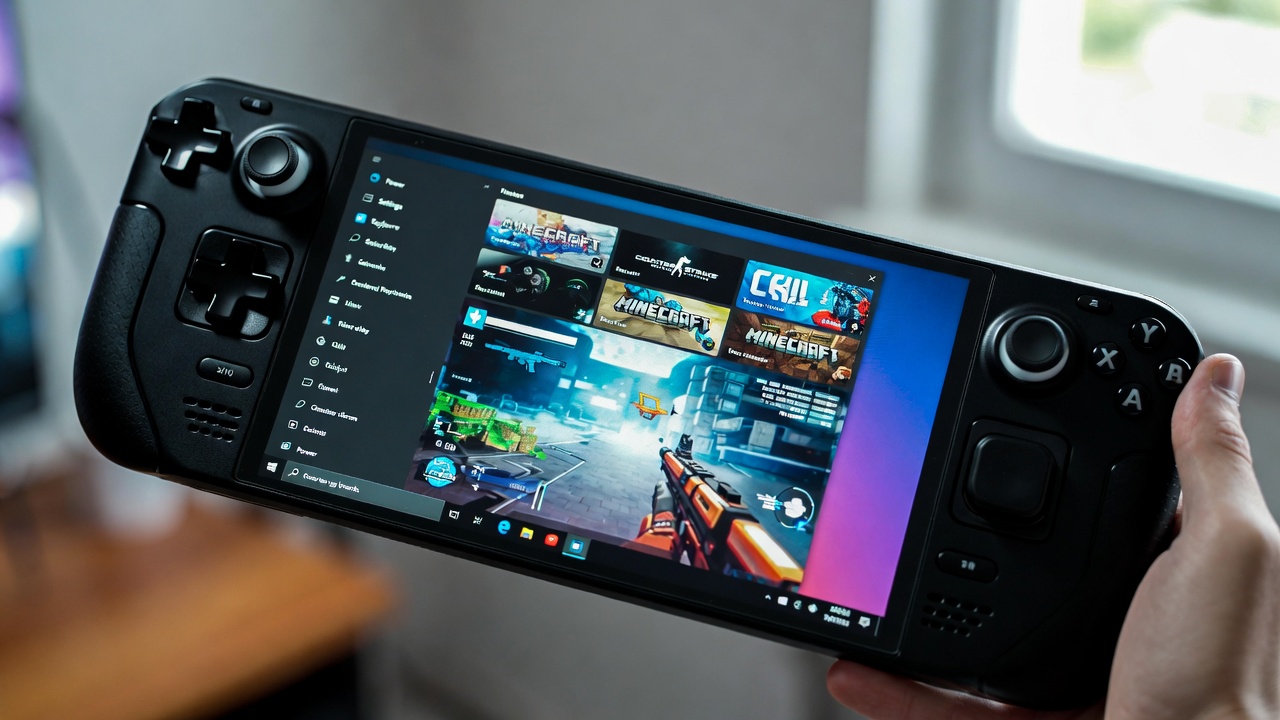
Valve’s Steam Deck brought PC gaming to truly portable form factors, creating a new category that other manufacturers have rushed to emulate. The device runs a custom Linux-based operating system called SteamOS that provides console-like simplicity while maintaining full PC capabilities when needed.
Three storage tiers offer different value propositions. The 256GB LCD model at $399 provides the entry point with sufficient storage for several large games. The 512GB OLED at $549 adds a stunning HDR OLED display, improved battery life, and better cooling. The 1TB OLED at $649 maximizes storage for players with extensive libraries who want to avoid managing installations constantly.
Performance capabilities exceed the Switch significantly, running modern PC games at medium to high settings at 800p resolution. The custom AMD APU delivers approximately Xbox Series S level performance in a portable package. Frame rates target 30-60 fps depending on game demands, with user controls allowing graphics customization to balance visual quality against battery life.
Game library access represents the Steam Deck’s most compelling advantage. Your existing Steam library transfers immediately—thousands of games you may already own become portable. Verified compatibility ratings help identify which games run perfectly, which need tweaking, and which don’t work. The percentage of verified games continues growing as Valve and developers optimize for the platform.
Battery life ranges from 90 minutes running demanding AAA games to 6-8 hours playing older or less intensive titles. This variability requires planning around charging opportunities, particularly for longer trips. The device charges via USB-C, making portable battery packs viable for extended sessions. When combined with appropriate gaming accessories, the Steam Deck becomes even more versatile for different play scenarios.
Windows Gaming Handhelds: Maximum Power and Flexibility
The latest generation of Windows-based gaming handhelds pushes performance boundaries while running full desktop Windows 11, providing unrestricted access to every PC gaming platform and launcher.
The ASUS ROG Ally X at $799 represents the current performance leader with its AMD Ryzen Z1 Extreme processor, 24GB of RAM, and 1TB of storage. The 7-inch 1080p display running at 120Hz delivers exceptional visual quality and smoothness. Variable refresh rate support and AMD FreeSync eliminate screen tearing. Performance exceeds the Steam Deck by 30-40% in most games, enabling higher settings or frame rates.
Lenovo’s Legion Go at $699 takes a different approach with an enormous 8.8-inch display and detachable controllers that function like Nintendo Switch Joy-Cons. The larger screen creates more immersive experiences but impacts portability. The device doubles as a mouse-based gaming setup when controllers detach, expanding versatility beyond typical handheld scenarios.
The MSI Claw at $699 uses Intel’s new Core Ultra processors instead of AMD chips, providing competitive performance with potentially better battery efficiency for lighter games. Initial reviews suggest it trails the ROG Ally X slightly in demanding titles but excels at emulation and older PC games while drawing less power.
Windows handhelds access every PC gaming platform simultaneously: Steam, Epic Games Store, GOG, Xbox Game Pass for PC, EA Play, and Ubisoft Connect. This unrestricted access means any PC game can theoretically run on these devices, though not all control well with gamepad inputs. The flexibility comes with complexity—managing Windows updates, driver installations, and launcher conflicts requires more technical comfort than console experiences provide.
Battery life on Windows handhelds typically ranges from 1.5 to 2 hours running intensive games at high settings, extending to 3-4 hours with optimized settings or less demanding titles. The power draw from Windows itself and the lack of OS-level power optimization compared to SteamOS impacts longevity. Fast charging support typically restores 50-80% capacity within an hour.
Cloud Gaming Options: Streaming-Focused Devices
Cloud gaming handhelds represent a fundamentally different approach, streaming games from remote servers rather than running them locally. This creates unique advantages and significant limitations depending on your internet access and gaming patterns.
The Logitech G Cloud at $349 specifically targets Xbox Game Pass Ultimate and GeForce Now subscribers. The device features a 7-inch 1080p display, impressive 12-hour battery life, and lightweight design at just 463 grams. It runs Android, providing access to mobile games alongside cloud streaming services. The hardware prioritizes efficiency over power since actual game processing happens remotely.
Cloud gaming performance depends entirely on internet connection quality. With stable 15+ Mbps connections and low latency, the experience closely matches local gaming. Visual quality can reach 1080p60 on capable connections. However, any network instability, high latency, or bandwidth restrictions immediately degrades performance. Input lag becomes noticeable and frustrating when connections falter.
Game library access through cloud platforms offers incredible breadth. Xbox Game Pass Ultimate provides hundreds of games including day-one releases of Microsoft first-party titles. GeForce Now supports games from Steam, Epic, and other stores you already own. These services eliminate download waits and storage management entirely—you simply stream whatever you want to play.
The value proposition centers on subscription costs versus hardware investment. Cloud gaming devices cost less than gaming PCs or high-end handhelds, but require ongoing subscriptions to access game libraries. Xbox Game Pass Ultimate runs $16.99 monthly, GeForce Now Priority costs $9.99 monthly. Over time, these subscriptions add up, potentially exceeding the cost difference from more expensive hardware.
Travel and mobile use cases reveal cloud gaming’s primary limitation. Hotel WiFi, cellular connections, and public networks rarely provide the consistent quality needed for smooth streaming. This makes cloud handhelds poor choices for frequent travelers or anyone without reliable home internet. They excel for couch gaming in homes with strong WiFi but struggle everywhere else.
Performance Comparison: Real-World Gaming Experience
Understanding how these handheld gaming consoles perform across different game types helps identify which device matches your library and preferences.
For AAA titles released in the past two years, Windows handhelds like the ROG Ally X provide the best experience, running games like Cyberpunk 2077, Starfield, and Baldur’s Gate 3 at medium-high settings with 30-45 fps. The Steam Deck handles these same titles at lower settings, typically achieving stable 30 fps with some visual compromises. The Switch cannot run most modern AAA third-party games, instead receiving cloud versions or skipping releases entirely.
Indie games and older titles run beautifully across all platforms. The Switch, Steam Deck, and Windows handhelds all handle games like Hades, Stardew Valley, and Hollow Knight flawlessly. Battery life improves dramatically when playing less demanding games—the Steam Deck can reach 6-8 hours, Windows devices 4-6 hours, and the Switch 5-9 hours depending on the specific game.
Competitive multiplayer gaming favors Windows handhelds and Steam Deck for their higher frame rate capabilities and broader game access. The Switch handles its own first-party multiplayer titles perfectly but lacks many popular competitive games like Valorant, Counter-Strike, or Apex Legends at competitive settings. Input lag from cloud gaming makes streaming unsuitable for competitive play regardless of connection quality.
Emulation capabilities vary significantly. Windows handhelds can run emulators for virtually any retro system including PS2, GameCube, and even Switch emulation. The Steam Deck handles emulation excellently through EmuDeck and similar solutions. The Switch technically supports some homebrew emulation but Nintendo actively discourages this, and the hardware lacks power for more demanding emulated systems. Understanding how different devices handle various gaming scenarios helps match hardware to your specific needs.
Portability, Comfort, and Build Quality Factors
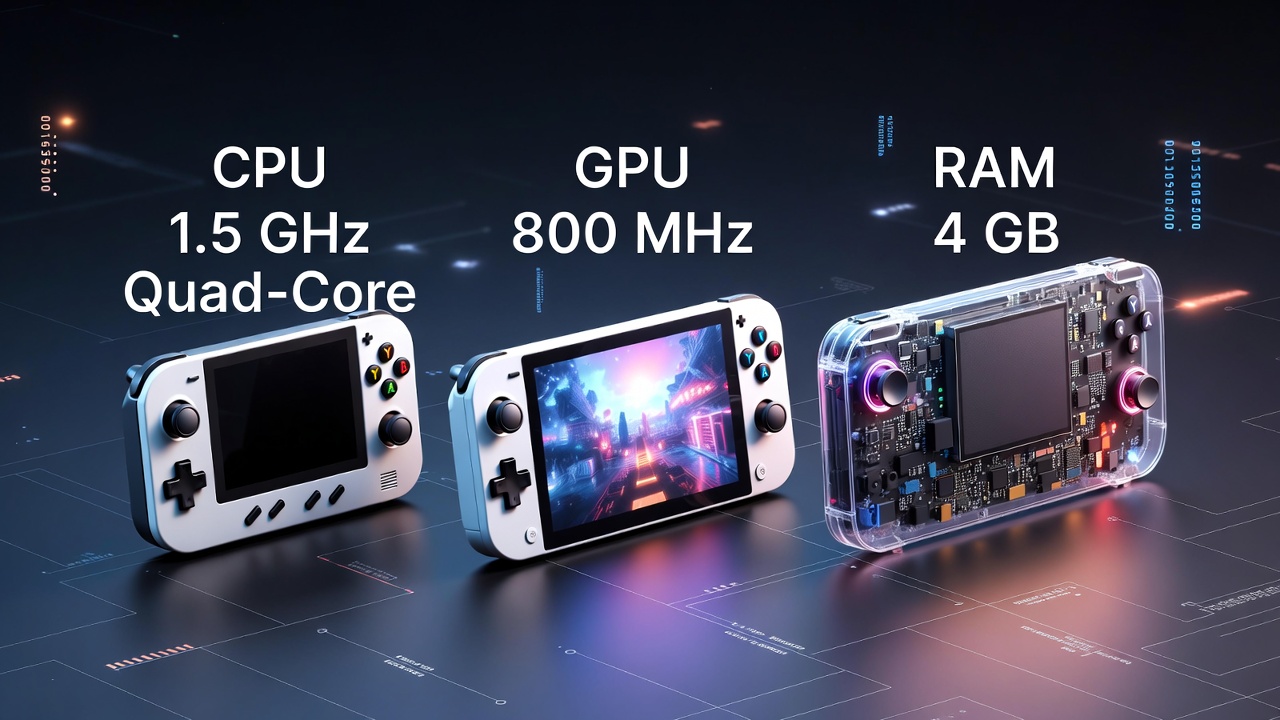
Physical characteristics significantly impact the daily experience of using handheld gaming devices, often mattering more than raw specifications for long-term satisfaction.
Weight and size create immediate comfort differences. The Switch Lite at 277 grams feels effortlessly portable, easily fitting in jacket pockets. The standard Switch and Switch OLED at 398 grams remain comfortable for extended sessions. The Steam Deck at 669 grams and Windows handhelds at 600-680 grams become noticeably fatiguing during longer play sessions, particularly for users with smaller hands or those playing in bed.
Ergonomics vary considerably between devices. The Steam Deck’s grip design accommodates larger hands well and distributes weight effectively, though it’s too bulky for some users. The ROG Ally X improves on the original Ally with better grip placement and button positioning. The Legion Go’s detachable controllers offer flexibility but feel less substantial in handheld mode. The Switch family provides the most accommodating ergonomics across different hand sizes, with the OLED model offering the most refined feel.
Screen quality impacts visual enjoyment more than raw specifications suggest. The Switch OLED’s vibrant display and deep blacks make games pop beautifully despite the 720p resolution. The Steam Deck OLED similarly impresses with HDR support and excellent color reproduction. Windows handhelds with 1080p or 1200p displays provide sharper images but at the cost of battery life and performance overhead. For extended reading or visual appreciation, OLED screens reduce eye strain compared to LCD alternatives.
Build quality and durability concerns affect long-term value. Nintendo’s hardware reliability is generally excellent, with Switch consoles enduring years of use with minimal issues beyond occasional Joy-Con drift. The Steam Deck has proven surprisingly durable given its complexity, with most issues relating to software rather than hardware failures. Windows handhelds show more variability—premium models like the ROG Ally X feel solid, while budget options sometimes exhibit creaking or flex in their chassis.
Button and control precision matters for different game genres. The Switch’s digital directional buttons work well for 2D games but lack the precision of true d-pads. The Steam Deck includes both analog sticks and trackpads, providing mouse-like control for strategy games and shooters. Windows handhelds typically feature the most responsive buttons and highest quality analog sticks, benefiting action games and precise platformers.
Storage, Expandability, and Ecosystem Lock-in
Long-term usability depends heavily on storage options, expansion capabilities, and how tied you become to specific gaming ecosystems.
Storage capacity varies from 32GB on base Switch models to 1TB on premium Windows handhelds and Steam Decks. For reference, modern AAA games typically require 50-150GB each. The Switch ecosystem’s smaller game sizes (typically 5-30GB) make limited storage more manageable. PC gaming handhelds need substantial storage for 50-150GB installations, though microSD expansion on Steam Deck and Windows devices provides affordable capacity increases.
Cloud saves differ significantly between platforms. Nintendo Switch Online ($19.99 annually) backs up most game saves to the cloud, though some games inexplicably lack support. Steam Cloud automatically syncs saves across devices for supported games, enabling seamless transitions between handheld and desktop gaming. Xbox Game Pass includes cloud saves across all devices. This cloud functionality integrates naturally with modern software ecosystems many users already maintain.
Ecosystem lock-in represents a critical consideration for long-term investment. Nintendo games purchased digitally only work on Nintendo hardware—if you eventually move to other platforms, that library becomes stranded. Steam games remain accessible on any PC, Steam Deck, or Windows handheld. Xbox Game Pass games require active subscription but work across Xbox consoles, Windows PCs, and cloud devices. Understanding these restrictions prevents expensive surprises when upgrading or switching platforms.
Peripheral compatibility and accessories affect overall system value. The Switch supports a vast ecosystem of cases, grips, screen protectors, and docks from countless manufacturers. Steam Deck accessories have grown substantially, though with less variety than Switch. Windows handhelds each have device-specific accessories, creating fragmentation and higher costs. Consider the total investment including necessary accessories like protective cases, screen protectors, and spare chargers when comparing costs.
Making Your Decision: Which Handheld Gaming Console to Buy
With all these factors considered, the right choice depends on your specific priorities, existing game libraries, and intended use cases.
Choose a Nintendo Switch if you prioritize Nintendo’s exclusive games, want the most refined portable gaming experience, or need something family-friendly and approachable for all ages. The Switch OLED specifically makes sense for handheld-focused players, while the standard Switch works for mixed docked/portable use, and the Switch Lite serves budget-conscious portable-only players. The complete absence of Nintendo franchises on other platforms makes the Switch essential for fans of Mario, Zelda, Pokemon, and similar titles.
Pick a Steam Deck if you already own a substantial Steam library, value the balance between console simplicity and PC flexibility, or want strong emulation capabilities without Windows complexity. The 512GB OLED model offers the best overall experience, while the 256GB LCD version provides entry-level access for smaller budgets. The Steam Deck makes particular sense for PC gamers wanting portable access to games they already own rather than building new game collections.
Select a Windows handheld like the ROG Ally X if you want maximum performance, need access to every PC gaming platform simultaneously, or already subscribe to Xbox Game Pass for PC. These devices suit technically comfortable users who appreciate customization and don’t mind occasional troubleshooting. The extra power enables playing the latest AAA releases with better graphics and performance than other handhelds can manage.
Consider cloud gaming devices only if you have consistently excellent internet connectivity at home, already subscribe to Game Pass Ultimate or GeForce Now, and primarily game in locations with strong WiFi. The Logitech G Cloud works well for specific users with the right circumstances but frustrates anyone with variable internet access. It’s best suited as a secondary device rather than your primary gaming platform.
Budget considerations ultimately influence every decision. If $200-350 represents your maximum, the Switch Lite or Logitech G Cloud are your primary options, with the Switch Lite offering more reliable gaming and the G Cloud requiring subscription costs. At $400-550, you’re choosing between Switch OLED, Steam Deck OLED, or base Windows handhelds. Above $650, premium Windows handhelds and high-capacity Steam Decks compete on performance and storage. Remember to factor in game costs—Game Pass subscriptions versus individual game purchases significantly impact long-term expenses.
Conclusion
The handheld gaming consoles comparison in 2026 reveals a mature market with genuinely excellent options for different priorities rather than a single “best” choice. Each category excels in specific scenarios while compromising in others.
Nintendo’s Switch family remains unmatched for first-party Nintendo games and polished portable experiences, though it lags in raw performance and third-party game availability. The Steam Deck brilliantly balances PC gaming power with console convenience, ideal for existing Steam library owners. Windows handhelds provide maximum performance and platform flexibility at the cost of battery life and complexity. Cloud gaming devices offer intriguing possibilities but remain limited by internet infrastructure realities.
My recommendation is to start by honestly evaluating which games you actually want to play. If Nintendo exclusives are non-negotiable, the Switch makes itself necessary regardless of other considerations. If you have hundreds of Steam games gathering virtual dust, the Steam Deck transforms that existing investment into portable value. If you want cutting-edge AAA performance on the go and don’t mind managing Windows, the ROG Ally X or Legion Go deliver impressive capabilities.
The handheld gaming renaissance has created remarkable options for portable play. Whatever you choose, you’re getting genuinely capable hardware that would have seemed impossible just a few years ago. Take time to consider your specific needs, existing libraries, and usage patterns—the right handheld console will provide hundreds of hours of enjoyment tailored to exactly how you want to game. For additional perspectives on the evolving gaming landscape and technology trends, explore our comprehensive resources to stay informed about the latest developments.
🛒 Recommended Products for Handheld Gaming Consoles
Based on the handheld gaming consoles comparison discussed in this article, we’ve curated a selection of top-rated products that deliver exceptional performance and value. These recommendations are carefully chosen to help you implement the solutions that best fit your needs and budget.



- Best Cheap Smartwatch Under $50
 Best Cheap Smartwatch Under $50: 5 Reliable Picks for 2026 By Sanso Uka If you’re hunting for the best cheap smartwatch under $50, you probably expect to sacrifice features like… Read more: Best Cheap Smartwatch Under $50
 - Best Dash Cams of 2026
 Best Dash Cams of 2026: Top Picks for Every Driver and Budget By Wanderson Nogueira Martins Choosing the best dash cam in 2026 means navigating a market that has improved… Read more: Best Dash Cams of 2026
 - How to Transfer Data to New Phone
 How to Transfer Data to a New Phone: A Step-by-Step Guide for 2026 By Sanso Uka Upgrading to a new smartphone is exciting, but the thought of moving all your… Read more: How to Transfer Data to New Phone
 - Senior-Friendly Smartphones 2026
 Senior-Friendly Smartphones 2026: Best Overall Picks for Every Budget By Sanso Uka Senior-friendly smartphones in 2026 have come a long way from the oversimplified “big button” phones of a decade… Read more: Senior-Friendly Smartphones 2026
 - Best Mechanical Keyboards in 2026
 Best Mechanical Keyboards in 2026 Best Mechanical Keyboards in 2026: Top Picks for Every Budget and Use Case By Sanso Uka Finding the best mechanical keyboard in 2026 means navigating… Read more: Best Mechanical Keyboards in 2026
 - Best Monitor for Home Office 2026
 Best Monitor for Home Office 2026: Expert Picks & Buying Guide By Sanso Uka Your monitor is the window to your digital work life—spend eight hours staring at a mediocre… Read more: Best Monitor for Home Office 2026
 - How to Extend Smartphone Battery Life
 How to Extend Smartphone Battery Life: 12 Practical Tips That Actually Work By Sanso Uka You unplugged your phone at 8 AM, and by 2 PM you’re hunting for a… Read more: How to Extend Smartphone Battery Life
 - Best E-Readers in 2026
 Best E-Readers in 2026: Which One Is Actually Worth Buying? Best E-Readers in 2026: Which One Is Actually Worth Buying? By Sanso Uka If you’re looking for the best e-reader… Read more: Best E-Readers in 2026
 - Refurbished vs New Laptop
 Refurbished vs New Laptop: Which Should You Buy in 2026? By Sanso Uka When you’re in the market for a laptop, the first fork in the road is choosing between… Read more: Refurbished vs New Laptop