
Foldable Phones: Are They Worth It in 2026?
The question of whether foldable phones are worth the investment has become increasingly relevant as these devices enter their fifth generation. I remember when the first foldable phones launched, they felt like expensive experiments with questionable durability. Fast forward to 2026, and the landscape has changed dramatically. These innovative devices now offer genuine productivity benefits and improved build quality that make them serious contenders in the smartphone market.
If you’re considering making the jump to a foldable phone, you’re probably weighing the substantial price tag against the promised benefits of having a tablet-sized screen that fits in your pocket. The decision isn’t straightforward, and it shouldn’t be made lightly.
In this comprehensive guide, I’ll walk you through everything you need to know about foldable phones in 2026: the real-world advantages, the practical limitations you’ll actually encounter, durability concerns based on long-term testing, and whether the premium price makes sense for your specific use case. By the end, you’ll have a clear understanding of whether these innovative devices deserve a place in your pocket.
Understanding the Current Foldable Phone Landscape
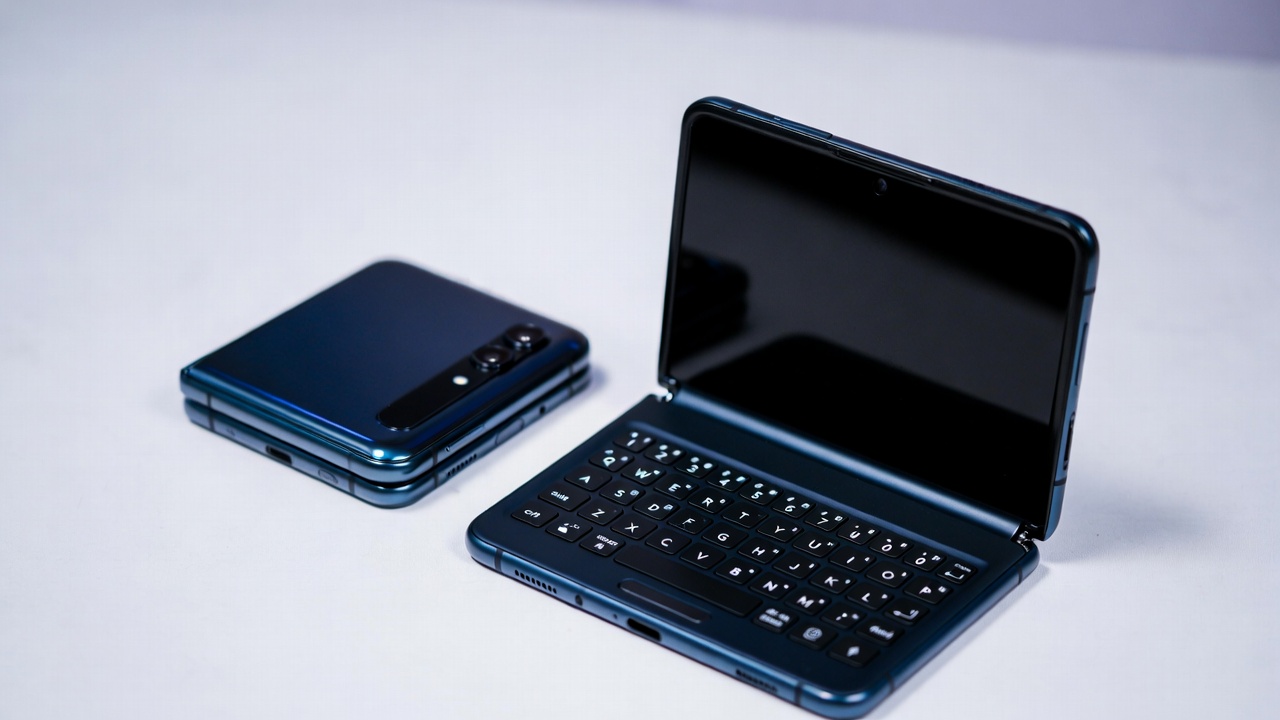
The foldable phone market has matured considerably since those early experimental models. Today’s devices fall into two distinct categories: book-style folds that open to reveal tablet-sized displays, and flip-style folds that create compact, pocket-friendly form factors from standard-sized phones.
Book-style foldables like the Samsung Galaxy Z Fold series, Google Pixel Fold, and OnePlus Open provide screens ranging from 7.6 to 8 inches when unfolded. These devices essentially give you a full tablet experience that collapses into something roughly the size of a traditional smartphone, though noticeably thicker. The outer cover screen lets you use the device normally when folded, while the inner display unlocks productivity features and immersive media consumption.
Flip-style foldables such as the Samsung Galaxy Z Flip, Motorola Razr, and OPPO Find N Flip take a different approach. They fold standard smartphone displays in half, creating extremely compact devices that fit comfortably in small pockets or bags. The trade-off is that you don’t gain additional screen real estate—instead, you’re optimizing for portability and style.
Current pricing reflects the premium nature of these devices. Book-style foldables typically range from $1,500 to $1,800, while flip-style options sit between $900 and $1,200. That’s a significant investment compared to conventional flagship phones at $800 to $1,200, which is why the value proposition needs careful consideration.
Real Productivity Benefits You’ll Actually Notice
Let’s address what genuinely improves when you switch to a foldable phone, particularly the book-style variants. These aren’t theoretical advantages—they’re practical improvements I’ve observed in daily use and confirmed through conversations with long-term foldable users.
The multitasking capability fundamentally changes how you work on mobile. Running three apps simultaneously on the unfolded display isn’t just a gimmick—it’s genuinely useful for reference workflows. I can have email open alongside a calendar and notes app, mimicking desktop productivity in a portable form factor. This matters most for professionals who frequently work away from their computers or need to be productive during commutes.
Content consumption reaches a different level on the larger display. Reading articles, reviewing documents, and editing spreadsheets becomes substantially more comfortable with the extra screen space. The difference between reading a PDF on a 6.3-inch phone versus a 7.6-inch foldable is more significant than the numbers suggest. Your eyes strain less, you scroll less frequently, and complex tables or diagrams become actually readable without constant zooming.
Video calls benefit enormously from the larger display and the ability to prop the device at various angles using the hinge. The flex mode on most foldables lets you position the phone like a laptop, with video on the top half and controls on the bottom. For remote workers who spend hours in video meetings, this creates a noticeably better experience than balancing a standard phone against random objects.
Creative work and note-taking sees real improvement as well. The larger canvas makes stylus input more practical for sketching, annotating documents, or taking handwritten notes. While not quite matching a dedicated tablet experience, it’s significantly better than trying to write on a standard phone screen.

The Durability Question: What Long-Term Testing Reveals
Durability concerns represent the biggest hesitation most people have about foldable phones, and for good reason. Early models had well-documented fragility issues that created justified skepticism about the entire category.
The situation has improved dramatically in recent generations. Modern foldable phones use ultra-thin glass (UTG) instead of plastic screens, significantly improving scratch resistance and providing a more premium feel. The hinge mechanisms have been redesigned multiple times, with current models rated for 200,000 to 400,000 folds—theoretically enough for opening and closing the device 100 to 200 times daily for five years.
Real-world durability tells a more nuanced story. The screens remain more vulnerable to scratches than traditional glass displays, requiring more careful handling. You cannot use them with screen protectors in the same way as regular phones because the folding mechanism doesn’t accommodate typical tempered glass protectors. Most manufacturers include factory-installed screen protectors, but these wear out and need professional replacement.
Dust and debris present ongoing concerns. While newer models have improved dust resistance ratings, the hinge mechanism inherently creates entry points that don’t exist on traditional phones. Users in dusty environments or those who frequently take their phones to beaches or construction sites report accelerated wear on hinge components.
Water resistance has reached IPX8 ratings on several models, meaning they can survive water immersion. However, this doesn’t protect against the ingress of fine particles, and the folding mechanism still represents a potential failure point that standard phones don’t have. Practical experience suggests treating foldable phones with slightly more care than you would conventional devices, which may or may not align with your lifestyle.
Performance and Software Optimization in 2026
Hardware specifications on current foldable phones match or exceed conventional flagship devices. You’re getting top-tier processors, ample RAM (typically 12GB or more), and storage options up to 1TB. Performance itself isn’t a compromise—these devices handle demanding tasks, gaming, and heavy multitasking without issues.
Software optimization has become the differentiating factor between good and excellent foldable experiences. The best implementations from Samsung, Google, and OnePlus offer sophisticated features that actually enhance productivity rather than just enabling larger screens. App continuity that seamlessly transfers your work from the cover screen to the inner display when you unfold the device, taskbar functionality that mimics desktop operating systems, and intelligent app pairing that remembers your preferred multitasking combinations all contribute to a refined experience.
However, app compatibility remains inconsistent. While major applications have been optimized for foldable displays, many smaller apps still treat the unfolded screen like an oversized phone, simply stretching content rather than intelligently using the additional space. This creates mixed experiences where some apps feel transformative on the larger display while others just look awkwardly scaled up.
Battery life presents an interesting challenge. The larger displays consume more power, but foldables also pack bigger batteries to compensate—typically 4,400mAh to 5,000mAh. In practice, most book-style foldables deliver similar battery life to conventional flagships when you account for usage patterns. You’ll likely use the outer screen for quick tasks and the inner screen for intensive work, which balances power consumption. Flip-style foldables generally offer slightly less battery life due to space constraints in the compact form factor.

Who Actually Benefits from Foldable Phones?
The value proposition of foldable phones varies dramatically based on individual use cases. Let me break down the profiles of users who will find these devices genuinely worthwhile versus those who probably won’t.
Heavy mobile workers who spend significant time away from computers see the most tangible benefits. If you frequently review documents, respond to detailed emails, or manage complex schedules while traveling, the productivity gains from the larger screen and multitasking capabilities can genuinely improve your efficiency. I know several consultants and field service professionals who swear by their foldables specifically because they reduce the need to carry tablets or laptops for moderate productivity tasks.
Content creators and media consumers also find substantial value in the form factor. If you watch videos, read extensively, or consume visual content for hours daily, the improved viewing experience on the larger display creates noticeable quality-of-life improvements. The difference becomes especially apparent during long flights or commutes where you’d otherwise strain to see content on a standard phone screen.
Gadget enthusiasts and early adopters naturally gravitate toward foldable phones for the innovation and conversation-starting factor. If you genuinely enjoy having the latest technology and can afford the premium pricing, the experience of using cutting-edge hardware provides its own value beyond pure practicality. These devices remain impressive conversation pieces that draw attention and questions wherever you use them.
Conversely, foldable phones probably aren’t worth it if you primarily use your phone for basic communication, social media, and casual photography. The premium pricing doesn’t deliver proportional value for these use cases—a conventional flagship phone at half the price will serve you equally well. Similarly, if you’re rough on your devices, work in harsh environments, or prioritize maximum durability, the inherent fragility of foldables makes them poor choices regardless of their features.
Comparing Costs: Premium Pricing vs Long-Term Value
The financial calculation for foldable phones extends beyond the initial purchase price. Let’s examine the total cost of ownership to understand whether the premium makes economic sense.
Initial investment for book-style foldables ranges from $1,500 to $1,800, while flip-style options cost $900 to $1,200. That’s $500 to $1,000 more than comparable conventional flagship phones with similar specifications. Over a typical two to three-year ownership period, you’re paying roughly $15 to $30 extra per month for the foldable form factor.
Insurance and repair costs require serious consideration. Screen repairs on foldable phones typically cost $400 to $600 compared to $200 to $300 for standard flagship repairs. Samsung and other manufacturers offer screen replacement programs that reduce costs, but you’re still looking at $150 to $250 for a single screen repair under these programs. Device insurance premiums also run higher for foldables due to increased claim frequency and repair costs.
Resale value on foldable phones has been trending downward faster than conventional flagships. The combination of newer models releasing regularly, durability concerns among buyers, and the niche market creates depreciation rates around 60-70% after two years compared to 50-60% for standard flagships. If you typically sell your old phone to offset upgrade costs, this represents an additional hidden expense.
The value equation shifts if you can genuinely replace another device with your foldable phone. Several users I’ve spoken with eliminated their tablets after switching to book-style foldables, finding the phone adequate for their tablet use cases. If you’re carrying both a phone and a small tablet currently, consolidating to a foldable phone at $1,600 instead of maintaining separate devices at a combined cost makes more financial sense. For those interested in optimizing their overall tech gadget ecosystem, this consolidation factor deserves consideration.
Camera Capabilities and Photography Considerations
Camera performance on foldable phones has reached parity with conventional flagships, though with some interesting nuances created by the unique form factors.
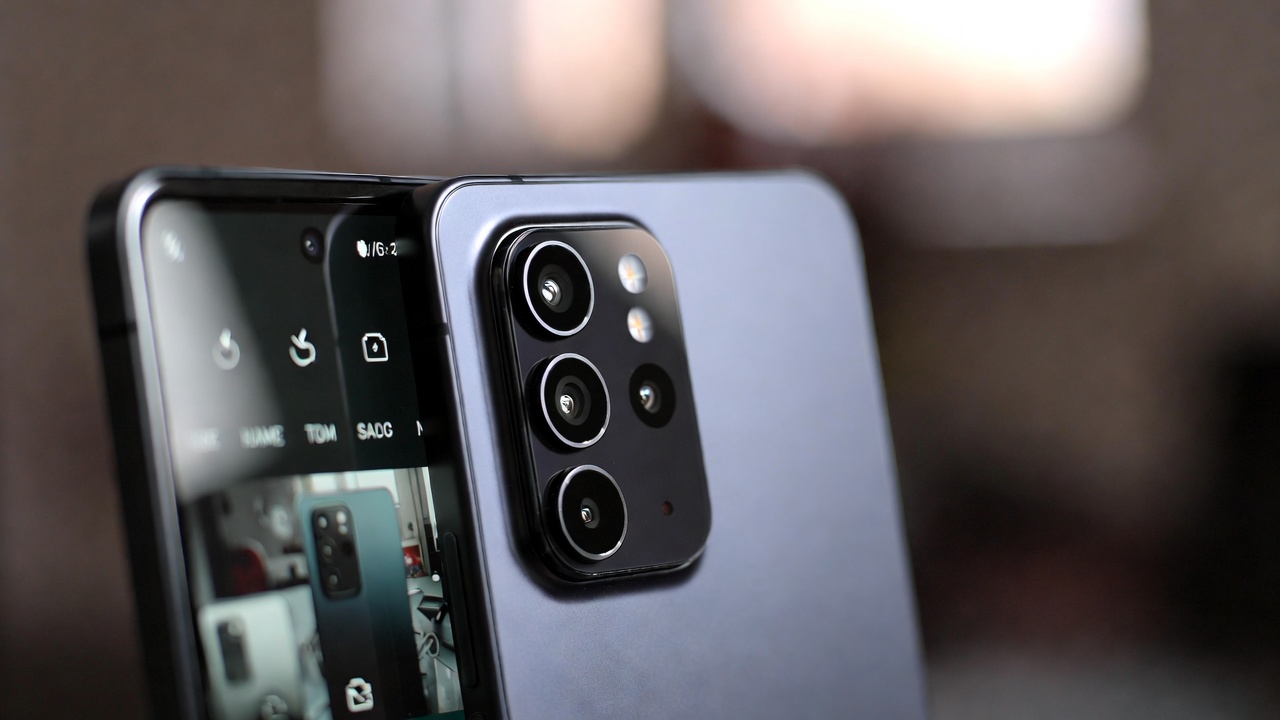
Book-style foldables typically include three to four camera sensors: a main wide camera, ultra-wide, telephoto, and sometimes a dedicated macro or depth sensor. Image quality from these systems matches what you’d find on conventional flagships from the same manufacturer. Samsung’s Z Fold 6, for instance, uses camera hardware nearly identical to the Galaxy S24 series, producing comparable photos in various lighting conditions.
The foldable design actually creates some photography advantages. The ability to prop the phone at various angles using the hinge enables better low-light photography with longer exposures and more creative framing options. You can also use the main camera system for selfies by using the cover screen as a viewfinder, which means your self-portraits benefit from significantly better camera hardware than the typical front-facing camera provides.
Video recording capabilities similarly match conventional flagships, with support for 4K at 60fps, advanced stabilization, and various creative modes. The form factor doesn’t compromise video quality, though the added thickness can make one-handed video recording slightly less comfortable during extended shoots.
The main photography limitation relates to zoom capabilities. To maintain slim profiles when folded, some manufacturers use less ambitious telephoto systems on their foldables compared to their flagship phones. This means you might get 3x optical zoom instead of 5x or 10x on comparable conventional devices. For users who prioritize maximum zoom range, this represents a meaningful trade-off.
Integration with Broader Tech Ecosystems
How foldable phones connect with your other devices and smart home systems affects their overall value proposition, particularly as we move toward more integrated technology experiences.
Samsung’s foldables integrate seamlessly with their broader Galaxy ecosystem, offering features like Universal Clipboard, easy file sharing between devices, and automatic syncing of settings across tablets, watches, and computers. If you’re already invested in Samsung’s ecosystem, a Galaxy Z Fold or Flip feels like a natural extension rather than an isolated device. The larger screen also provides better interfaces for controlling smart home automation systems through apps like SmartThings.
Google’s Pixel Fold similarly leverages deep integration with Google services and the broader Android ecosystem. Features like instant tethering to Chromebooks, seamless casting to Google TV devices, and integration with Nest smart home products create cohesive experiences. The larger display makes managing multiple Google accounts and services more practical than on standard phones.
Cross-platform considerations matter for users who maintain devices across different ecosystems. If you use an iPhone alongside a Windows PC and various smart home voice assistants, a foldable Android phone adds complexity rather than solving it. The benefits of the form factor don’t overcome the friction of maintaining multiple disconnected ecosystems.
Accessory compatibility represents another ecosystem consideration. Cases for foldable phones are more expensive and less varied than options for conventional phones. Wireless charging works but requires more precise positioning due to the device’s thickness. Car mounts, armbands for exercise, and other accessories often need foldable-specific versions that cost more and offer fewer choices.
Common Concerns and Practical Limitations
Beyond durability worries, several practical limitations affect the daily experience of using foldable phones. Understanding these helps set realistic expectations.
Weight and bulk become noticeable factors with book-style foldables. These devices typically weigh 250-280 grams compared to 170-200 grams for standard flagships. That extra 80-100 grams might not sound significant, but you feel it in your pocket throughout the day. The thickness when folded—usually 13-16mm—also creates a noticeable bulge that takes adjustment if you’re accustomed to slimmer phones.
The visible crease down the center of the display, while improved in recent generations, remains detectable both visually and tactilely. You stop noticing it consciously after a few days of use, but it’s particularly visible when viewing light-colored content or using the screen at certain angles. Whether this bothers you depends on your sensitivity to display imperfections.
One-handed use becomes challenging with book-style foldables even when folded, due to their width and weight. You’ll find yourself using two hands more frequently than with conventional phones, which affects how you interact with the device in situations where you’re carrying items or need to type quickly while standing.
Gaming experiences on foldables present mixed results. While the larger screen creates more immersive gameplay for certain genres, the aspect ratio of unfolded displays doesn’t always align well with game interfaces designed for standard phones. Some games display with black bars, others stretch awkwardly, and only the best-optimized titles fully utilize the additional screen space effectively.
Making the Decision: Is a Foldable Phone Right for You?
After examining all these factors, the decision framework becomes clearer. Here’s how to evaluate whether foldable phones make sense for your specific situation in 2026.
Start by honestly assessing your current device usage patterns. If you frequently find yourself wishing for a larger screen while using your phone, regularly carry both a phone and tablet, or spend multiple hours daily on your phone for work tasks, the productivity benefits justify serious consideration. Track how you actually use your current device for a week—you might be surprised by where a larger screen would genuinely help versus where it’s unnecessary.
Budget reality requires confronting the premium pricing directly. Can you afford the $1,500-plus price tag without financial strain? More importantly, does the value you’ll extract from the device justify that cost compared to alternatives? A $1,600 foldable phone might deliver tremendous value if it lets you eliminate a $500 tablet and makes you noticeably more productive. That same device makes poor financial sense if you rarely multitask and primarily use your phone for messaging and social media.
Your lifestyle and environment matter significantly. If you work in rugged conditions, frequently drop devices, or engage in activities where durability is paramount, conventional phones remain the safer choice regardless of foldable advantages. Conversely, if you work in climate-controlled environments and are generally careful with electronics, the durability concerns become manageable rather than prohibitive.
Consider your position in the upgrade cycle. If you typically keep phones for three to four years, waiting one more generation might be prudent as prices continue to decrease and durability improves. If you upgrade annually or every two years, jumping in now provides more time to benefit from the technology before your next upgrade.
The ecosystem factor ties everything together. If you’re heavily invested in one manufacturer’s ecosystem—particularly Samsung or Google—their foldables integrate seamlessly with your existing devices and services, adding value beyond the hardware itself. If you maintain a mixed ecosystem or aren’t particularly invested in any single platform, the ecosystem benefits disappear as a decision factor.
Conclusion
So, are foldable phones worth it in 2026? The answer genuinely depends on your specific circumstances rather than being a universal yes or no.
For mobile professionals who genuinely benefit from increased screen real estate, content creators who consume media extensively, or technology enthusiasts who value innovation and can absorb the premium pricing, foldable phones deliver meaningful advantages that justify their costs. The productivity gains are real, the technology has matured substantially, and the ecosystem integration creates genuinely useful workflows that conventional phones can’t match.
For everyone else—particularly those who use phones primarily for communication, casual content consumption, and photography—conventional flagship phones at significantly lower prices provide better value. The foldable premium doesn’t translate into proportional benefits for these use cases, and the durability concerns remain legitimate enough to warrant caution.
My recommendation: if you’re seriously considering a foldable phone, try to spend time with one before purchasing. Many carriers and retailers offer demo units, and the hands-on experience reveals whether the form factor genuinely enhances your workflow or simply represents expensive novelty. The decision should emerge from practical evaluation rather than theoretical advantages. For more insights on the latest developments in mobile technology and smartphone trends, explore our comprehensive technology resources to help make informed decisions about your next device.
🛒 Recommended Products for Foldable Phones
Based on the foldable phones discussed in this article, we’ve curated a selection of top-rated devices and accessories that deliver exceptional performance and value. These recommendations are carefully chosen to help you implement the solutions that best fit your needs and budget.




- Best Cheap Smartwatch Under $50
 Best Cheap Smartwatch Under $50: 5 Reliable Picks for 2026 By Sanso Uka If you’re hunting for the best cheap smartwatch under $50, you probably expect to sacrifice features like… Read more: Best Cheap Smartwatch Under $50
 - Best Dash Cams of 2026
 Best Dash Cams of 2026: Top Picks for Every Driver and Budget By Wanderson Nogueira Martins Choosing the best dash cam in 2026 means navigating a market that has improved… Read more: Best Dash Cams of 2026
 - How to Transfer Data to New Phone
 How to Transfer Data to a New Phone: A Step-by-Step Guide for 2026 By Sanso Uka Upgrading to a new smartphone is exciting, but the thought of moving all your… Read more: How to Transfer Data to New Phone
 - Senior-Friendly Smartphones 2026
 Senior-Friendly Smartphones 2026: Best Overall Picks for Every Budget By Sanso Uka Senior-friendly smartphones in 2026 have come a long way from the oversimplified “big button” phones of a decade… Read more: Senior-Friendly Smartphones 2026
 - Best Mechanical Keyboards in 2026
 Best Mechanical Keyboards in 2026 Best Mechanical Keyboards in 2026: Top Picks for Every Budget and Use Case By Sanso Uka Finding the best mechanical keyboard in 2026 means navigating… Read more: Best Mechanical Keyboards in 2026
 - Best Monitor for Home Office 2026
 Best Monitor for Home Office 2026: Expert Picks & Buying Guide By Sanso Uka Your monitor is the window to your digital work life—spend eight hours staring at a mediocre… Read more: Best Monitor for Home Office 2026
 - How to Extend Smartphone Battery Life
 How to Extend Smartphone Battery Life: 12 Practical Tips That Actually Work By Sanso Uka You unplugged your phone at 8 AM, and by 2 PM you’re hunting for a… Read more: How to Extend Smartphone Battery Life
 - Best E-Readers in 2026
 Best E-Readers in 2026: Which One Is Actually Worth Buying? Best E-Readers in 2026: Which One Is Actually Worth Buying? By Sanso Uka If you’re looking for the best e-reader… Read more: Best E-Readers in 2026
 - Refurbished vs New Laptop
 Refurbished vs New Laptop: Which Should You Buy in 2026? By Sanso Uka When you’re in the market for a laptop, the first fork in the road is choosing between… Read more: Refurbished vs New Laptop