
Best Smartphone Cost Benefit Analysis: Smart Spending in 2026
Finding the best smartphone cost benefit ratio is one of the smartest financial decisions you can make today. Whether you’re upgrading your old phone or buying your first smartphone, understanding what features actually matter versus what’s just marketing hype can save you hundreds of dollars while ensuring you get a device that truly fits your needs. In this guide, I’ll walk you through evaluating smartphone cost benefit across different price points, helping you make an informed choice that balances performance, durability, and value.
I remember standing in a cell phone store a few years ago, overwhelmed by options. The sales representative kept pushing the most expensive flagship model, but I realized I didn’t need most of its features. That experience taught me that smartphones today come in many tiers, and the best value often isn’t at the top or bottom of the price spectrum.
Let’s break down how to evaluate smartphone cost benefit so you’re not leaving money on the table or compromising on features you actually need for your daily life.

Understanding Smartphone Cost Benefit: What Really Matters
When evaluating smartphone cost benefit, most people focus on price alone. That’s a mistake. The real question isn’t “What’s the cheapest phone?” but rather “What value am I getting for my money?” Cost benefit means comparing what you’re paying against what you’re receiving in terms of features, performance, and longevity.
Think of it this way: a $200 phone might seem like great savings compared to a $1,000 flagship, but if it dies after 18 months while the expensive option lasts five years, the cost per year of ownership tells a very different story. That’s where smartphone cost benefit analysis becomes crucial to your decision-making process.
The best smartphone cost benefit rarely comes from either extreme. Budget phones under $150 often have poor performance, weak cameras, and limited software support. Flagship phones over $1,200 pack features most users never use. The sweet spot typically lives in the $300-$700 range, where you get solid performance, good longevity, and features that actually enhance daily life.
Understanding this difference between price and value is what separates smart shoppers from those who regret their purchases.

Key Features That Impact Smartphone Cost Benefit
Not all smartphone features are created equal when it comes to delivering value. Some upgrades genuinely improve your daily experience, while others are marketing gimmicks that add cost without meaningful benefit. Understanding this distinction is essential for evaluating smartphone cost benefit.
Let me share what actually moves the needle versus what’s just nice to have:
- Processing Power (High Impact): A good processor ensures your phone runs smoothly for 3-4 years. Mid-range processors today handle everything most people need. You only need flagship processors if you’re gaming seriously or doing video editing.
- Battery Capacity (High Impact): A phone that barely lasts a day is frustrating. Look for phones with 4,500+ mAh batteries and efficient processors. This directly affects daily usability and long-term satisfaction with your purchase.
- Screen Quality (High Impact): You interact with your screen thousands of times daily. A decent 6-6.5 inch display with 1080p resolution provides excellent smartphone cost benefit. OLED screens look nicer but aren’t essential for basic use.
- Camera Quality (Medium Impact): Most phones today take excellent photos in good lighting. The difference between a $400 and $1,000 phone’s camera is less noticeable than marketing suggests, especially if you’re not a photography enthusiast.
- Brand Name (Low Impact): Premium brands charge for heritage and marketing. A lesser-known brand with identical specs often provides better smartphone cost benefit, though software support may be shorter.
- Design and Materials (Low Impact): Glass backs and premium metals look nice but crack easily. A plastic back is more durable and less noticeable with a case, which most people use anyway.
The smartphone cost benefit sweet spot focuses on the high-impact features: processing power, battery, and screen quality. Skip the premium materials and gimmicky cameras if budget is a concern.
Budget Smartphones: Cost Benefit Analysis
Budget smartphones under $250 have improved dramatically in recent years. If you primarily text, browse social media, watch videos, and take casual photos, a budget phone might offer excellent smartphone cost benefit for your needs.
However, you need to understand what you’re sacrificing. Budget phones typically feature slower processors, smaller batteries, lower-resolution cameras, and shorter software support (often 2-3 years of updates instead of 5-6 years). The display quality is functional but not exceptional, and you might experience occasional slowdowns during heavy multitasking.
The smartphone cost benefit calculation here depends on your usage. A heavy app user or gamer will feel frustrated with a budget phone. Someone checking email and browsing? They’ll be perfectly happy. I had a friend use a budget Android phone for basic tasks, and she absolutely loved saving $600 compared to a flagship model.
Best budget options typically come from established brands like Samsung, Motorola, or Google’s basic Pixel line rather than completely unknown manufacturers. You’re paying slightly more, but the software support and reliability make it worth the difference for smartphone cost benefit.

Mid-Range Smartphones: The Sweet Spot for Smartphone Cost Benefit
This is where you’ll find exceptional smartphone cost benefit for most people. Mid-range phones ($300-$700) represent the ideal intersection of performance, features, and price. You’re looking at devices that handle demanding tasks smoothly, take great photos, have excellent battery life, and receive software updates for 4-5 years.
Mid-range phones often use slightly older flagship processors from previous years, which is absolutely fine. Last year’s “premium” chip is faster than this year’s mid-range option, but honestly? You won’t notice the difference in real-world usage. Apps open instantly, games run smoothly, and multitasking is seamless.
In my experience, this is where smartphone cost benefit peaks. You’re not paying for cutting-edge technology you don’t need, but you’re not sacrificing reliability or performance either. A $500 Samsung Galaxy A series or Motorola Edge provides exceptional smartphone cost benefit compared to spending $1,200 on a flagship.
Battery life at this price point is typically 2-3 full days with moderate use, which genuinely matters for daily convenience. You’ll take photos that rival flagship cameras for 95% of situations. The screen is bright, responsive, and a pleasure to look at all day.
Most people find their optimal smartphone cost benefit in this tier. You’re paying enough to get genuine quality and longevity, but not throwing money at premium branding and marginal upgrades.
Premium and Flagship Phones: Diminishing Smartphone Cost Benefit
Flagship phones costing $1,000+ pack impressive technology. Ultra-fast processors, outstanding cameras with zoom capabilities, premium materials, and cutting-edge displays. But here’s the critical question about smartphone cost benefit: do these features justify the price premium?
For most people, the answer is no. The difference between a mid-range phone and a flagship in real-world usage is surprisingly small. Both check email, run apps, and take beautiful photos. The flagship takes slightly better photos with better zoom, and the processor is marginally faster. Most users won’t notice these differences during normal use.
Flagship phones make sense for specific people: professional photographers, content creators, heavy gamers, or someone who keeps phones for 5+ years and values top-tier performance the entire time. For casual users? Flagship phones represent poor smartphone cost benefit—you’re paying premium prices for premium features you’ll rarely use.
The worst part is that flagship phones still break or need replacement after 3-4 years like any other device. You’ve paid twice as much for a slightly faster device that will eventually become obsolete anyway. The smartphone cost benefit equation just doesn’t work out.
One exception: if you buy a flagship during sales or clearance when a new model launches, you might find acceptable smartphone cost benefit. Last year’s flagship at 40% off sometimes makes sense. Full price? Almost never does for average users.

Smartphone Cost Benefit Over Time: Total Cost of Ownership
Here’s what many people miss when analyzing smartphone cost benefit: you need to think about total cost of ownership, not just purchase price. This includes the device cost, carrier plan, accessories, repairs, and longevity.
A $200 phone that lasts 2 years costs $100 per year. A $800 phone that lasts 5 years costs $160 per year. Suddenly the expensive option doesn’t look so bad. Add in the fact that carrier plans are the same regardless of phone price, and the smartphone cost benefit gets even more interesting.
Durability matters enormously for smartphone cost benefit. A device that survives drops, water exposure, and heavy use for 4-5 years beats a cheaper phone that dies after 2 years. This is where brand reliability comes into play—you’re not just buying current specs, you’re buying a phone engineered to last.
Consider software support too. Phones receiving 5-6 years of security updates and OS upgrades maintain functionality and security far longer than devices cut off after 2 years. This dramatically improves long-term smartphone cost benefit.
Resale value also impacts the equation. Popular mid-range and flagship phones maintain resale value better than budget options. If you sell your phone after 2-3 years, that money reduces your effective cost and improves smartphone cost benefit for the next purchase.
Practical Tips for Maximizing Smartphone Cost Benefit
Now that you understand the smartphone cost benefit landscape, here are practical strategies to get the best value:
- Buy Previous-Generation Models: When new phones launch, last year’s flagship drops 30-40% in price while performance changes only slightly. This is where smartphone cost benefit becomes exceptional.
- Choose Established Brands: Samsung, Apple, Google, and Motorola offer longer software support and better reliability. Lesser-known brands might be cheaper, but worse smartphone cost benefit overall due to shorter support periods.
- Skip Carrier Financing: Buying outright or through third parties often saves money compared to carrier financing deals. Your smartphone cost benefit improves when you’re not paying finance charges.
- Wait for Sales Events: Black Friday, holiday sales, and new model launches create opportunities for excellent smartphone cost benefit. Patience can save $100-300.
- Use a Protective Case: A $20 case prevents a $300+ repair or replacement. This is the best smartphone cost benefit investment many people overlook.
- Extend Your Replacement Cycle: Keeping phones 4-5 years instead of 2-3 years dramatically improves cost benefit by spreading the purchase price over more time.
- Check Battery Health: If a phone’s battery is degrading, replacing it ($30-50) improves longevity better than buying a new phone, dramatically increasing smartphone cost benefit.
The key to maximizing smartphone cost benefit is thinking strategically about your usage, timeline, and what features actually matter to your daily life.
Making Your Smartphone Cost Benefit Decision
Evaluating smartphone cost benefit comes down to honest self-assessment. What do you actually do with your phone? Are you a heavy gamer or content creator? Do you take professional-quality photos? Or do you mostly message, browse, and watch videos?
Your honest answer determines your smartphone cost benefit sweet spot. If you do intensive tasks, the mid-to-premium range makes more sense. If you’re a casual user, budget or basic mid-range phones offer excellent smartphone cost benefit.
Consider how long you plan to keep the phone. If you replace devices every 2 years anyway, overpaying for durability doesn’t improve smartphone cost benefit. If you keep phones 4+ years, investing in quality significantly helps.
Don’t be swayed by sales pressure or peer comparisons. Someone else’s optimal smartphone cost benefit choice isn’t yours. What matters is getting a device that handles your needs reliably while respecting your budget.
The best smartphone is the one that matches your actual usage patterns at a price that doesn’t strain your finances. That’s where real smartphone cost benefit lives—not in the specs, but in how well the phone serves your life without unnecessary expense.
🛒 Recommended Products for Smartphone Cost Benefit
Based on the smartphone cost benefit analysis discussed in this article, we’ve curated a selection of top-rated phones across different price tiers that deliver exceptional performance and value. These recommendations are carefully chosen to help you find the best smartphone cost benefit that fits your needs and budget.





- Best Cheap Smartwatch Under $50
 Best Cheap Smartwatch Under $50: 5 Reliable Picks for 2026 By Sanso Uka If you’re hunting for the best cheap smartwatch under $50, you probably expect to sacrifice features like built‑in GPS or premium materials. And you’d be right—but that doesn’t mean you have to settle for a gadget that feels like a toy. Over… Read more: Best Cheap Smartwatch Under $50
 - Best Dash Cams of 2026
 Best Dash Cams of 2026: Top Picks for Every Driver and Budget By Wanderson Nogueira Martins Choosing the best dash cam in 2026 means navigating a market that has improved dramatically — 4K front cameras are now standard at mid-range prices, built-in LTE connectivity is no longer a premium feature, and parking mode has gotten… Read more: Best Dash Cams of 2026
 - How to Transfer Data to New Phone
 How to Transfer Data to a New Phone: A Step-by-Step Guide for 2026 By Sanso Uka Upgrading to a new smartphone is exciting, but the thought of moving all your contacts, photos, apps, and settings can be daunting. If you’ve just bought a new device, knowing how to transfer data to new phone without losing… Read more: How to Transfer Data to New Phone
 - Senior-Friendly Smartphones 2026
 Senior-Friendly Smartphones 2026: Best Overall Picks for Every Budget By Sanso Uka Senior-friendly smartphones in 2026 have come a long way from the oversimplified “big button” phones of a decade ago. The best options today combine genuine usability — large readable screens, loud clear speakers, intuitive interfaces — with real safety features like fall detection… Read more: Senior-Friendly Smartphones 2026
 - Best Mechanical Keyboards in 2026
 Best Mechanical Keyboards in 2026 Best Mechanical Keyboards in 2026: Top Picks for Every Budget and Use Case By Sanso Uka Finding the best mechanical keyboard in 2026 means navigating more choices than ever — hot-swap switches, gasket mounts, wireless connectivity, and per-key RGB are no longer premium features reserved for $200+ boards. Whether you… Read more: Best Mechanical Keyboards in 2026
 - Best Monitor for Home Office 2026
 Best Monitor for Home Office 2026: Expert Picks & Buying Guide By Sanso Uka Your monitor is the window to your digital work life—spend eight hours staring at a mediocre screen and you’ll feel it in your eyes, neck, and productivity. As we head into 2026, the best monitor for home office 2026 isn’t just… Read more: Best Monitor for Home Office 2026
 - How to Extend Smartphone Battery Life
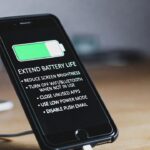 How to Extend Smartphone Battery Life: 12 Practical Tips That Actually Work By Sanso Uka You unplugged your phone at 8 AM, and by 2 PM you’re hunting for a charger. It’s a scenario almost every smartphone user knows too well. Battery degradation is inevitable, but how you use and charge your phone daily makes… Read more: How to Extend Smartphone Battery Life
 - Best E-Readers in 2026
 Best E-Readers in 2026: Which One Is Actually Worth Buying? Best E-Readers in 2026: Which One Is Actually Worth Buying? By Sanso Uka If you’re looking for the best e-reader in 2026, the honest answer is that the market has never been better — or more confusing. Kindle still dominates, Kobo keeps gaining ground, and… Read more: Best E-Readers in 2026
 - Refurbished vs New Laptop
 Refurbished vs New Laptop: Which Should You Buy in 2026? By Sanso Uka When you’re in the market for a laptop, the first fork in the road is choosing between a refurbished vs new laptop. It’s a decision that affects your wallet, your daily performance, and how long you’ll keep the machine. In this guide,… Read more: Refurbished vs New Laptop
 - Best Gaming Headsets Under $100
 Best Gaming Headsets Under $100 in 2026: Top Picks for Every Platform By Sanso Uka Finding the best gaming headset under $100 used to mean making real sacrifices — tinny audio, a mic that sounded like you were calling from underwater, or ear cups that became unbearable after 90 minutes. That’s no longer true. In… Read more: Best Gaming Headsets Under $100
 - How Long Do Laptops Last
 How Long Do Laptops Really Last? A Practical Guide to Lifespan By Sanso Uka If you are shopping for a new computer or trying to squeeze another year out of your current machine, the first question is usually practical: how long do laptops last? The honest answer is between three and eight years, but the… Read more: How Long Do Laptops Last