
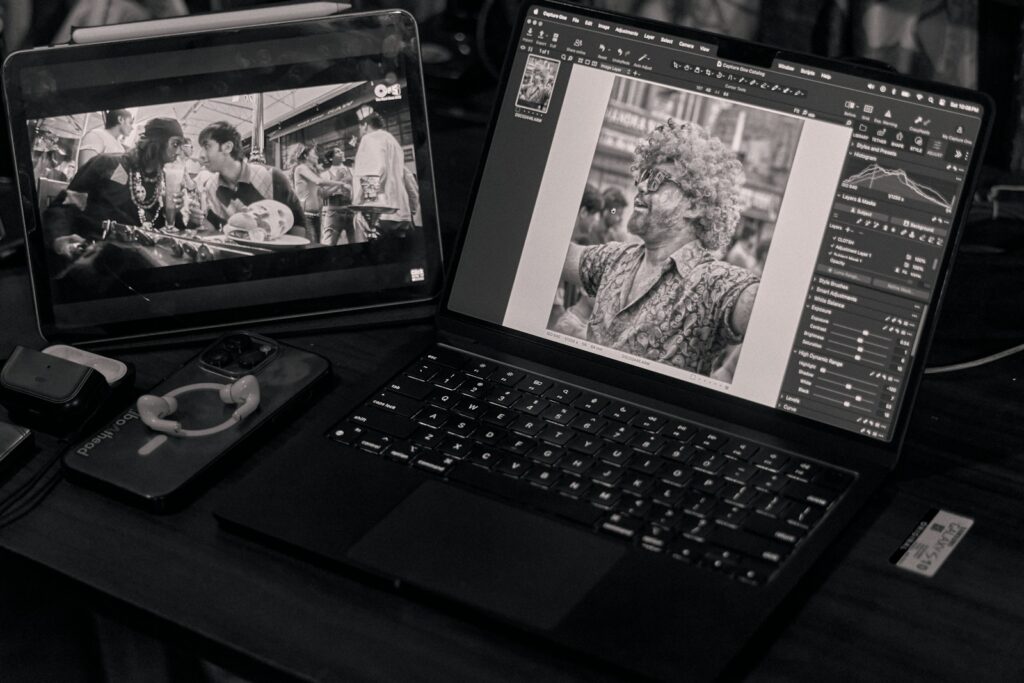
Complete Guide to Laptops & Tablets for 2026
Choosing between laptops & tablets has become more complex as these devices continue to evolve and blur traditional boundaries. Whether you’re a student, professional, creative, or casual user, understanding what each device offers helps you make the right investment. I’ve tested dozens of devices over the years, and the decision really comes down to how you plan to use your device daily.
The computing landscape in 2026 offers incredible options at every price point. Laptops deliver raw power and versatility, while tablets excel at portability and touch-based interaction. Some devices even combine both worlds, offering flexibility that adapts to different tasks and situations throughout your day.
In this comprehensive guide, we’ll explore everything you need to know about selecting laptops & tablets that match your lifestyle, work requirements, and budget. From understanding technical specifications to choosing the right accessories, you’ll gain practical insights that help you invest wisely in portable computing technology.

Understanding the Key Differences Between Laptops and Tablets
The fundamental differences between laptops & tablets go beyond just form factor. Each device category serves different purposes, and understanding these distinctions helps you choose correctly for your specific needs.
Laptops feature physical keyboards, more powerful processors, and extensive storage options. They run full desktop operating systems like Windows, macOS, or Linux, giving you access to professional software and complex multitasking capabilities. The clamshell design protects the screen during transport and provides a stable typing platform.
Tablets prioritize portability and touch interaction with lightweight designs and instant-on functionality. They typically run mobile operating systems optimized for touch input, though some now support desktop-class applications. Modern tablets offer impressive performance for media consumption, web browsing, and even creative work with the right accessories.
Hybrid devices blur these lines by offering detachable keyboards, 360-degree hinges, or dual-mode functionality. These 2-in-1 devices attempt to deliver the best of both worlds, though they often involve compromises in weight, battery life, or performance compared to dedicated devices.

Essential Specifications to Consider When Buying
Technical specifications determine how well your device performs, but understanding what really matters prevents overspending on features you won’t use. Here’s what actually impacts your daily experience with laptops & tablets.
Processor power affects everything from boot times to multitasking capabilities. For basic web browsing and document editing, mid-range processors handle tasks smoothly. Video editing, gaming, or software development require more powerful CPUs. Intel Core i5 or AMD Ryzen 5 processors offer excellent balance for most users, while i7/Ryzen 7 or higher suits demanding professional work.
- RAM Memory: 8GB handles basic multitasking adequately, while 16GB provides comfortable headroom for most professional work. Power users running virtual machines or heavy creative applications benefit from 32GB or more. Tablets typically function well with 4-6GB due to mobile operating system efficiency.
- Storage Capacity: SSDs have replaced traditional hard drives in modern devices, offering faster performance and better reliability. 256GB works for basic use, 512GB suits most users comfortably, and 1TB or more accommodates large media libraries or professional files. Cloud storage can supplement device storage effectively.
- Display Quality: Resolution, brightness, and color accuracy matter for extended use. 1920×1080 (Full HD) remains the practical minimum, while 2560×1440 (2K) or 3840×2160 (4K) benefit content creators and detail-oriented work. Consider screen size relative to portability needs—13-14 inches balances portability and usability.
- Battery Life: Real-world battery performance varies significantly from manufacturer claims. Look for devices offering 8-10 hours of actual usage, not just standby time. Tablets generally achieve longer battery life than laptops due to more efficient mobile processors and optimized operating systems.
Don’t get caught up in specification comparisons that don’t affect your actual usage. A device with slightly lower specs but better build quality and user experience often serves you better than one with impressive specifications but poor execution.
When shopping for devices, consider trying them in person when possible. Keyboard feel, trackpad responsiveness, and screen quality matter more than specification sheets suggest. What feels comfortable during a 5-minute store test becomes critical during 8-hour work sessions.
Best Laptop Categories for Different Users
Laptops come in distinct categories designed for specific use cases. Understanding which category fits your needs prevents buying the wrong device for your situation.
Ultrabooks prioritize portability with thin, lightweight designs and long battery life. They’re perfect for students, business travelers, and anyone who works on the go. Expect decent performance for productivity tasks but limited gaming or heavy creative work capabilities. Quality ultrabooks range from $800-1,500.
Gaming laptops pack powerful graphics cards and high-refresh-rate displays for smooth gaming performance. They handle video editing and 3D modeling excellently but sacrifice portability with bulkier designs and shorter battery life. These devices typically cost $1,200-3,000+ depending on performance level.
Workstation laptops target professionals needing maximum performance for demanding applications. They feature powerful CPUs, professional-grade GPUs, and extensive RAM capacity. Engineers, architects, and video professionals benefit from these capabilities, though prices start around $2,000 and climb quickly.
Budget laptops offer basic computing capabilities at accessible prices, typically $300-700. They work well for simple tasks like web browsing, streaming, and document editing. However, limited performance and build quality mean they’re best for light, occasional use rather than daily professional work.

Tablet Options and Use Cases
Modern tablets serve diverse purposes beyond simple media consumption. Understanding tablet categories helps you choose devices that actually meet your computing needs.
Premium tablets like iPad Pro or high-end Android tablets rival laptops in performance and capability. They support professional creative applications, offer excellent displays with stylus support, and handle multitasking effectively. With keyboard attachments, they become versatile productivity tools. Expect to invest $800-1,500 for flagship tablets plus accessories.
Mid-range tablets balance performance and affordability, offering solid capabilities for entertainment and light productivity. They typically cost $300-600 and handle everyday tasks smoothly without premium features like high refresh rates or advanced stylus support. These represent the sweet spot for most casual users.
Budget tablets serve specific purposes like reading, streaming, or giving kids a device without risking expensive hardware. They function adequately for basic tasks but struggle with demanding applications or heavy multitasking. Prices range from $100-300, making them accessible entry points to tablet computing.
E-readers technically qualify as tablets but focus exclusively on reading with e-ink displays that mimic paper. They offer weeks of battery life and exceptional outdoor readability. If reading is your primary tablet use, dedicated e-readers provide superior experiences at $100-300 price points.
Essential Accessories for Laptops and Tablets
The right accessories extend functionality and protect your investment in laptops & tablets. After years of mobile computing, I’ve learned which accessories actually provide value versus those that collect dust.
Protective cases are essential for tablets and recommended for laptops you transport frequently. Hardshell cases for laptops add minimal bulk while protecting against scratches and minor impacts. Tablet cases with built-in stands enhance usability while protecting screens. Quality protection costs $20-60 depending on device size and protection level.
External mice improve productivity significantly compared to trackpads alone, especially during extended work sessions. Wireless mice eliminate cable clutter and work seamlessly with both laptops and tablets supporting mouse input. Comfortable, reliable mice cost $15-50 for basic models or $50-100 for ergonomic or gaming-focused options.
USB hubs and docking stations expand connectivity options, particularly important as devices shed physical ports for thinner designs. A quality hub adds HDMI output, additional USB ports, SD card readers, and sometimes ethernet connectivity. Expect to spend $30-100 for hubs with adequate port selection and reliable performance.
External keyboards transform tablets into productive workstations. Bluetooth keyboards work with any device, while some tablets offer proprietary keyboard attachments with enhanced integration. Portable folding keyboards fit in bags easily, while full-size keyboards provide comfortable typing for desk use. Prices range from $25 for basic portable keyboards to $150+ for premium mechanical options.
Laptop stands improve ergonomics by raising screens to eye level, reducing neck strain during extended use. Adjustable stands accommodate different viewing angles and device sizes. Portable stands fold flat for travel, while desktop stands prioritize stability and adjustability. Quality stands cost $20-60.

Operating System Considerations
Operating systems significantly impact your experience with laptops & tablets, affecting available software, user interface, and ecosystem integration. Choosing the right OS matters as much as hardware specifications.
Windows remains the most versatile laptop operating system with extensive software compatibility and hardware options at every price point. It works well for both productivity and entertainment, supports the widest range of applications, and offers familiar interfaces for most users. Windows suits users who need maximum software flexibility or specific applications unavailable on other platforms.
macOS provides a refined, cohesive experience with excellent build quality and strong ecosystem integration with iPhones and iPads. MacBooks excel for creative professionals, though the premium pricing puts them beyond many budgets. The controlled hardware ecosystem ensures consistent performance and longevity but limits configuration options.
Chrome OS powers Chromebooks with a lightweight, cloud-focused approach that works well for education and basic computing needs. These devices boot quickly, offer excellent battery life, and resist malware effectively. However, they depend heavily on internet connectivity and support fewer native applications compared to Windows or macOS.
iOS and iPadOS dominate premium tablets with polished interfaces, extensive app ecosystems, and excellent security. They provide intuitive touch-based interaction and powerful creative applications. Android tablets offer more variety and price flexibility but with more fragmented software support across different manufacturers.
Common Buying Mistakes to Avoid
I’ve made plenty of mistakes buying portable computing devices over the years, and I’ve watched others make similar errors. Learning from these common pitfalls saves money and frustration.
Overbuying performance you don’t need wastes money that could go toward better displays, build quality, or accessories. That maxed-out gaming laptop seems appealing, but if you primarily browse the web and edit documents, you’re paying for unused capability. Be honest about your actual computing needs rather than aspirational ones.
Underestimating storage requirements leads to constant file management headaches. Cloud storage helps but doesn’t replace adequate local storage for applications, working files, and offline access. If you’re debating storage tiers, choosing the larger option usually proves worthwhile over the device’s lifespan.
Ignoring battery life specifications creates mobility problems. Manufacturers quote best-case scenarios that rarely match real-world usage. Research actual user experiences to understand realistic battery performance before committing to devices you plan to use unplugged frequently.
Buying outdated models to save money can backfire if the device lacks current connectivity standards, operating system support, or performance for modern applications. Last year’s flagship often offers better value than current budget models, but devices more than 2-3 years old may have limited useful life remaining.
Focusing solely on specifications while ignoring build quality and user experience leads to regret. Cheap plastics, poor hinges, terrible trackpads, and dim screens make even powerful devices frustrating to use daily. Whenever possible, physically examine devices before purchasing to assess these crucial but unquantifiable factors.
Maximizing Value When Shopping
Smart shopping strategies help you get the best laptops & tablets for your budget without compromising on quality or necessary features.
Educational discounts provide significant savings for students, teachers, and educational staff. Apple, Microsoft, Dell, and other manufacturers offer 10-15% discounts plus occasional bonus accessories. Verify eligibility through .edu email addresses or educational institution identification.
Refurbished devices from manufacturer-certified programs offer substantial savings with minimal risk. These devices undergo testing and repair, include warranties, and function like new at 15-30% off retail prices. Avoid third-party refurbishers without strong reputations and clear warranty terms.
Seasonal sales around back-to-school periods, Black Friday, and new model releases create optimal buying opportunities. Manufacturers discount previous generations significantly when introducing new models, and these older versions often provide 90% of the performance at much lower prices.
Configuration flexibility on manufacturer websites sometimes offers better value than preconfigured retail models. Customize RAM and storage while avoiding overpriced upgrades to components easily changed later. However, compare customized pricing against retailer sales before assuming manufacturer-direct provides the best deal.
Extended warranties and protection plans make sense for expensive devices or situations with high damage risk. Accidental damage protection covers drops and spills that standard warranties exclude. Evaluate your usage patterns and risk tolerance—careful users in low-risk environments may skip extended coverage, while mobile professionals or students benefit from added protection.

Maintaining Your Devices for Longevity
Proper maintenance extends the useful life of laptops & tablets significantly, protecting your investment and maintaining performance over years of use.
Regular cleaning prevents dust buildup that causes overheating and performance throttling. Compressed air removes dust from keyboard and ventilation areas every few months. Microfiber cloths clean screens without scratching, while slightly damp cloths wipe down surfaces. Avoid harsh chemicals that damage screen coatings or plastic finishes.
Battery health management maximizes longevity of rechargeable batteries. Avoid leaving devices plugged in constantly at 100% charge, which accelerates battery degradation. Many modern devices include battery management features that limit maximum charge to extend battery lifespan. If using devices primarily at desks, some manufacturers recommend maintaining 50-80% charge rather than constant 100%.
Software updates provide security patches, bug fixes, and performance improvements that keep devices running smoothly. Enable automatic updates for operating systems and applications, or schedule regular manual updates. Outdated software creates security vulnerabilities and compatibility issues with newer applications and services.
Physical protection through cases, sleeves, and careful handling prevents expensive damage. Transport laptops in padded compartments of bags designed for electronics. Use tablet cases with screen protection during transport. Avoid placing heavy items on top of devices or setting drinks nearby where spills cause catastrophic damage.
Storage management prevents performance degradation as drives fill up. Operating systems need free space for temporary files and efficient operation. Maintain at least 10-20% free storage by archiving old files to external drives or cloud storage. Uninstall applications you no longer use to reclaim space and reduce background processes.
Future-Proofing Your Purchase
Technology evolves rapidly, but smart purchasing decisions help your laptops & tablets remain useful and relevant for years rather than feeling obsolete quickly.
Prioritize specifications that age well, particularly RAM and storage capacity. 16GB of RAM and 512GB storage represent comfortable minimums that accommodate future software requirements. Processing power matters less than adequate memory for maintaining performance as applications grow more demanding.
Connectivity standards determine compatibility with future peripherals and networks. USB-C/Thunderbolt ports offer versatility and forward compatibility, while older USB-A ports still support existing accessories. WiFi 6 or newer ensures compatibility with modern networks and faster speeds. Bluetooth 5.0+ supports newer wireless accessories efficiently.
Build quality and repairability affect device longevity more than minor specification differences. Premium materials like aluminum chassis withstand daily use better than plastic construction. Devices with user-replaceable batteries and upgradeable RAM extend useful life through component replacement as needs change.
Operating system support timelines influence how long devices receive security updates and new features. Apple typically supports devices for 5-7 years, while Windows support varies by manufacturer. Chrome OS devices receive automatic updates for 8+ years. Longer support periods ensure security and compatibility with evolving software requirements.
Conclusion
Selecting the right laptops & tablets requires balancing performance, portability, features, and budget constraints. The perfect device depends entirely on your specific needs, usage patterns, and priorities. There’s no universal best choice—only the best choice for your situation.
Start by honestly assessing how you’ll use your device daily. Choose specifications that address real needs rather than impressive-sounding numbers. Invest in quality accessories that enhance usability and protect your purchase. Regular maintenance and thoughtful usage patterns extend device life and preserve performance.
Remember that the technology landscape constantly evolves, but fundamental principles remain consistent. Prioritize build quality, adequate specifications for your needs, and ecosystem compatibility with your other devices. Whether you choose a laptop for maximum productivity, a tablet for portable versatility, or a hybrid device combining both approaches, focus on tools that genuinely improve your digital life. The best computing device is the one you’ll actually use effectively every day.
🛒 Recommended Products for Laptops & Tablets
Based on the laptops & tablets discussed in this article, we’ve curated a selection of top-rated products that deliver exceptional performance and value. These recommendations are carefully chosen to help you implement the solutions that best fit your needs and budget.