
Future of Artificial Intelligence 2026: From Chatbots to Personal Agents
By Sanso Uka

If 2025 was the year we all started playing with AI, 2026 is shaping up to be the year it actually starts doing things for us. The conversation has shifted from “what can this chatbot write?” to “what can this agent do for me?” This shift defines the future of artificial intelligence in 2026. We’re moving away from standalone apps and toward embedded intelligence—AI that lives in your glasses, plans your day, and even helps run your home. Based on trends solidified at CES 2026 and reports from leading tech institutes, here’s what’s actually changing this year and how it might affect the gadgets you buy.
The Big Shift: From Tools to Agents
The most significant change you’ll notice this year is the rise of “agentic” AI. Instead of you typing a prompt into a chatbot, an AI agent can perform multi-step tasks on your behalf. Think of it less like a search engine and more like a proactive assistant. Major financial and tech analysts agree that this is the core evolution we’re seeing, according to a recent analysis by Gartner’s top tech trends for 2026.
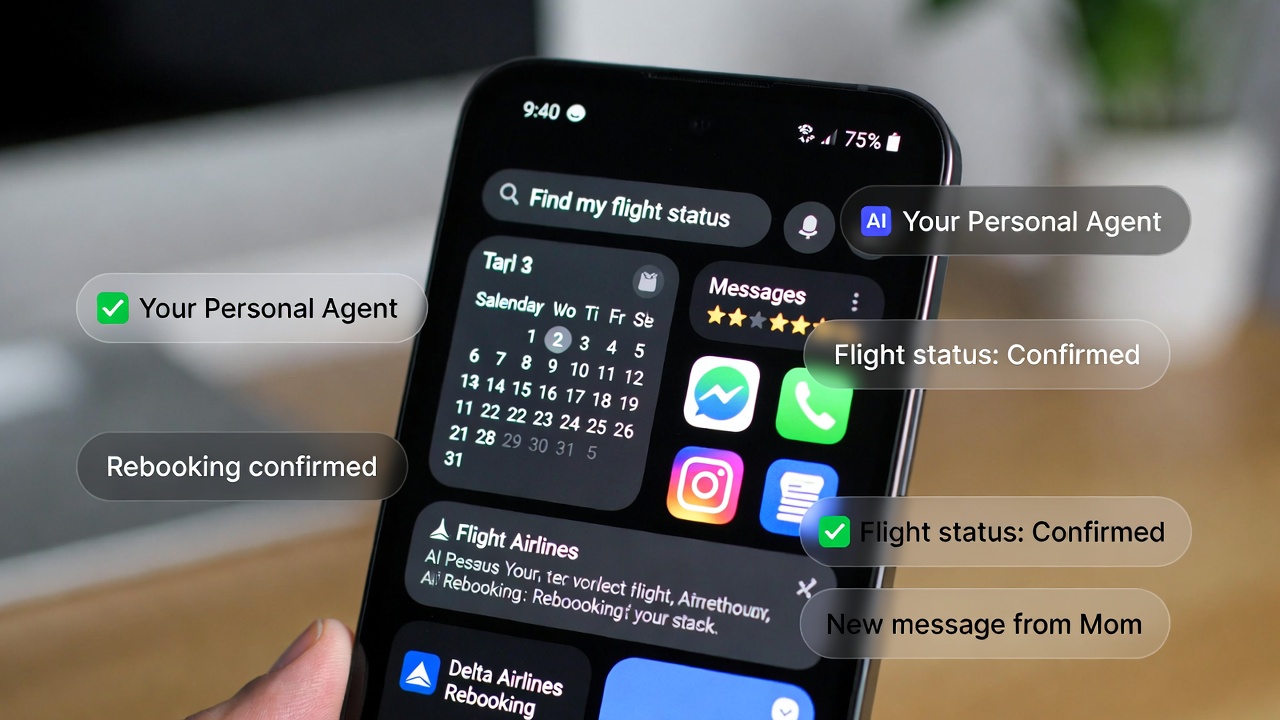
For example, if a flight is delayed, a true personal agent wouldn’t just tell you about the delay—it could rebook you on the next flight, order a ride to the airport, and push your calendar appointments back, all without you lifting a finger. 📌 Don’t forget to save this post — we’ll link to the specific gadgets that enable this later on.
Hardware Gets Smarter: The AI Device Wave
Software is only half the story. The future of artificial intelligence in 2026 is tightly coupled with new hardware. We’re seeing three categories mature:
1. AI Glasses and Wearables
Forget bulky AR headsets. This year, companies are shipping lightweight glasses with tiny displays and always-listening AI. They can translate conversations in real time, give you directions without looking at your phone, or remind you of a person’s name as you approach them. The trade-off? Battery life is still a struggle—expect around 3–4 hours of heavy use. Check out our latest smartwatch and wearables section for reviews on which models handle this without overheating.
2. Local AI on Laptops and Tablets
Apple, Qualcomm, and AMD are pushing chips that run large language models locally. This means you won’t need an internet connection to summarize documents or edit photos with AI. The practical benefit? Your laptop or tablet becomes a powerhouse for privacy-sensitive tasks. However, don’t expect miracles on machines with less than 16GB of RAM—the entry-level models will still rely on the cloud for heavy lifting.
3. Smart Home Controllers
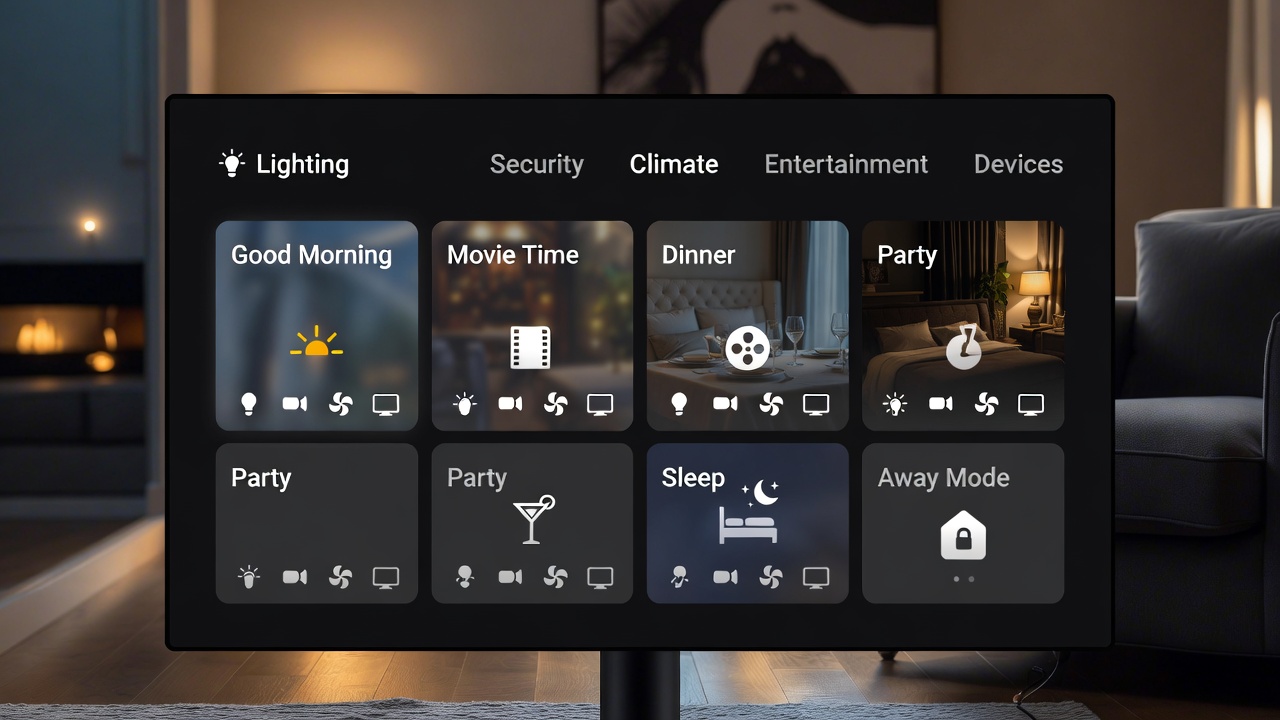
Your smart speaker is getting a brain upgrade. Instead of controlling one light at a time, new smart home hubs can learn your routines and manage complex scenes. For instance, a “movie night” command might dim the lights, lower the blinds, silence your phone, and even pause the robot vacuum. The catch? They require more setup and a robust Wi-Fi network. For tips on making your home ready, visit our home automation guides.
What AI Actually Does Well (And Where It Stumbles) in 2026
It’s easy to get caught up in the hype, but honest expectations matter. Here’s the realistic breakdown for this year:
- Creative tasks: AI is excellent at generating first drafts, brainstorming ideas, and creating variations of images or music. It’s a great partner for overcoming creative block.
- Coding assistance: Tools like GitHub Copilot have become indispensable for developers, handling boilerplate code and suggesting fixes. But they still need oversight for complex logic.
- Summarization and research: AI can now digest long documents and pull out key points faster than any human. But it still occasionally “hallucinates” facts, especially with niche topics.
- Where it fails: Emotional intelligence, understanding sarcasm in nuanced contexts, and any task requiring true physical dexterity (robots still drop things). The promise of a fully autonomous robot maid is still at least five years away.
💡 Save this guide for later so you can check back on which AI tools actually deliver on these fronts.
Privacy and Cost: The Real Trade-offs
The future of artificial intelligence in 2026 isn’t all rosy. There are two major barriers for most people: privacy and price.
Privacy: Local vs. Cloud
Running AI on your device is more private but less powerful. Cloud-based AI is smarter but requires sending your data to servers. Companies are trying to bridge this with “hybrid” models, but you, the user, have to decide what you’re comfortable with. For sensitive documents or personal photos, local processing is the way to go—if your hardware supports it.
Cost: The Subscription Wall
Many advanced AI features are moving behind paywalls. Expect to pay $10–$20 per month for premium AI capabilities on your phone or laptop. Some manufacturers are bundling these costs into the device price (like a year of free service), but after that, it’s an ongoing expense. Compare this to building your own custom PC, where the upfront cost is higher, but you aren’t tied to monthly fees for local processing power.

How to Prepare for AI in 2026
You don’t need to buy everything at once. Here’s a practical approach to adopting AI this year:
- Check your hardware: See if your current phone or computer supports the latest AI features (like on-device processing). If not, and you rely heavily on these tools, it might be time to budget for an upgrade.
- Experiment with one agentic tool: Try a personal assistant app that can actually book things or manage your email. See if it saves you time or just adds complexity.
- Secure your smart home: As your home gets smarter, make sure your network is secure. Update router firmware and use strong passwords. Our smart security guides can walk you through it.
- Manage subscriptions: Track which AI services you’re actually using. It’s easy to let $10 monthly fees pile up. Cancel the ones that don’t provide real value.
Conclusion: A More Helpful, if Imperfect, Assistant
The future of artificial intelligence in 2026 is less about sci-fi fantasies and more about practical, everyday help. The technology is becoming more proactive and integrated into the devices we already use. The AI that waits for a prompt is being replaced by agents that anticipate needs. While there are still trade-offs—privacy concerns, subscription costs, and occasional errors—the trajectory is clear: AI is becoming a more capable, if sometimes invisible, part of our digital lives.
My recommendation? Start small. Pick one area—like using an AI tool to organize your photos or a smart home routine that simplifies your morning—and build from there. The goal isn’t to own the most AI gadgets; it’s to make the tech you already own work smarter for you. And if you’re in the market for a device that can handle these new capabilities, browse our curated selection at Sanso Uka Tech to find something that fits your actual needs, not just the hype.
❤️ Bookmark this post to try these ideas later as you explore the new AI features rolling out this year.
- Best AI Image Generators in 2026

- Is AI Replacing Jobs
 Is AI Replacing Jobs? The 2026 Data on What’s Actually Happening By Sanso Uka The question of whether… Read more: Is AI Replacing Jobs
 - Tech Trends 2026
 Tech Trends to Watch in 2026: What’s Actually Worth Your Attention Tech Trends to Watch in 2026: What’s… Read more: Tech Trends 2026
 - Best Free AI Tools 2026
 Best Free AI Tools 2026: My Honest Stack for $0 By Sanso Uka Let’s cut through the noise.… Read more: Best Free AI Tools 2026
 - What Is Generative AI
 What Is Generative AI? A Plain-English Guide for 2026 What Is Generative AI? A Plain-English Guide for 2026… Read more: What Is Generative AI
 - Future of Artificial Intelligence 2026
 Future of Artificial Intelligence 2026: From Chatbots to Personal Agents By Sanso Uka If 2025 was the year… Read more: Future of Artificial Intelligence 2026
 - Best AI Tools 2026
 Best AI Tools 2026: ChatGPT, Claude, Gemini & More Compared Updated · March 2026 Best AI Tools 2026:The… Read more: Best AI Tools 2026
 - How to Set Up Smart Lighting at Home
 How to Set Up Smart Lighting at Home: Complete Beginner’s Guide (2026) How to Set Up Smart Lighting… Read more: How to Set Up Smart Lighting at Home
 - IoT Devices for Beginners
 Best IoT Devices for Beginners in 2026: Where to Start Best IoT Devices for Beginners in 2026: Where… Read more: IoT Devices for Beginners
 - Best Smart Smoke Detector 2026
 Best Smart Smoke Detector 2026: Which One Actually Protects Your Home? By Sanso Uka Let’s be honest—most of… Read more: Best Smart Smoke Detector 2026
 - How to Control Your Smart Home with Your Phone
 How to Control Your Smart Home with Your Phone: A Practical Setup Guide By Sanso Uka Learning how… Read more: How to Control Your Smart Home with Your Phone
 - Best Smart Lock 2026
 Best Smart Lock 2026: Which One Actually Keeps Your Home Secure? By Sanso Uka A smart lock is… Read more: Best Smart Lock 2026