
Complete Guide to Esports News & Tournaments for 2026
The world of esports news & tournaments has evolved from niche gaming competitions into a global entertainment phenomenon with millions of viewers, professional athletes, and prize pools rivaling traditional sports. Competitive gaming now fills stadiums, generates billions in revenue, and creates career opportunities for players, coaches, analysts, and content creators worldwide. I remember when esports meant small LAN parties with friends—today it represents a sophisticated industry with infrastructure, investment, and legitimacy that matches established sports leagues.
The esports landscape in 2026 features diverse games spanning multiple genres, each with dedicated competitive scenes, professional leagues, and passionate fan communities. Understanding which tournaments matter, how competitive ecosystems function, and where to follow the action helps you engage meaningfully with this dynamic industry whether you’re a casual fan, aspiring competitor, or industry professional.
In this comprehensive guide, we’ll explore everything about esports news & tournaments, from major competitions and top teams to understanding different game genres, following your favorite players, and potentially breaking into competitive gaming yourself. Whether you’re new to esports or a longtime fan wanting deeper insights, you’ll find practical information that enhances your appreciation and engagement with competitive gaming’s exciting world.
Major Esports Titles and Their Competitive Scenes
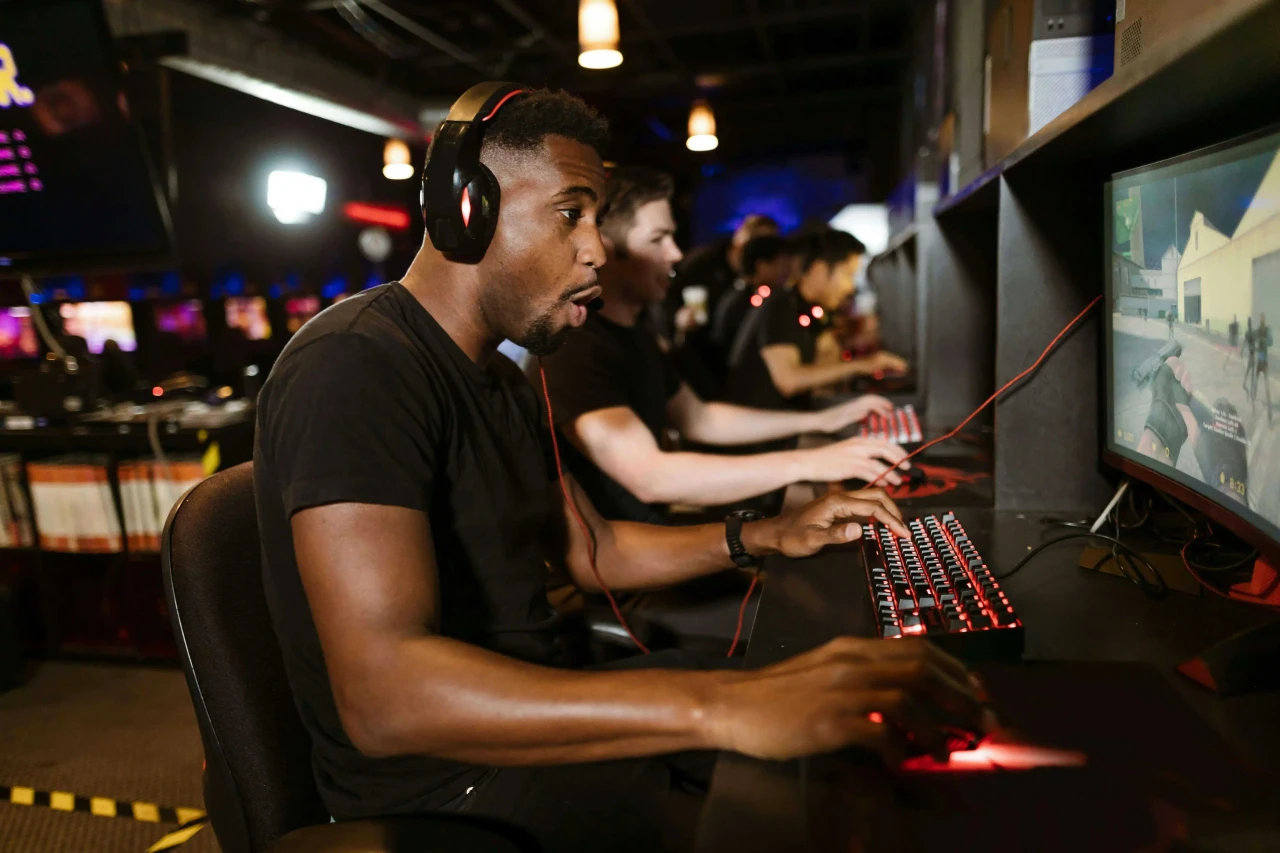
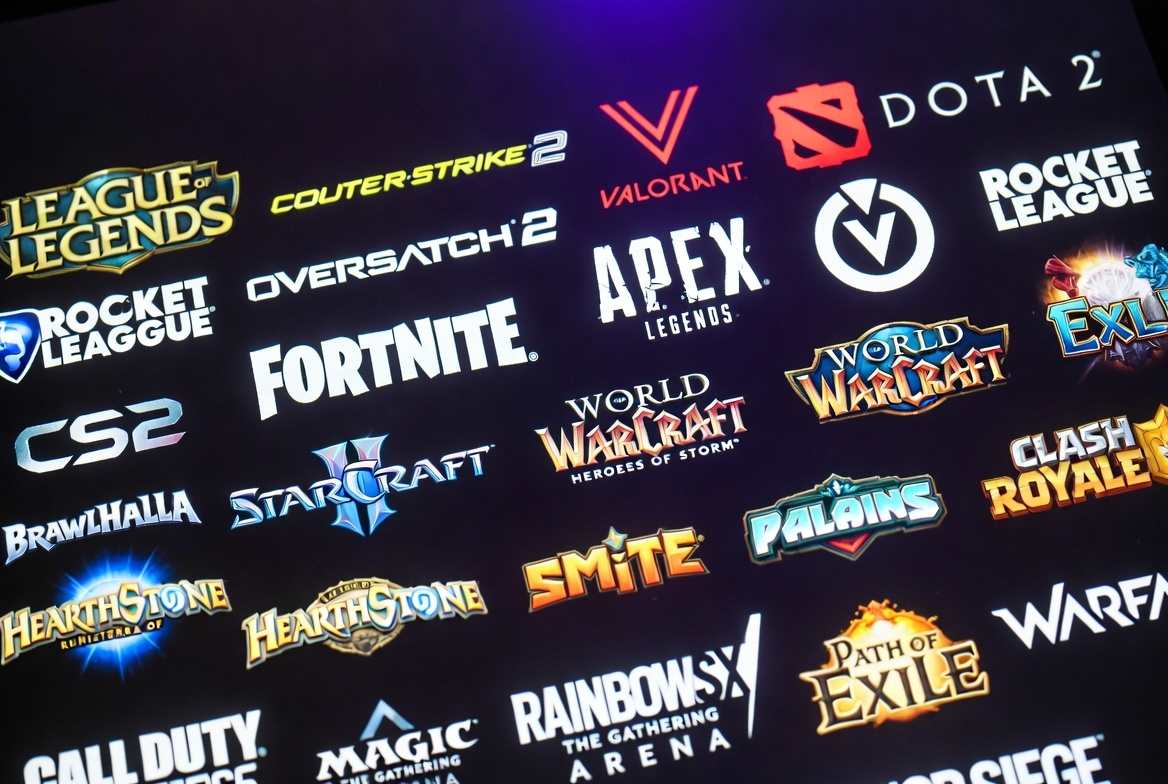
Different games dominate esports news & tournaments, each with unique competitive ecosystems, fan bases, and tournament structures. Understanding these major titles helps you navigate the esports landscape effectively.
League of Legends remains the most-watched esport globally with sophisticated regional leagues feeding into annual World Championships. Riot Games operates professional leagues in North America, Europe, China, Korea, and other regions with franchised teams, regular seasons, and playoffs. The World Championship attracts tens of millions of viewers with prize pools exceeding $2 million. LoL esports combines strategic depth with spectacular teamfight moments that create unforgettable viewing experiences.
Counter-Strike continues its decades-long competitive dominance with CS2 succeeding CS:GO. The tactical FPS features numerous tournament organizers including ESL, BLAST, and PGL hosting events with $250,000-$1,000,000 prize pools. Major Championships sanctioned by Valve represent the pinnacle with qualification through regional qualifying events. CS features high skill ceilings, strategic depth, and instant-impact moments that translate excellently to spectating.
Dota 2 hosts gaming’s largest prize pool through The International, Valve’s annual championship. Community-funded prize pools have exceeded $40 million in previous years through in-game battle pass purchases. The game features incredible strategic complexity with 120+ heroes, making it challenging for newcomers but deeply rewarding for invested fans. Regional leagues throughout the year qualify teams for TI and Major tournaments.
Valorant has rapidly established itself as a major esport with Riot Games applying lessons from League of Legends to create a sustainable competitive ecosystem. The Valorant Champions Tour features international leagues, Masters tournaments, and annual Champions events. The tactical shooter combines CS-style gunplay with hero abilities creating unique strategic possibilities that attract both CS and Overwatch fans.
Mobile esports including PUBG Mobile, Mobile Legends, and Honor of Kings dominate viewership in Asia and emerging markets. These titles reach audiences traditional PC/console esports miss, with accessible gameplay and massive player bases. Prize pools and viewership numbers increasingly rival PC esports, reflecting mobile gaming’s global growth trajectory.
Fighting games maintain dedicated communities through games like Street Fighter 6, Tekken 8, and Super Smash Bros. The FGC (Fighting Game Community) features grassroots tournaments alongside major events like EVO and Capcom Cup. These 1v1 competitions showcase individual skill and create intense personal rivalries that captivate fans.
Understanding Tournament Formats and Structures
Esports tournaments use various formats affecting competition dynamics and viewer experience. Understanding these structures enhances your appreciation of esports news & tournaments as you follow competitive gaming.
Regional leagues provide consistent competition throughout the year with teams playing regular seasons before playoffs. League of Legends, Valorant, and Overwatch use this format creating ongoing storylines and rivalries. Teams earn points or qualify directly to international events through league performance. This structure builds sustained interest compared to sporadic tournaments.
Open qualifiers allow any team to compete for tournament spots through bracket competitions. CS:GO and Dota 2 frequently use open qualifiers ensuring new teams can break into competitive scenes. While established teams usually succeed, occasionally unknown squads shock viewers by qualifying through opens, creating Cinderella stories fans love.
Invitation-only tournaments feature top teams selected by organizers based on rankings, previous performance, or regional representation. These prestigious events showcase the world’s best teams but lack the surprise potential of open competitions. Prize pools and prestige make invitations highly sought after among professional organizations.
Battle royale formats in games like PUBG, Fortnite, and Apex Legends involve multiple matches with points awarded based on placement and eliminations. Teams accumulate points across many games with highest total scores winning tournaments. This format creates comeback potential and reduces single-match variance that determines winners in traditional formats.
Double-elimination brackets give teams two chances before elimination, creating intense lower bracket runs and redemption stories. Winners bracket teams maintain advantages while lower bracket survivors face additional matches. This format balances competition integrity with entertainment value through potential bracket resets in grand finals.
Swiss system tournaments used in CS2 Majors pair teams with similar records each round. Teams play until reaching certain wins or losses, then advance or eliminate based on final records. This system ensures competitive matches throughout events while preventing early eliminations of strong teams due to tough initial matchups.
Top Esports Organizations and Teams
Major esports organizations field teams across multiple games, creating brand loyalty and fan followings that transcend individual titles. These organizations dominate esports news & tournaments with their success, signings, and storylines.
Team Liquid represents one of esports’ most successful multi-game organizations with championship rosters in League of Legends, Valorant, CS2, and Dota 2. Their professional approach to player development, coaching staff, and training facilities sets industry standards. Team Liquid’s consistent success across titles makes them perennial contenders fans respect.
Fnatic pioneered professional esports with founding in 2004 and remains relevant across multiple game titles. Their CS legacy, League of Legends dominance in Europe, and recent Valorant success demonstrate organizational longevity. Fnatic’s orange and black branding is instantly recognizable to esports fans worldwide.
T1 dominated League of Legends for years behind superstar Faker and maintains top-tier Korean rosters. Their three World Championship titles and numerous domestic victories make them League’s most successful organization. T1 expands into other titles while maintaining focus on their League dynasty.
FaZe Clan grew from Call of Duty trickshot videos into a mainstream entertainment brand and esports powerhouse. Beyond competitive success in CS2, Call of Duty, and other titles, FaZe represents lifestyle and content creation alongside competition. Their influencer-athlete hybrid approach attracts younger demographics to esports.
Chinese organizations including EDG, BLG, and JDG dominate Asian esports with massive financial backing and dedicated player development. Chinese teams increasingly compete globally after historically dominating regional competitions. Their methodical approach to team building and coaching creates consistently strong rosters.
Cloud9 maintains relevance across League of Legends, Valorant, and CS2 with innovative player development and willingness to take risks on unproven talent. Their blue and white branding and fan-friendly approach create strong community connections despite mixed competitive results.

Where to Watch and Follow Esports
Finding reliable sources for esports news & tournaments ensures you stay updated on competitions, roster changes, and industry developments across the rapidly evolving competitive gaming landscape.
Twitch dominates esports streaming with most major tournaments broadcast on the platform. Follow tournament organizer channels, team channels, and individual player streams. Twitch chat creates community viewing experiences with thousands of fans reacting simultaneously. Many tournaments reach 100,000+ concurrent viewers on Twitch for major matches.
YouTube Gaming hosts numerous esports events particularly for Valorant, Call of Duty League, and Overwatch League through exclusive streaming deals. YouTube’s video-on-demand library makes catching up on missed matches easier than Twitch’s VOD system. Many fans prefer YouTube’s cleaner interface and video player despite Twitch’s larger gaming community.
Official game channels on platforms provide primary viewing destinations. Riot Games broadcasts League and Valorant officially, Valve-sponsored events appear on Steam.tv and Twitch, and many publishers maintain dedicated esports channels. These official sources guarantee high-quality production and reliable scheduling.
Esports news sites including The Esports Observer, Dot Esports, and ESPN Esports provide daily news coverage, roster move reporting, and tournament recaps. These outlets employ dedicated esports journalists covering the industry professionally. Following multiple news sources provides comprehensive coverage across different games and regions.
Social media accounts from teams, players, leagues, and journalists break news fastest. Twitter/X remains the primary platform for esports announcements despite platform changes. Following key accounts keeps you informed about roster moves, tournament results, and industry developments in real-time.
Discord communities around specific teams, games, and tournaments create spaces for fan discussion and information sharing. Many organizations maintain official Discord servers providing behind-the-scenes content and direct community interaction. These communities enhance engagement beyond passive viewing.
Understanding Prize Pools and Player Earnings
Financial stakes in esports news & tournaments have grown dramatically, with top players earning millions annually through prize money, salaries, and sponsorships rivaling traditional athletes.
Prize pool distributions vary by game and tournament. First place typically receives 30-50% of total prize pools, with decreasing percentages for lower placements. Team-based games split winnings among five players plus organizations take percentages, while individual competitions award full prizes to single winners.
Player salaries from organizations often exceed tournament winnings for top teams. League of Legends players in major regions earn $400,000-$3,000,000 annually in base salaries before prize money or streaming revenue. These guaranteed salaries provide financial stability that tournament-only earnings don’t offer.
Sponsorship deals with brands like Red Bull, Intel, and gaming peripheral companies supplement player income. Star players with large followings command premium sponsorship rates. These deals require content creation, social media promotion, and brand representation beyond competitive performance.
Streaming revenue provides significant income for popular players. Top players earn six figures monthly from Twitch/YouTube subscriptions, donations, and ads. Some players earn more from streaming than competing, though most elite competitors prioritize tournament success.
Content creation through YouTube videos, TikTok, and other platforms monetizes player brands beyond competing. Retirement from active competition often transitions into full-time content creation maintaining income while reducing competitive pressure and practice requirements.
Team equity and ownership stakes represent newer compensation forms where star players receive organizational ownership. This aligns player interests with long-term team success and provides wealth building beyond immediate earnings.

Breaking Into Competitive Gaming
Aspiring to compete professionally in esports requires understanding realistic paths to success and the dedication required. While esports news & tournaments showcase the glamorous side, building competitive careers demands immense commitment.
Ranked ladder grinding establishes your skill level and creates visibility. Reaching top 0.1% of ranked players is minimum for professional consideration in most games. This requires thousands of hours of focused practice, VOD review, and continuous improvement. Climbing ranked ladders demonstrates dedication and skill to scouts and teams.
Amateur tournaments and leagues provide competitive experience beyond ranked play. Organizations like Faceit, ESEA, and game-specific amateur circuits offer structured competition. Success in amateur scenes attracts attention from tier 2 and tier 3 teams who develop players for top-tier organizations.
Networking within gaming communities increases opportunities. Join Discord servers, interact with players, and participate in scrims and pickup games with better players. Many professional opportunities arise through recommendations and connections rather than formal recruitment processes.
Content creation builds personal brands that attract team interest. Streaming your ranked games, creating educational content, or showcasing highlights demonstrates communication skills and marketability beyond pure mechanical skill. Teams increasingly value players who contribute to organizational brand building.
Coaching and analysis roles provide alternative entry points into esports for players who don’t reach professional playing levels. Strong game knowledge, communication skills, and analytical thinking translate into coaching, where you help teams succeed without requiring pro-level mechanics.
Education and backup plans remain important given esports’ competitive nature and short career spans. Most aspiring pros never reach professional levels, and even successful careers typically last 5-10 years. Maintain educational pursuits and develop transferable skills while pursuing competitive gaming dreams.
Esports Betting and Fantasy Leagues
Betting markets and fantasy competitions add engagement layers to esports news & tournaments, though they require responsible participation and understanding of associated risks.
Match betting allows wagering on tournament outcomes, individual game results, or in-game events. Licensed betting sites offer esports markets alongside traditional sports. Understanding game mechanics, team strengths, and current form improves betting success, though gambling always carries inherent risks.
Fantasy esports leagues let participants draft players and earn points based on in-game performance statistics. Daily fantasy and season-long leagues both exist across major esports titles. These competitions require deep game knowledge and player evaluation skills similar to traditional fantasy sports.
Skin betting historically involved wagering CS:GO weapon skins on match outcomes. Regulatory crackdowns reduced skin betting prevalence, but gray markets persist. These unregulated markets carry significant risks including fraud, unfair odds, and legal issues.
Responsible gambling practices apply to esports betting like traditional sports. Set strict budgets, never chase losses, avoid betting on matches you’re emotionally invested in, and recognize problem gambling signs. Esports’ young demographic makes responsible gambling education particularly important.
Legal considerations vary by jurisdiction with esports betting legality changing rapidly. Research local laws before participating in any betting or fantasy platforms. Some regions prohibit esports betting entirely while others regulate it similarly to sports betting.
The Business Side of Esports
Understanding esports’ business model provides context for industry sustainability and growth discussed in esports news & tournaments coverage.
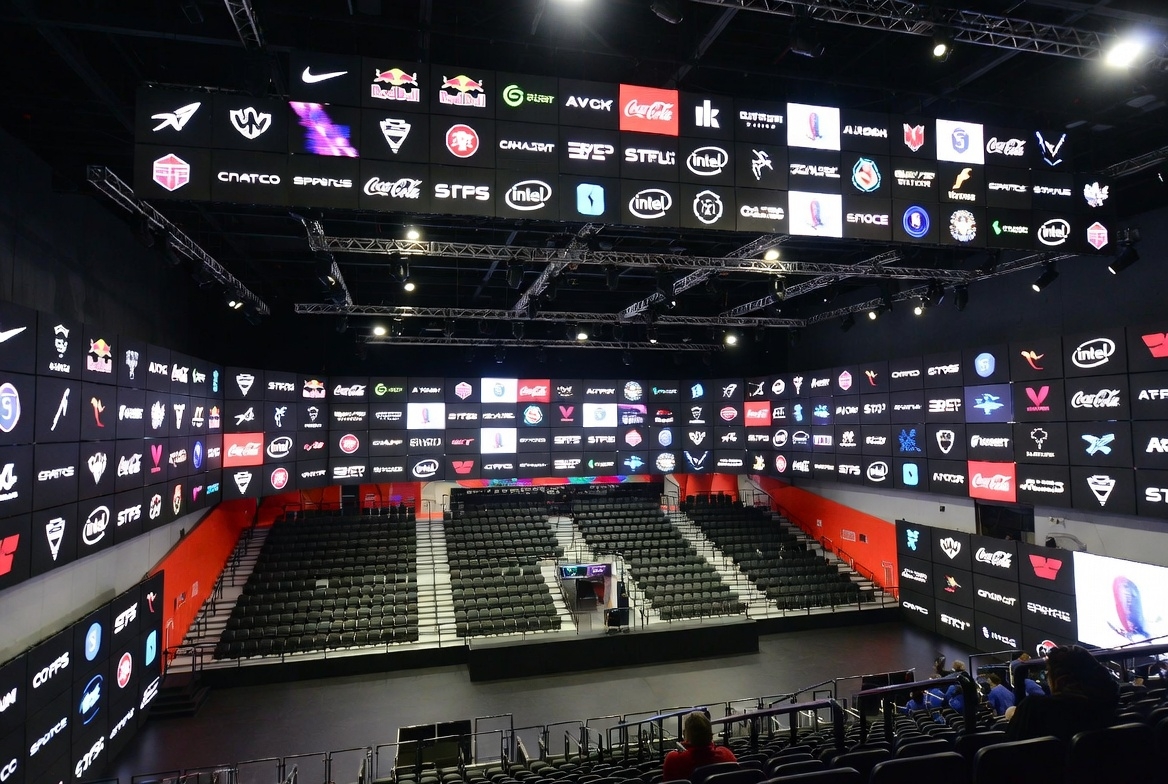
Sponsorship revenue from endemic gaming brands and non-endemic companies provides primary income for teams and leagues. Intel, Red Bull, Nike, and others invest millions in esports marketing reaching young, engaged audiences. These deals fund team operations, salaries, and prize pools.
Media rights deals between leagues and streaming platforms guarantee revenue while expanding reach. Exclusive broadcasting agreements with Twitch, YouTube, or traditional broadcasters provide stable income streams. These deals increasingly resemble traditional sports media contracts in structure and value.
Merchandise sales from team jerseys, peripherals, and branded products generate revenue while building fan connections. Successful organizations develop lifestyle brands beyond competition, selling clothing and accessories to fans who may not actively follow competitive matches.
Franchise fees in leagues like League of Legends LCS and Overwatch League required multi-million dollar buy-ins creating stable competitive ecosystems. While controversial, franchising provides financial stability and enables long-term planning compared to relegation-based systems.
Game publisher investment in competitive ecosystems varies by title. Riot Games heavily subsidizes League of Legends and Valorant esports, while Valve takes hands-off approaches in CS and Dota 2. Publisher support significantly impacts competitive scene sustainability and growth.
Challenges including profitability concerns, viewership growth plateaus, and economic uncertainties affect industry sustainability. Many organizations operate at losses despite massive sponsorship deals. The industry continues maturing its business model toward sustainable profitability.
Esports Culture and Community
Esports communities create unique cultures around teams, players, and games that define fan experiences beyond just watching esports news & tournaments.
Memes and inside jokes permeate esports culture with references to famous plays, player personalities, and community moments. These shared cultural touchstones create belonging among fans and separate esports from traditional sports’ more formal cultures. Understanding community memes enhances engagement and connection with other fans.
Trash talk and rivalries add entertainment value while sometimes crossing lines into toxicity. Players and teams engage in competitive banter building hype for matches. However, esports struggles with balancing entertaining rivalry with maintaining respectful competition and inclusive communities.
Fan engagement through watch parties, co-streaming, and social media interaction creates participatory experiences. Bars and venues host watch parties for major tournaments, while players co-stream events providing alternative commentary perspectives. This engagement transforms passive viewing into social experiences.
Toxicity and harassment remain significant challenges in esports communities. Anonymous online interactions sometimes enable abusive behavior toward players, particularly women and minorities. The industry increasingly addresses these issues through moderation, codes of conduct, and community education.
Inclusivity efforts aim to diversify esports beyond stereotypical demographics. Women’s leagues, diversity initiatives, and anti-harassment policies work toward making esports welcoming to all. Progress continues but esports still struggles with representation compared to its player base diversity.
Major Upcoming Tournaments and Events
Staying informed about upcoming esports news & tournaments ensures you don’t miss major competitions throughout the year across different games and regions.
League of Legends World Championship remains gaming’s premier annual event typically held in October. Qualification runs throughout the year across regional leagues. Worlds features multiple host cities, sold-out arenas, and elaborate opening ceremonies rivaling traditional sports championships. The tournament duration spans one month with group stages, playoffs, and finals.
The International for Dota 2 typically occurs in August-September with exact timing varying by year. The community-funded prize pool makes it gaming’s most lucrative tournament. Teams qualify through regional leagues and Major tournament performance throughout the competitive season.
CS2 Majors occur twice yearly as Valve-sanctioned premier events. Regional Minor qualifiers feed into Major tournaments featuring $1,000,000 prize pools and legendary status for winners. Major schedules typically space events six months apart maintaining consistent championship opportunities.
Valorant Champions concludes the VCT season annually with top teams from Masters events and regional leagues competing for the world championship. Riot’s consistent competitive calendar provides year-round structured competition building toward Champions.
Fighting Game Community calendar centers around EVO in July-August featuring multiple fighting game titles. Capcom Cup, Tekken World Tour Finals, and other game-specific championships occur throughout the year. FGC events maintain grassroots atmosphere despite growing production values.
Regional leagues and seasonal tournaments provide ongoing competition between major championships. Following specific games’ competitive calendars ensures you catch important matches beyond just annual championships.
The Future of Competitive Gaming
Trends shaping esports news & tournaments suggest continued evolution in games, formats, technology, and audience engagement approaching traditional sports while maintaining gaming’s unique culture.
Mobile esports expansion particularly in emerging markets creates massive new audiences. As smartphone capabilities improve and mobile games sophisticate, mobile competitive scenes rival PC esports viewership and prize pools. This geographic and demographic expansion transforms esports from Western/East Asian phenomenon to truly global entertainment.
Virtual reality and augmented reality esports remain niche but show potential as technology improves. VR esports faces accessibility barriers from hardware requirements but offers unique competitive experiences. AR integration into viewing experiences may enhance spectating without requiring all fans own VR headsets.
Artificial intelligence integration for coaching, analysis, and training accelerates player development. AI tools analyze thousands of matches identifying patterns and optimal strategies humans miss. While AI won’t replace human coaches, it augments coaching with data-driven insights.
Mainstream sports crossover increases as traditional sports organizations invest in esports teams and infrastructure. NBA teams operate esports divisions, football clubs sponsor gaming rosters, and athletes invest in organizations. This crossover brings resources, legitimacy, and infrastructure to competitive gaming.
Regulatory frameworks evolve addressing player rights, governance, and competitive integrity. As esports professionalizes, structures around player unions, contract standards, and league governance mature toward traditional sports models while retaining gaming’s flexibility.
Conclusion
The world of esports news & tournaments represents a dynamic, rapidly evolving entertainment industry that combines competitive excellence with digital culture and global community. Understanding major games, tournament formats, top teams, and where to follow the action enables meaningful engagement whether you’re a casual viewer, passionate fan, or aspiring professional. Esports offers something for everyone—intense competition, strategic depth, incredible individual skill displays, and inclusive communities passionate about gaming.
Start your esports journey by choosing one or two games that interest you and following their competitive scenes consistently. Learn team storylines, understand game mechanics, and engage with communities around your chosen titles. Not every esport will appeal to every person, so experiment until you find competitive scenes matching your interests. The beauty of esports’ diversity is that whether you enjoy tactical shooters, strategic MOBAs, fighting games, or battle royales, professional competitive scenes exist showcasing the highest levels of play.
Remember that esports continues maturing as an industry with growing prize pools, improving production quality, and increasing mainstream recognition. What seems niche today may become tomorrow’s premier entertainment. Stay curious about new games and formats, support the teams and players you enjoy, and participate in communities around esports news & tournaments. Whether you remain a spectator appreciating competitive excellence or pursue playing competitively yourself, esports offers exciting entertainment and community that will only grow more sophisticated and accessible in the years ahead. The future of competitive gaming is bright, inclusive, and full of extraordinary moments waiting to be created.
🛒 Recommended Products for Esports News & Tournaments
Based on the esports news & tournaments discussed in this article, we’ve curated a selection of top-rated products that deliver exceptional performance and value. These recommendations are carefully chosen to help you implement the solutions that best fit your needs and budget.