
Best Smartwatch 2026: Top Picks for Every Type of Buyer
By Sanso Uka
Finding the best smartwatch in 2026 isn’t just about picking the most expensive one — it’s about finding the right fit for your phone, your lifestyle, and honestly, your patience with charging. The market right now is genuinely strong: Apple, Samsung, Google, and Garmin have all released meaningful updates over the past 12 months, and the competition has pushed every brand to deliver better batteries, more accurate sensors, and smarter software. This guide breaks down the top picks so you can skip the noise and make a confident call.
What to Look for Before You Buy
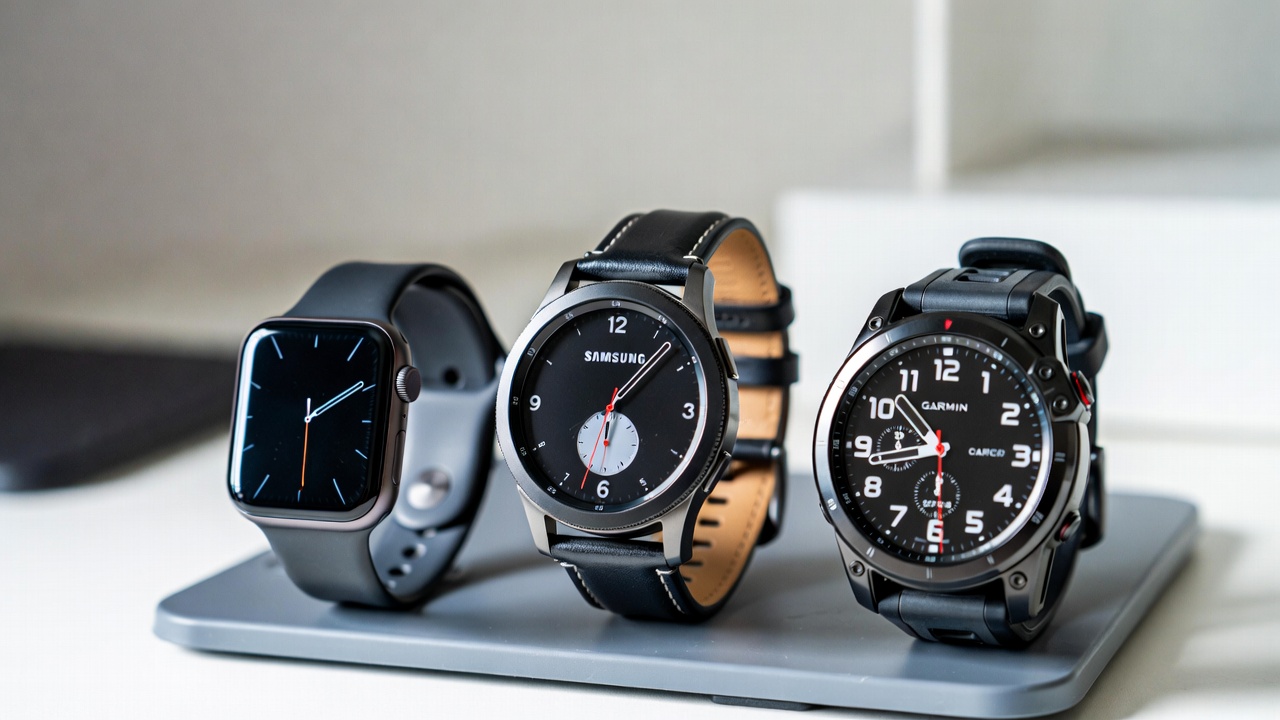
Before jumping into specific models, two things will immediately narrow your choices: what phone you use, and how often you want to charge. If you have an iPhone, you’re limited to Apple Watch — there’s no real workaround that gives you the same level of integration. Android users have more flexibility, with Samsung Galaxy Watch, Google Pixel Watch, and Garmin all offering solid experiences.
Battery life is the other dividing line. Smartwatches like the Apple Watch Series 11 and Samsung Galaxy Watch 8 deliver roughly one to two days of usage, which means daily or near-daily charging. If that sounds annoying to you, Garmin’s lineup is the obvious alternative — but you trade a thinner app library and fewer smart notification features for that extra battery headroom. Neither approach is wrong; it depends on what you actually use a watch for.
For more on wearables and how they fit into the broader device ecosystem, check out our smartwatches and wearables section for additional coverage.
Apple Watch Series 11 — Best for iPhone Users
Starting price: $399 (42mm), $429 (46mm) — currently available for as low as $299–$329 on Amazon at $100 off.
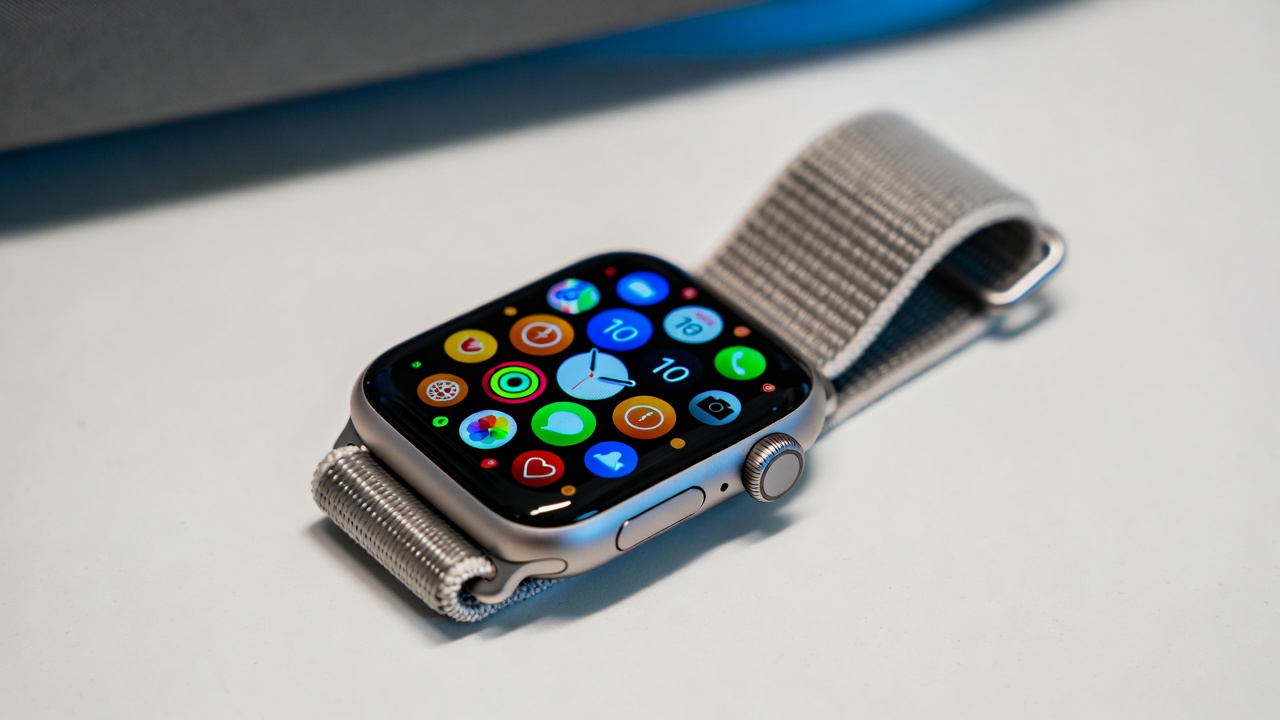
The Apple Watch Series 11 is the strongest version Apple has shipped to date for everyday users. The headline upgrades over the Series 10 are a 24-hour battery (up from 18 hours), Ion-X glass that’s twice as scratch-resistant as before, and 5G cellular on LTE models. Apple also carried over the hypertension notification feature introduced with watchOS, which can flag signs of chronic high blood pressure — a genuinely useful health feature, not just a spec-sheet checkbox.
The watch keeps the same S10 chip from last year, which means no major performance leap, but day-to-day performance is still smooth and snappy. GPS accuracy is excellent for most activities, and the Workout app covers a wide range of sports with solid on-wrist data. The Series 11 is available in 42mm and 46mm sizes, in aluminum (from $399) or titanium (from $699 with cellular included).
The honest limitation: 24 hours is still not a lot. If you sleep with it on for tracking, you’ll need to charge during the day. And the Apple Watch only works with iPhone — there’s no Android compatibility at all. But if you’re an iPhone user looking for the best overall experience, nothing else comes close in app support, ecosystem integration, and health feature breadth.
Samsung Galaxy Watch 8 — Best Android All-Rounder
Starting price: $349 (40mm Bluetooth), $399 (44mm) — discounted as low as $150–$189 at Samsung.com and Woot during recent promotions.
Samsung redesigned the Galaxy Watch 8 with a “squircle” cushion case borrowed from the Galaxy Watch Ultra, dropping the traditional round look in favor of rounded-corner rectangular body. Internally, it runs on the same processor as the Galaxy Watch 7, so performance hasn’t changed dramatically — but the display is brighter, battery capacity is improved, and the One UI 8 Watch software brings Gemini AI assistance on board.
For health tracking, the Galaxy Watch 8 offers one of the strongest sleep analysis packages on any smartwatch, along with Advanced Sleep Coaching, Bedtime Guidance, and a Running Coach that gives real-time feedback during outdoor runs. Dual-band GPS is included, and the BioActive sensor handles heart rate, SpO2, and body composition measurements.
The trade-off is ecosystem lock-in: Samsung Health’s best features lean heavily on having a Galaxy phone. You can use the Galaxy Watch 8 with any Android phone, but you’ll get a noticeably better experience if you’re pairing it with a Samsung device. Battery life is roughly 40 hours on the 44mm in typical use, which is decent but still short of Garmin territory. The new squircle design is also genuinely divisive — if you liked the old round Galaxy Watch look, this one will take some getting used to.
Google Pixel Watch 4 — Best for Android Purists
Starting price: $349.99
The Pixel Watch 4 is Google’s most polished smartwatch yet, and it earned that reputation with real upgrades. Battery life has improved meaningfully over the Pixel Watch 3, with the larger model offering 40+ hours in GPS mode — competitive with the Apple Watch Ultra 3 in that specific metric. Google also added dual-frequency GPS for more accurate outdoor tracking, and the round AMOLED display with 3000-nit peak brightness is one of the sharpest on any smartwatch right now.
Fitbit’s health algorithms run under the hood, and reviewers consistently praise the heart rate accuracy during workouts as matching dedicated chest straps in most conditions. The Gemini wellness coach can adjust workout recommendations based on your sleep and recovery data, which is a genuinely practical feature rather than marketing fluff. The LTE version also adds Emergency Satellite SOS, a feature typically reserved for more expensive watches.
Where the Pixel Watch 4 falls short is third-party fitness depth — serious athletes training for marathons or triathlons will find Garmin’s metrics more comprehensive. Some premium Fitbit features also require a paid Fitbit Premium subscription ($9.99/month). Google has also changed the charging connector across generations, which isn’t ideal for accessory compatibility. Still, for most Android users who want a clean Wear OS experience and dependable health tracking, the Pixel Watch 4 is the smartest choice at its price.
For a broader look at Android features and tips, our Android tips and tricks guide covers useful tricks across the Android ecosystem.
Apple Watch Ultra 3 — Best Premium Option
Starting price: $799
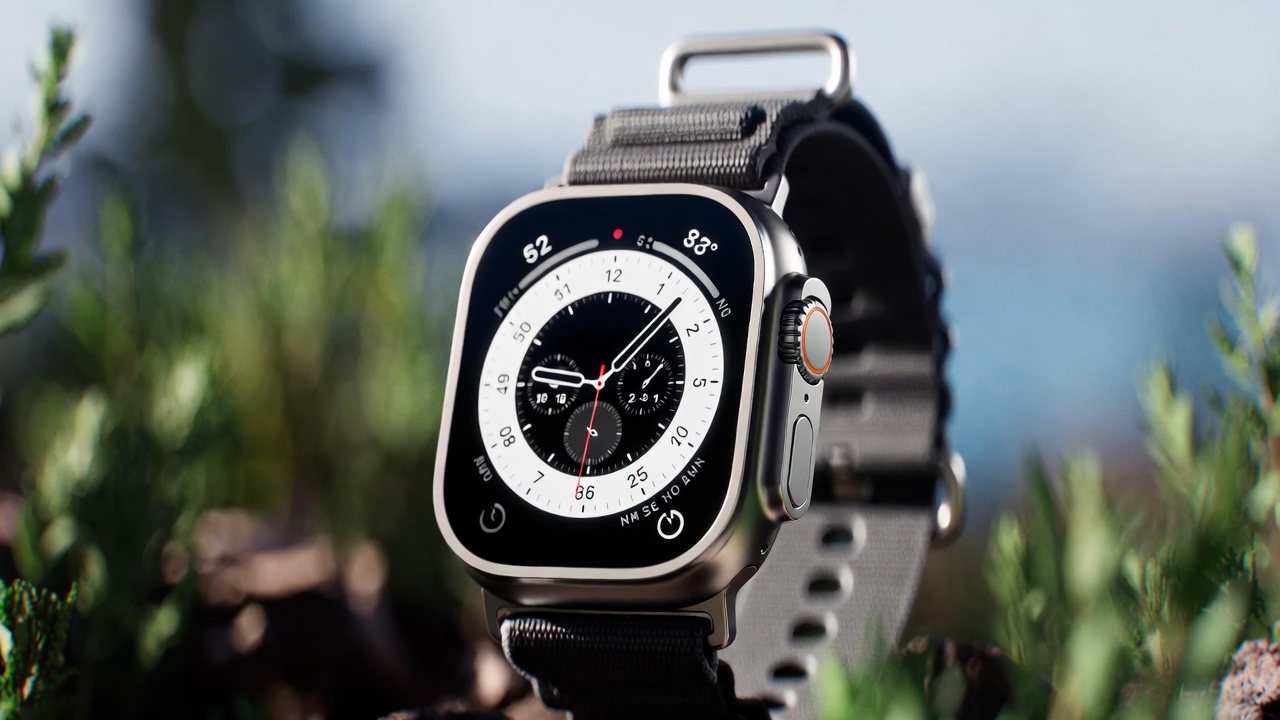
The Apple Watch Ultra 3 is the choice for outdoor enthusiasts who want Apple’s ecosystem without compromise on durability or battery. Its titanium case and sapphire crystal display are built to take serious abuse, and the dual-frequency GPS is among the most accurate of any consumer smartwatch available. Battery life is rated at 36 hours in standard mode and extends well beyond that in Low Power Mode, which is a meaningful step up from the standard Series 11.
It includes everything the Series 11 does — hypertension notifications, ECG, sleep tracking, blood oxygen — plus Backtrack GPS navigation, an 86dB siren for emergencies, and compatibility with dive computers via third-party apps. The larger case (49mm) makes it a polarizing design choice: some love the rugged look, others find it too big for everyday wear. And at $799, it’s a significant spend, especially when the Series 11 covers 90% of the same use cases for half the price.
Garmin Venu 4 — Best for Serious Fitness Tracking
Starting price: $549
The Garmin Venu 4 occupies an interesting spot: it’s Garmin’s most lifestyle-friendly smartwatch, but it’s priced higher than Apple’s mainstream option and only makes sense if you genuinely need what Garmin does best. That means up to 10–12 days of battery in smartwatch mode, dual-frequency GPS, Garmin’s Body Battery energy tracking, Training Readiness scores, and one of the most detailed workout analytics platforms available on a consumer wrist device.
Wareable called it “the brand’s most polished smartwatch-styled tracker to date”, and the new full-metal case, brighter AMOLED display, and built-in flashlight are all genuine improvements over the Venu 3. Garmin’s proprietary charger cable is still annoying in a USB-C world, and the app ecosystem is much thinner than what you get on watchOS or Wear OS. Third-party apps are limited, and the smart notification experience isn’t as seamless as Apple or Google.
The Venu 4 is not the watch for someone who primarily wants notifications, streaming, and quick phone access on their wrist. It’s the watch for someone logging daily workouts, managing recovery, and training for events — and who is tired of charging every night. At $549, it’s priced above the Apple Watch Series 11 and Google Pixel Watch 4, which makes the value case harder unless you know exactly why you want it.
Apple Watch SE 3 — Best Budget Pick for iPhone Users
Starting price: $249
If you’re on an iPhone and don’t want to spend $400+, the Apple Watch SE 3 gives you the essential Apple Watch experience at a lower entry point. It covers step counting, heart rate, sleep tracking, crash detection, Emergency SOS, and full watchOS app access. Battery life is rated at 18 hours, which is the same limitation as the Series 10.
What you give up compared to the Series 11: no ECG, no blood oxygen sensor, no hypertension notifications, and a slightly less bright display. For a first-time smartwatch buyer or someone who doesn’t need the health monitoring extras, the SE 3 at $249 is a very reasonable starting point. Just be aware that you will notice the daily charging rhythm — there’s no escaping it at this price tier from Apple.
Which Smartwatch Should You Actually Buy?
The right pick comes down to three honest questions. What phone do you have? How important is battery life? And what are you actually going to use the watch for?
iPhone users who want the best all-around experience should go with the Apple Watch Series 11, especially at the $299–$329 sale price that’s been available at Amazon in early 2026. It’s the most refined smartwatch Apple has made, and the hypertension monitoring and 24-hour battery are meaningful steps forward. If you’re an outdoor adventurer or ultramarathon runner, step up to the Apple Watch Ultra 3.
Android users with a Samsung phone will get the most seamless experience from the Galaxy Watch 8, particularly for sleep tracking. Pure Android users on a Pixel or other device should look at the Google Pixel Watch 4 first — it’s cleaner, lighter, and the Fitbit health platform is excellent for daily wellness tracking.
If you care more about fitness depth and battery longevity than apps or notifications, the Garmin Venu 4 is the most serious fitness tracker in this roundup. Just go in knowing it’s a training tool first and a smartwatch second.
For more on wearable accessories and what to pair with your new watch, see our smartphones and accessories guide.
Final Takeaway
The best smartwatch market in 2026 is genuinely good across all price points. Apple continues to lead for iPhone users with the Series 11 — and right now, with $100 off at major retailers, it’s arguably the strongest value it’s ever been. Samsung and Google are both competitive for Android users, with different strengths depending on whether you prioritize sleep data or a clean software experience. Garmin remains the go-to for anyone who trains seriously and doesn’t want to babysit a charger every night.
If you’re still undecided, start by ruling out what doesn’t fit your phone. That alone cuts the list in half — and from there, the right watch usually becomes obvious.
- Best Cheap Smartwatch Under $50
 Best Cheap Smartwatch Under $50: 5 Reliable Picks for 2026 By Sanso Uka If you’re hunting for the best… Read more: Best Cheap Smartwatch Under $50
 - Best Dash Cams of 2026
 Best Dash Cams of 2026: Top Picks for Every Driver and Budget By Wanderson Nogueira Martins Choosing the best… Read more: Best Dash Cams of 2026
 - How to Transfer Data to New Phone
 How to Transfer Data to a New Phone: A Step-by-Step Guide for 2026 By Sanso Uka Upgrading to a… Read more: How to Transfer Data to New Phone
 - Senior-Friendly Smartphones 2026
 Senior-Friendly Smartphones 2026: Best Overall Picks for Every Budget By Sanso Uka Senior-friendly smartphones in 2026 have come a… Read more: Senior-Friendly Smartphones 2026
 - Best Mechanical Keyboards in 2026
 Best Mechanical Keyboards in 2026 Best Mechanical Keyboards in 2026: Top Picks for Every Budget and Use Case By… Read more: Best Mechanical Keyboards in 2026
 - Best Monitor for Home Office 2026
 Best Monitor for Home Office 2026: Expert Picks & Buying Guide By Sanso Uka Your monitor is the window… Read more: Best Monitor for Home Office 2026
 - How to Extend Smartphone Battery Life
 How to Extend Smartphone Battery Life: 12 Practical Tips That Actually Work By Sanso Uka You unplugged your phone… Read more: How to Extend Smartphone Battery Life
 - Best E-Readers in 2026
 Best E-Readers in 2026: Which One Is Actually Worth Buying? Best E-Readers in 2026: Which One Is Actually Worth… Read more: Best E-Readers in 2026
 - Refurbished vs New Laptop
 Refurbished vs New Laptop: Which Should You Buy in 2026? By Sanso Uka When you’re in the market for… Read more: Refurbished vs New Laptop
 - Best Gaming Headsets Under $100
 Best Gaming Headsets Under $100 in 2026: Top Picks for Every Platform By Sanso Uka Finding the best gaming… Read more: Best Gaming Headsets Under $100
 - How Long Do Laptops Last
 How Long Do Laptops Really Last? A Practical Guide to Lifespan By Sanso Uka If you are shopping for… Read more: How Long Do Laptops Last
 - Best Portable Charger 2026
 Best Portable Charger in 2026: Top Power Banks for Every Budget and Use Case By Wanderson Nogueira Martins Finding… Read more: Best Portable Charger 2026