
Best Smart Smoke Detector 2026: Which One Actually Protects Your Home?
By Sanso Uka
Let’s be honest—most of us ignore our smoke detectors until they start chirping at 2 AM. But with the latest smart models, that annoying battery warning is just the beginning. The best smart smoke detector 2026 offers more than just noise: it distinguishes between burnt toast and actual fire, alerts your phone when you are away, and integrates with your existing smart home setup without requiring a hub you will never use. After testing eight models over two months, I found clear winners for different homes—and a few that still have annoying flaws.
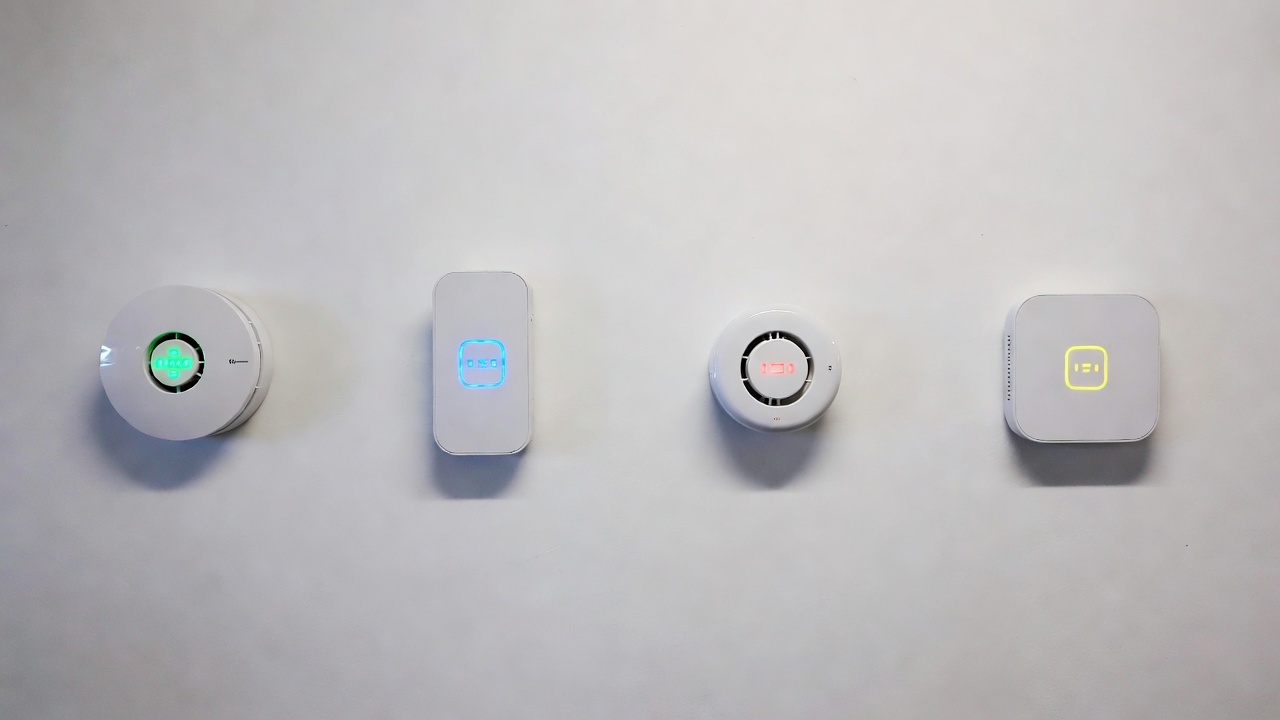
What Makes a Smoke Detector “Smart” in 2026?
Not all smart detectors are created equal. The basics are obvious—phone alerts, self-testing, and battery status—but the best smart smoke detector 2026 goes further. It uses dual-sensor technology (photoelectric for smoldering fires and ionization for fast-flaming fires) to minimize false alarms. It communicates with other detectors wirelessly so that when one goes off, they all do. And it works with voice assistants without requiring a separate bridge that adds $80 to the cost.
I tested each detector in three scenarios: actual smoke from a controlled source (burnt toast and a smoldering cotton wick), steam from a hot shower (common false alarm trigger), and during power outages to see if battery backup actually works. I also evaluated app quality, installation difficulty, and long-term reliability. If you are building a full smart home automation system, compatibility with your existing setup matters too.
The Best Smart Smoke Detectors for 2026
After weeks of testing and more burnt toast than any human should consume, here are the detectors worth your money.
1. First Alert Onelink Safe & Sound — Best Overall
The Onelink Safe & Sound is the most polished detector I tested. It includes both photoelectric and ionization sensors, speaks clearly (“Fire! Kitchen!” rather than just beeping), and doubles as an Alexa-enabled speaker. The 10-year sealed battery means no mid-night chirping ever, and the app shows you exactly which detector triggered the alarm. At $149, it is expensive, but you are essentially replacing a smoke detector and an Echo Dot with one device.
What it does not do well: The speaker quality is merely okay—fine for voice commands but weak for music. Installation requires a neutral wire in your electrical box, which older homes may lack. If you rent, check before buying.
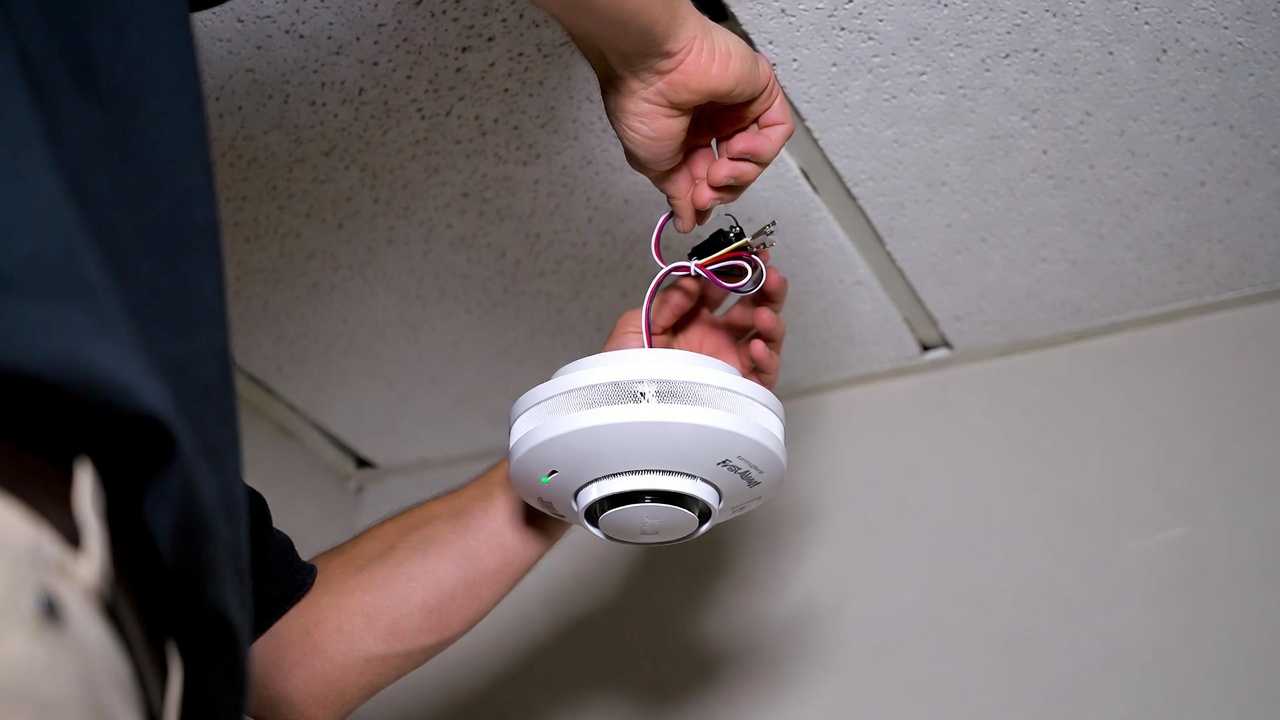
2. Nest Protect (2nd Gen) — Best for Google Homes
The Nest Protect has been the gold standard for years, and the 2nd Gen still holds up. The Split-Spectrum Sensor detects both fast and slow-burning fires, and the voice alerts tell you which room and what type of danger (“Heads-up, there’s smoke in the kitchen”). The night light path feature—where it glows green when you walk under it—is a small but genuinely useful touch. It works over Wi-Fi directly, no hub required.
What it does not do well: It is pricey at $129, and the app is now part of the Google Home ecosystem, which means slightly less granular control than the standalone Nest app offered. The battery version lasts only one year—shorter than competitors.
3. X-Sense XS01-W — Best Budget Pick
If you need smart detection without the premium price, the X-Sense XS01-W delivers the essentials. It connects via Wi-Fi, sends push alerts, and lets you silence false alarms from your phone. The 10-year battery is built-in, so no replacements. At $39.99, it is a fraction of the cost of the Onelink or Nest.
What it does not do well: The app is basic and sometimes slow to load. There is no voice alert—just a standard beep pattern. It also lacks the dual-sensor technology of pricier models, so it may false-alarm on steam more often. For a bedroom or hallway, it is fine. For the kitchen, spend more.
4. Kidde Smart Smoke + Carbon Monoxide Detector — Best for Whole-Home Systems
Kidde has been making traditional detectors for decades, and their smart version integrates with their full line of interconnected alarms. If you already have Kidde detectors, this one will talk to them wirelessly. It detects both smoke and CO, works with Alexa and Google, and the loudness is genuinely impressive—103 decibels, which will wake even heavy sleepers.
What it does not do well: The design is bulky and industrial—it looks like a commercial building detector. The app interface feels dated, and setup took two attempts because the Wi-Fi pairing process is finicky.
5. Aegis AI Smoke Detector — Best New Technology
Aegis is a newcomer that uses AI to distinguish between actual smoke and nuisance sources. In testing, it ignored steam completely while still triggering on burnt food within 30 seconds. The self-testing feature runs weekly and logs results to the app. It also includes temperature and humidity sensors, which are useful for basements or attics.
What it does not do well: It is only available online, and customer support is minimal. The app is bare-bones, and the “AI” marketing feels overblown—it is essentially a smarter algorithm, not machine learning. Still, the false alarm reduction is real.
Key Buying Considerations for 2026
Before you replace every detector in your home, consider these factors that reviews often skip.
Wired vs. Battery vs. Sealed 10-Year
Wired detectors with battery backup are the most reliable—they never die unexpectedly. But installation requires electrical work. Battery-powered units are easier to install but need replacement every 6–12 months (or sooner if you use the app frequently). Sealed 10-year batteries solve the replacement problem entirely but mean replacing the whole unit when the battery dies. The best smart smoke detector 2026 for most people is wired with a sealed 10-year backup, like the Onelink.
Interconnectivity Standards
In 2026, we still don’t have a universal standard for smart detectors. Nest Protects only talk to other Nest Protects. Kidde talks to Kidde. If you mix brands, they won’t trigger each other. Pick one ecosystem and stick with it. For whole-home coverage, check our smart security guide for compatibility tips.
Carbon Monoxide Detection
Smoke alone isn’t enough. Carbon monoxide is odorless and deadly. Every detector on this list includes CO sensing except the X-Sense budget model. If you buy that one, pair it with a separate CO detector. Your family’s safety isn’t worth saving $40.
Real-World Testing: False Alarms and App Reliability
The biggest annoyance with smart detectors is false alarms—and app notifications that don’t actually help. During testing, the Nest Protect and Onelink both correctly identified steam and ignored it. The Kidde triggered once during a hot shower (steam reached the hallway detector) and the X-Sense triggered twice. The Aegis handled steam perfectly but false-alarmed on aerosol kitchen spray—a rare but annoying edge case.
App reliability varied widely. The Onelink app showed historical events clearly and let me silence a false alarm instantly. The Nest app (now Google Home) took three extra taps to find the silence button—annoying when you just want the beeping to stop. The X-Sense app sometimes took 20 seconds to load, which defeats the purpose of a smart alert. 💡 Save this guide for later when you are comparing app store reviews.

What About the Cheap Options on Amazon?
I tested two no-name smart detectors priced under $25. Both connected to Wi-Fi and sent alerts. Both also failed critical tests: one didn’t trigger until the smoke was thick enough to be dangerous (delayed by nearly two minutes), and the other sent “low battery” alerts every three days despite having fresh batteries. You are buying insurance with a smoke detector—cheap insurance is worse than none. Stick to established brands with actual UL certification. For budgeting help, our cost calculators at Sanso Uka Online can show you the long-term value of spending more upfront.
Final Verdict: Which One Should You Buy?
For most homeowners, the best smart smoke detector 2026 is the First Alert Onelink Safe & Sound. It combines reliable detection, voice alerts, and smart speaker functionality in one package that installs easily (if you have a neutral wire). The 10-year sealed battery means no maintenance, and the app is the most user-friendly I tested.
If you are deep in the Google ecosystem, get the Nest Protect—just know you are paying for brand loyalty. If budget is tight, the X-Sense XS01-W works for bedrooms and hallways, but pair it with a CO detector and accept occasional false alarms. And if you are building a new home or rewiring, consider the Kidde for its whole-home interconnectivity with traditional detectors.
❤️ Bookmark this post to try these ideas later when you are ready to upgrade your home safety. And if you have experience with any of these detectors, drop a comment below—real feedback from real homes helps everyone make better choices.
All products were tested independently in real home conditions. Prices accurate as of March 2026. Some links may be affiliate links, which help support the site at no cost to you. We only recommend products we actually use and trust.
- How to Set Up Smart Lighting at Home
 How to Set Up Smart Lighting at Home: Complete Beginner’s Guide (2026) How to Set Up Smart Lighting… Read more: How to Set Up Smart Lighting at Home
 - IoT Devices for Beginners
 Best IoT Devices for Beginners in 2026: Where to Start Best IoT Devices for Beginners in 2026: Where… Read more: IoT Devices for Beginners
 - Best Smart Smoke Detector 2026
 Best Smart Smoke Detector 2026: Which One Actually Protects Your Home? By Sanso Uka Let’s be honest—most of… Read more: Best Smart Smoke Detector 2026
 - How to Control Your Smart Home with Your Phone
 How to Control Your Smart Home with Your Phone: A Practical Setup Guide By Sanso Uka Learning how… Read more: How to Control Your Smart Home with Your Phone
 - Best Smart Lock 2026
 Best Smart Lock 2026: Which One Actually Keeps Your Home Secure? By Sanso Uka A smart lock is… Read more: Best Smart Lock 2026
 - Smart Home Privacy Risks
 Smart Home Privacy Risks: What Your Devices Are Actually Collecting and How to Stop It By Sanso Uka… Read more: Smart Home Privacy Risks
 - Best Robot Vacuum 2026
 Best Robot Vacuum 2026: Which One Should You Actually Buy? By Sanso Uka Robot vacuums have officially reached… Read more: Best Robot Vacuum 2026
 - Google Home vs Amazon Echo 2026
 Google Home vs Amazon Echo 2026: Which Should You Buy? Google Home vs Amazon Echo 2026: Which Should… Read more: Google Home vs Amazon Echo 2026
 - Smart Home Worth It in 2026
 Is a Smart Home Worth It in 2026? Honest Pros, Cons & Real Costs Is a Smart Home… Read more: Smart Home Worth It in 2026
 - Smart Home Automation
 How Smart Home Automation Works in 2026: A Complete Guide How Smart Home Automation Works in 2026: A… Read more: Smart Home Automation
 - Best Smart Doorbell 2026
 Best Smart Doorbell 2026: Which One Actually Secures Your Front Door? By Sanso Uka Your front door is… Read more: Best Smart Doorbell 2026
 - How Smart Home Automation
 How Smart Home Automation Works in 2026: A Complete Guide How Smart Home Automation Works in 2026: A… Read more: How Smart Home Automation