
iPhone vs Android 2026: Which One Should You Actually Buy?
By Sanso Uka
The iPhone vs Android 2026 debate isn’t about which operating system is objectively “better” anymore. Both platforms are incredibly mature, fast, and capable. The real question is: which one fits your life, your budget, and your other gadgets right now? After testing the latest flagships from Apple, Samsung, and Google over the past few months, the gap has narrowed in some areas and widened in others. Here is the honest, straight-to-the-point breakdown to help you decide.
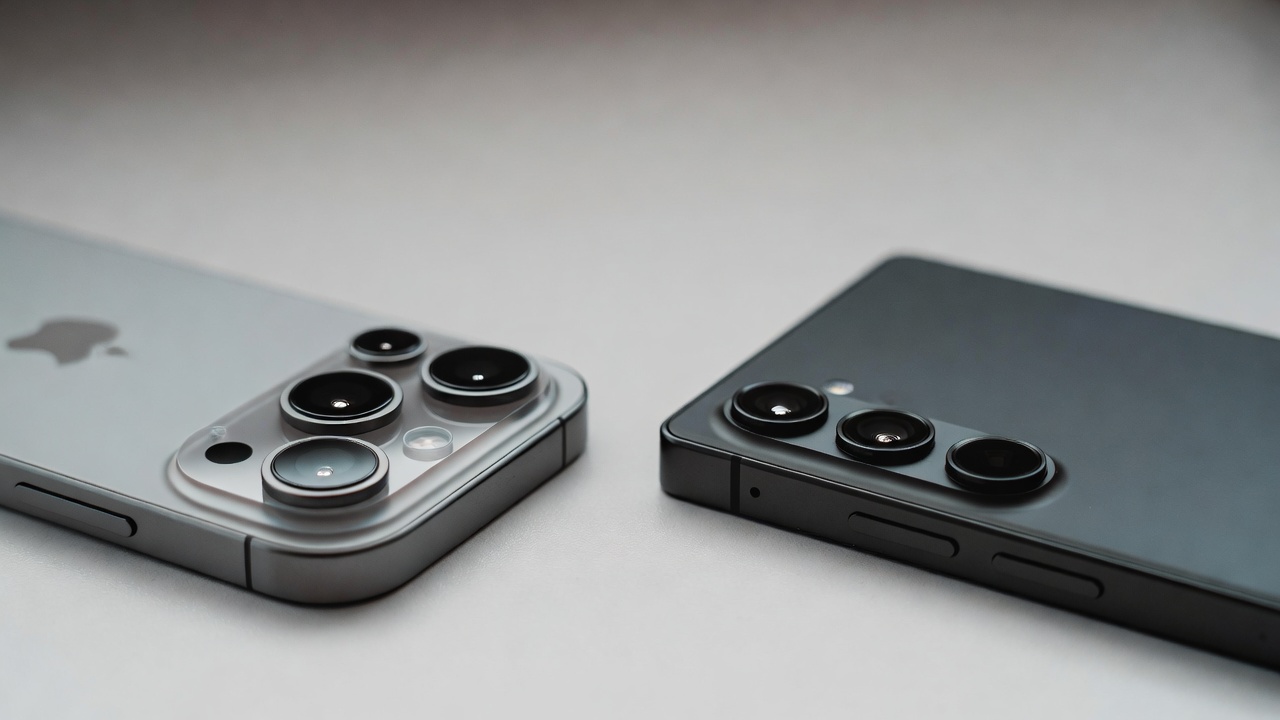
1. Hardware and Design: Innovation Has Slowed Down
If you were expecting a design revolution in 2026, you’ll be disappointed by both sides. The iPhone 16 Pro retains the titanium frame and square-edged design introduced years ago, with minor refinements to the camera bump and slightly thinner bezels. On the Android side, the Samsung Galaxy S26 Ultra and Google Pixel 10 Pro have also iterated rather than reinvented. The biggest change is happening in materials—several Android flagships now feature ceramic backs and anti-reflective glass that actually works outdoors. iPhones still feel premium, but Android manufacturers are offering more physical variety, from folding displays to phones with built-in stylus slots. If you want a device that stands out physically, Android gives you more options starting at different price points—you can explore some of these smartphone accessories and cases to customize whichever you choose.
Durability Reality Check
Both sides claim “toughest glass ever” every year, and both scratch and shatter if you drop them on concrete. What’s different in 2026 is repairability. Apple has finally made small moves toward easier battery replacements, but many Android phones (like the Fairphone and some Motorola models) remain far simpler to fix yourself. If you plan to keep your phone for four years or more, that matters.

2. Cameras: Computational Photography Is Maxed Out
Let’s be blunt: every $900+ phone in 2026 takes amazing photos in good light. The differences come down to processing style and consistency. Apple’s iPhones still aim for “realistic” with slightly warmer skin tones. Google’s Pixels lean into contrasty, vibrant shots that pop on social media. Samsung continues to oversaturate by default, though you can tweak it.
What’s improved this year is video. The iPhone 16 Pro now shoots 8K at 60fps without overheating for about 45 minutes—a solid upgrade. But the Galaxy S26 Ultra matches it, and adds a dedicated video mode that lets you monitor audio levels manually. For vloggers or parents filming kids’ games, both are overkill in the best way. Low-light performance is nearly identical across flagships now; you’ll only notice differences if you pixel-peep at 400% zoom. The real limitation? Physical lens size. Phones are too thin for serious optical zoom, so Android’s periscope lenses (5x to 10x optical) still beat the iPhone’s 5x max. If you zoom a lot, Android wins.
3. Software and Updates: The Lines Are Blurring
This used to be simple: iPhone got updates forever, Android got maybe two years. Not anymore. Google now guarantees seven years of OS updates for Pixels, and Samsung offers six for its flagships. Apple still supports devices longer (the iPhone 6s got iOS 15, for example), but the gap has shrunk. In 2026, both platforms will keep your phone secure for at least half a decade.
The bigger difference is customization. iOS 20 (released late 2025) finally lets you place app icons anywhere on the home screen and change default apps more freely, but it’s still a grid. Android 16, by contrast, lets you redesign everything—launchers, icon packs, even system fonts. If you like tweaking, Android is your only choice. If you prefer consistency and privacy features like App Tracking Transparency, iOS still leads. For more tips on getting the most out of either system, check out our guides on iOS features and updates and Android tips and tricks.
The AI Assistant Divide
Apple Intelligence, rolled out in late 2025, is tighter integrated but more limited. It summarizes notifications and edits photos, but Siri still can’t handle multi-step commands as smoothly as Google Gemini. On Android, Gemini can control smart home devices across different brands, draft emails in your tone of voice, and even book restaurant tables (with varying success). For home automation enthusiasts, Android’s AI is more useful today.
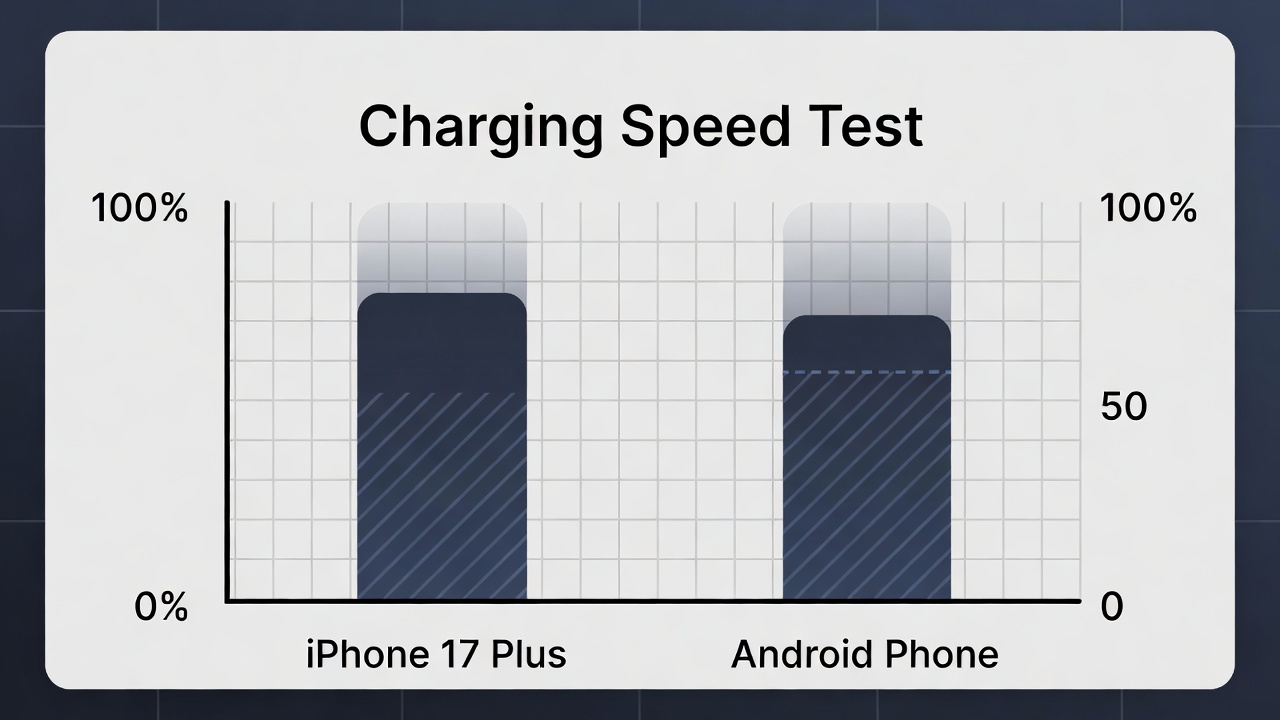
4. Battery and Charging: Android Wins on Speed, iPhone on Efficiency
Here’s where the gap is biggest. In 2026, a $600 Android phone charges at 65W to 80W, getting you to 100% in under 30 minutes. The iPhone 16 Pro Max? Still at 27W peak, taking nearly 90 minutes for a full charge. Apple’s argument is that optimized charging preserves battery health longer, and tests show iPhones retain about 85% capacity after two years versus 80% for fast-charging Androids. But if you’re the type who forgets to charge overnight, Android’s 10-minute top-up to 50% is a lifesaver.
Battery life itself is comparable—both easily last a full day. The iPhone 16 Plus is the endurance king, often hitting two days for moderate users. But Android offers larger batteries (5,500 mAh is common) and reverse wireless charging that actually works to charge your earbuds or a friend’s phone at reasonable speeds.
5. Ecosystem: The Real Lock-In
If you already own a Mac, iPad, or Apple Watch, the choice is made for you. The seamless handoff, universal clipboard, and AirDrop are too convenient to give up. Android can’t match that integration, even with Google’s cross-device features improving.
But if you use a Windows PC (which is most people), Android works better. Microsoft’s Phone Link lets you run Android apps on your desktop, see notifications, and drag-and-drop files. Apple’s iCloud for Windows is still clunky. Android also plays nicer with non-Apple smartwatches, earbuds, and smart lighting and security devices. If you’re building a smart home with mixed brands, Android gives you fewer headaches.
6. Price: The Budget Reality
You can spend $1,200 on either platform and get a fantastic phone. But Android wins at the low end. For $350–$450, phones like the Samsung A56 or Pixel 8a offer 90% of the flagship experience: good cameras, 120Hz screens, and water resistance. The cheapest new iPhone you’d actually want to use daily is the iPhone 15, still hovering around $599–$649. If you’re on a tight budget, Android is the smarter choice. For a deeper look at what you get at different price tiers, our budget and value guides break down the trade-offs.
Conclusion: Which Should You Buy?
Here’s the honest answer: if you’re deeply invested in Apple’s ecosystem or you simply prefer a phone that “just works” with minimal tinkering, buy the iPhone 16 (or even the 15—it’s still great). You’ll get excellent performance, strong privacy, and long software support.
If you want the fastest charging, more hardware choices, deeper customization, or better value under $600, Android is your platform. The Samsung Galaxy S26 and Google Pixel 10 Pro are both outstanding, and phones like the OnePlus 13 offer speeds Apple simply doesn’t match.
Your next step is simple: look at your current gadgets and your budget. If everything you own is blue bubbles and silver laptops, stick with iPhone. If you use Windows, love tweaking settings, or want the most phone for your dollar, go Android. Both will serve you well for years.
- Best Cheap Smartwatch Under $50
 Best Cheap Smartwatch Under $50: 5 Reliable Picks for 2026 By Sanso Uka If you’re hunting for the best… Read more: Best Cheap Smartwatch Under $50
 - Best Dash Cams of 2026
 Best Dash Cams of 2026: Top Picks for Every Driver and Budget By Wanderson Nogueira Martins Choosing the best… Read more: Best Dash Cams of 2026
 - How to Transfer Data to New Phone
 How to Transfer Data to a New Phone: A Step-by-Step Guide for 2026 By Sanso Uka Upgrading to a… Read more: How to Transfer Data to New Phone
 - Senior-Friendly Smartphones 2026
 Senior-Friendly Smartphones 2026: Best Overall Picks for Every Budget By Sanso Uka Senior-friendly smartphones in 2026 have come a… Read more: Senior-Friendly Smartphones 2026
 - Best Mechanical Keyboards in 2026
 Best Mechanical Keyboards in 2026 Best Mechanical Keyboards in 2026: Top Picks for Every Budget and Use Case By… Read more: Best Mechanical Keyboards in 2026
 - Best Monitor for Home Office 2026
 Best Monitor for Home Office 2026: Expert Picks & Buying Guide By Sanso Uka Your monitor is the window… Read more: Best Monitor for Home Office 2026
 - How to Extend Smartphone Battery Life
 How to Extend Smartphone Battery Life: 12 Practical Tips That Actually Work By Sanso Uka You unplugged your phone… Read more: How to Extend Smartphone Battery Life
 - Best E-Readers in 2026
 Best E-Readers in 2026: Which One Is Actually Worth Buying? Best E-Readers in 2026: Which One Is Actually Worth… Read more: Best E-Readers in 2026
 - Refurbished vs New Laptop
 Refurbished vs New Laptop: Which Should You Buy in 2026? By Sanso Uka When you’re in the market for… Read more: Refurbished vs New Laptop
 - Best Gaming Headsets Under $100
 Best Gaming Headsets Under $100 in 2026: Top Picks for Every Platform By Sanso Uka Finding the best gaming… Read more: Best Gaming Headsets Under $100
 - How Long Do Laptops Last
 How Long Do Laptops Really Last? A Practical Guide to Lifespan By Sanso Uka If you are shopping for… Read more: How Long Do Laptops Last
 - Best Portable Charger 2026
 Best Portable Charger in 2026: Top Power Banks for Every Budget and Use Case By Wanderson Nogueira Martins Finding… Read more: Best Portable Charger 2026