
Best Budget Smartphones of 2026: Top Picks Under $300
By Sanso Uka
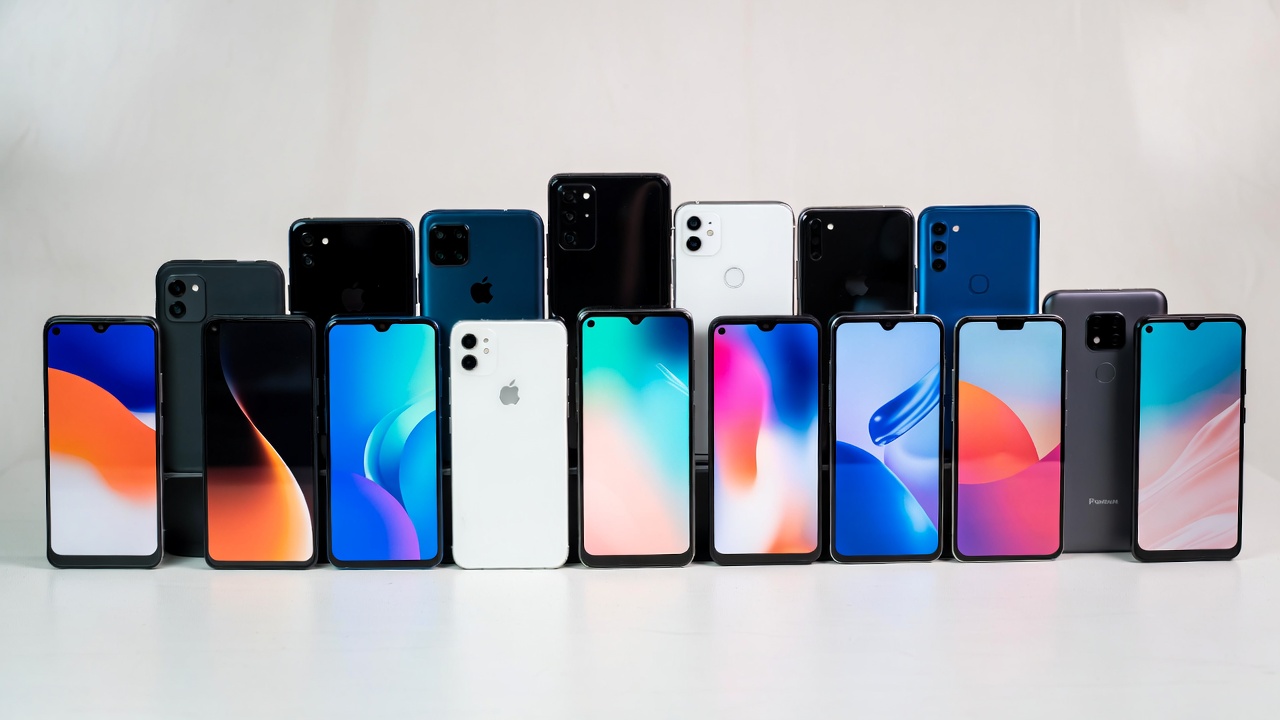
Finding the best budget smartphone in 2026 is genuinely easier than it has ever been — but that doesn’t mean every cheap phone is worth buying. The sub-$300 segment has matured dramatically, and this year you can walk away with a 120Hz AMOLED display, 5G connectivity, a solid camera, and multi-year software support without spending a dollar over $299. The challenge now is picking the right phone for your priorities, because no single device wins on every front.
After looking at what’s available across the major brands in early 2026, five phones stand out. Here’s an honest breakdown of each one — what they do well and where they fall short.
Motorola Moto G (2026) — Best Overall Under $200
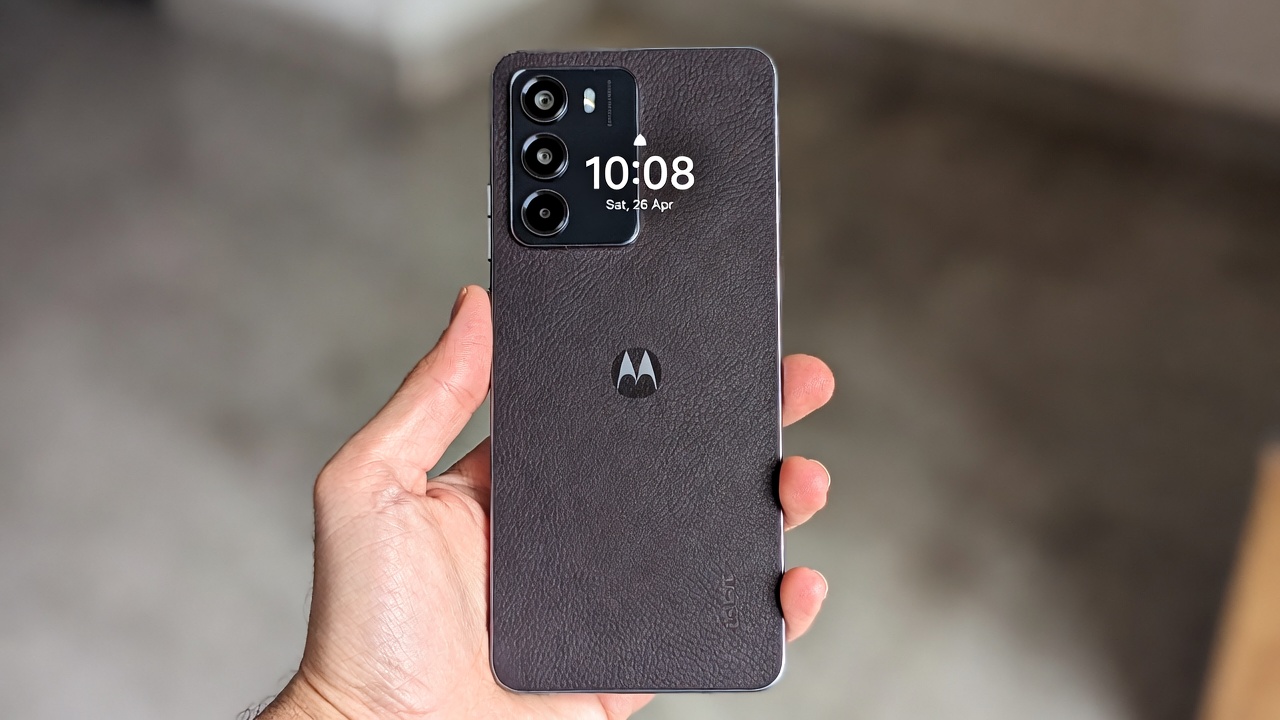
Tom’s Guide currently lists the Moto G (2026) as its top cheap phone pick, and for good reason. At well under $200, it delivers over 19 hours of battery life on a single charge — longer than the more expensive Moto G Power (2026), which tops out around 18.5 hours. The vegan leather back gives it a premium feel that defies its price tag, and Motorola’s near-stock Android experience means very little bloatware to deal with.
The honest trade-offs: the display is dim by modern standards, and the Dimensity 6300 chip isn’t breaking any speed records. If you do heavy multitasking or play demanding games, you’ll feel the limits. But for calls, social media, streaming, and everyday navigation, the Moto G handles everything cleanly. If your budget allows up to $300, buy the Moto G and keep the leftover cash — you don’t need to spend more here.
What it lacks: no wireless charging, and the camera won’t impress in low light. For everyday shooting in good conditions, it’s more than fine.
Samsung Galaxy A26 — Best for Long-Term Value
If you plan to keep your next phone for four or five years, the Galaxy A26 is hard to argue against. Samsung is promising six years of OS and security updates for this device, which means it’s technically supported through 2032 — an almost unheard-of commitment at this price point. The 120Hz Super AMOLED display hits 1,500 nits of peak brightness, making it one of the sharpest screens in the under-$300 class. The 50MP main camera includes optical image stabilization (OIS), which noticeably improves shot stability compared to competitors at this price.
The processor — an Exynos 1380 — is efficient but can stutter under heavy multitasking loads. And like most Samsung budget phones, the A26 does not include a charger in the box, so factor in the cost of a 25W brick separately.
You also get Samsung’s “Awesome Intelligence” features, a lighter version of Galaxy AI that includes Circle to Search and AI-assisted photo editing. These are genuinely useful rather than gimmicky. The A26 is the right call for anyone who values software longevity over raw performance.
For more on getting the most out of your Android device, check out our Android tips and tricks guide.
Moto G Power (2026) — Best If Battery Is Your Priority
Motorola keeps the G Power line at $299 in 2026 and bumps the battery to 5,200 mAh along with a sharper selfie camera. The new model also introduces IP69 water resistance — the ability to survive high-pressure, high-temperature water jets — which is unusual even for phones costing three times as much. The vegan leather finish adds grip and disguises the budget build quality well.
The downside is meaningful: unlike the 2025 edition, this year’s Moto G Power drops wireless charging. The Dimensity 6300 chip is the same one that underwhelmed in 2025 models. If you need the IP69 protection or genuinely want the absolute best battery stamina available under $300, this is your phone. If not, the standard Moto G gives you most of this for less money.
Samsung Galaxy A16 5G — Best Entry-Level 5G Option
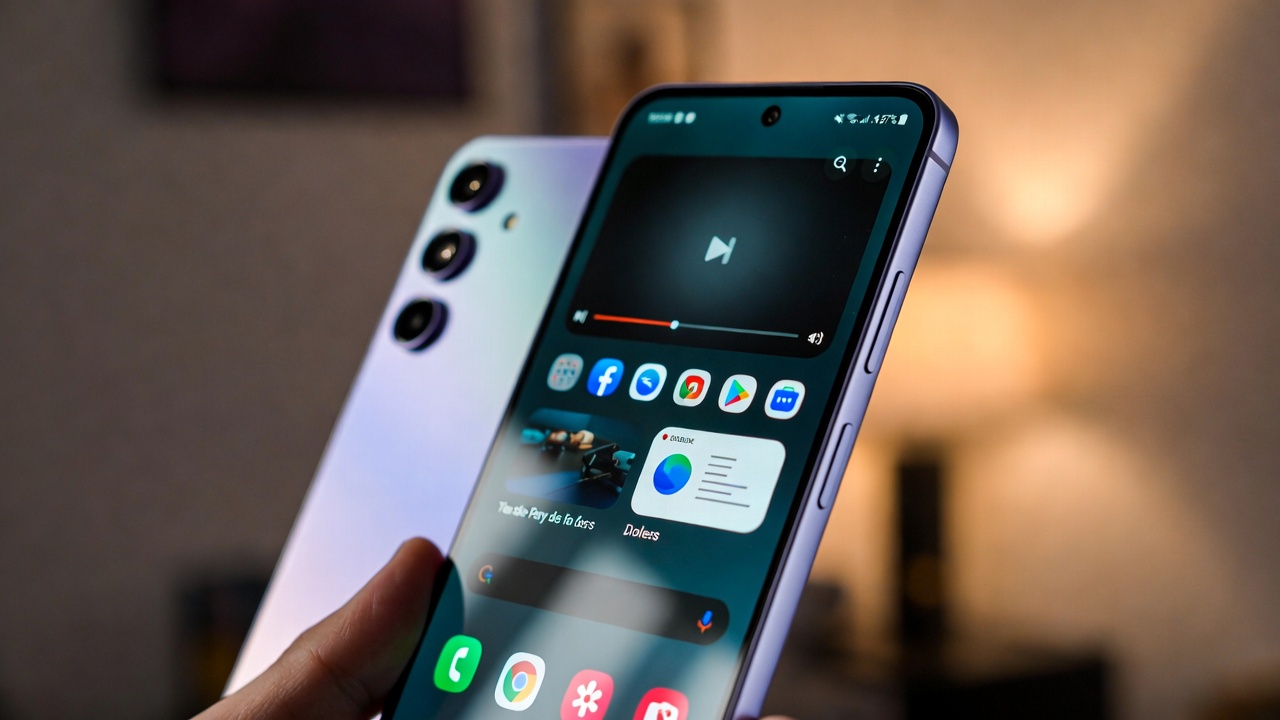
At $199, the Galaxy A16 5G is the most affordable way to get into a major brand’s 5G ecosystem. The 6.7-inch display is large enough for comfortable media consumption, and the 5,000 mAh battery easily handles a full day of heavy use. For a first smartphone, a backup device, or a work phone where simplicity matters, it checks the right boxes.
The limitations are real: the screen uses an older teardrop notch design rather than a punch-hole cutout, and internal storage speed is slower than competitors, meaning apps take noticeably longer to open cold. The camera is a 50MP shooter that performs solidly in good light but struggles at night. Samsung also doesn’t include a wall charger in the box here.
Still, for $199, you’re getting a brand-name phone with reliable software support, future-ready connectivity, and a screen size that more expensive phones charge a premium for.
OnePlus Nord N30 5G — Best for Fast Charging
The OnePlus Nord N30 5G starts around $229 and stands out for one clear reason: 50W fast charging that fully recharges the phone in approximately 45 minutes. That’s faster than most phones in this price range by a significant margin. The 6.72-inch Full HD+ display with a 120Hz refresh rate delivers a smooth, responsive experience for gaming and video.
The downside is software longevity. OnePlus commits to fewer software updates than Samsung, which matters if you’re keeping the phone for three or more years. The camera system is capable for daily photos and social media but won’t match the detail or low-light performance of the Galaxy A26 or Google’s budget Pixels. If you value fast charging above everything else in this segment, the Nord N30 earns its spot. If you care more about long-term updates or camera quality, look elsewhere.
For a broader look at smartphone accessories worth pairing with any of these picks, see our smartphone accessories guide.
What to Expect From Budget Phones in This Price Range
Across the board, phones under $300 in 2026 deliver Full HD+ or AMOLED displays with 90Hz to 120Hz refresh rates, processors from the Snapdragon 4 Gen 2 or MediaTek Dimensity series, 4GB to 8GB of RAM, 5G connectivity, and batteries between 4,500 mAh and 5,200 mAh. Camera performance in daylight has improved considerably — most of these phones shoot social-media-ready photos without issue. Low-light photography remains the consistent weakness across the segment.
One thing worth knowing: many budget phones no longer include a wall charger in the box, especially Samsung models. Budget in an extra $15–$25 if you need one. Also, software update commitments vary widely — Samsung’s six-year promise on the A26 is exceptional; most competitors offer two to three major Android updates.
Which One Should You Actually Buy?
The right pick depends on what frustrates you most in a phone. If you hate running out of battery, the Moto G Power (2026) solves that problem definitively. If you switch phones every two years, the standard Moto G (2026) gives you the best bang for your dollar. If you’re keeping this phone for four or more years, the Samsung Galaxy A26’s six-year update commitment is the most financially sensible choice in the segment. And if you need the fastest possible charge times, the OnePlus Nord N30 5G is the one to get.
For most people, the Samsung Galaxy A26 is the smartest long-term buy under $300 right now — the combination of a bright AMOLED display, OIS camera, and six years of software support is hard to match at this price. If you’re on a tighter budget, the Moto G (2026) is the honest recommendation: it outperforms its price in battery life and software cleanliness, and it leaves money in your pocket. You can also check GSMArena’s spec comparisons to verify the exact hardware details for any of these models before you buy.
Final Takeaway
Budget smartphones in 2026 have genuinely closed the gap with mid-range devices from a few years ago. You’re not settling for a bad phone — you’re choosing which compromises you can live with. Dim displays, slower processors, and limited low-light photography are the consistent trade-offs across this price band. Everything else — the screens, the battery life, the 5G connectivity, and even the software experience — has gotten good enough that most people won’t feel deprived.
If you want to explore how these phones pair with wearables and other everyday tech, take a look at our smartwatches and wearables section for compatible picks that won’t break your budget either.
- Best Cheap Smartwatch Under $50
 Best Cheap Smartwatch Under $50: 5 Reliable Picks for 2026 By Sanso Uka If you’re hunting for the… Read more: Best Cheap Smartwatch Under $50
 - Best Dash Cams of 2026
 Best Dash Cams of 2026: Top Picks for Every Driver and Budget By Wanderson Nogueira Martins Choosing the… Read more: Best Dash Cams of 2026
 - How to Transfer Data to New Phone
 How to Transfer Data to a New Phone: A Step-by-Step Guide for 2026 By Sanso Uka Upgrading to… Read more: How to Transfer Data to New Phone
 - Senior-Friendly Smartphones 2026
 Senior-Friendly Smartphones 2026: Best Overall Picks for Every Budget By Sanso Uka Senior-friendly smartphones in 2026 have come… Read more: Senior-Friendly Smartphones 2026
 - Best Mechanical Keyboards in 2026
 Best Mechanical Keyboards in 2026 Best Mechanical Keyboards in 2026: Top Picks for Every Budget and Use Case… Read more: Best Mechanical Keyboards in 2026
 - Best Monitor for Home Office 2026
 Best Monitor for Home Office 2026: Expert Picks & Buying Guide By Sanso Uka Your monitor is the… Read more: Best Monitor for Home Office 2026
 - How to Extend Smartphone Battery Life
 How to Extend Smartphone Battery Life: 12 Practical Tips That Actually Work By Sanso Uka You unplugged your… Read more: How to Extend Smartphone Battery Life
 - Best E-Readers in 2026
 Best E-Readers in 2026: Which One Is Actually Worth Buying? Best E-Readers in 2026: Which One Is Actually… Read more: Best E-Readers in 2026
 - Refurbished vs New Laptop
 Refurbished vs New Laptop: Which Should You Buy in 2026? By Sanso Uka When you’re in the market… Read more: Refurbished vs New Laptop
 - Best Gaming Headsets Under $100
 Best Gaming Headsets Under $100 in 2026: Top Picks for Every Platform By Sanso Uka Finding the best… Read more: Best Gaming Headsets Under $100
 - How Long Do Laptops Last
 How Long Do Laptops Really Last? A Practical Guide to Lifespan By Sanso Uka If you are shopping… Read more: How Long Do Laptops Last
 - Best Portable Charger 2026
 Best Portable Charger in 2026: Top Power Banks for Every Budget and Use Case By Wanderson Nogueira Martins… Read more: Best Portable Charger 2026