
Metaverse in 2026: What’s Really Happening Behind the Hype
The metaverse dominated tech headlines just a few years ago, with predictions of a revolutionary digital future that would transform how we work, play, and connect. But as we navigate through 2026, you might be wondering: is the metaverse still happening, or was it just another tech buzzword that faded into obscurity? The answer is more nuanced than you might expect, and understanding where this technology stands today can help you make informed decisions about its relevance to your life and business.
I remember when Meta (formerly Facebook) announced their massive pivot toward virtual reality in 2021. The excitement was palpable, and it seemed like everyone was talking about buying virtual real estate and attending concerts as avatars. Fast forward to today, and the conversation has shifted dramatically. The metaverse isn’t dead, but it’s evolved into something quite different from those initial grand visions.
In this comprehensive guide, we’ll explore the current state of the metaverse, examine which applications are actually gaining traction, and help you understand whether this technology deserves your attention in 2026. Whether you’re a business owner considering virtual spaces or simply curious about where all that investment went, you’ll get clear answers backed by real-world developments.
The Reality Check: Where the Metaverse Stands Today
Let’s address the elephant in the room first. The metaverse hasn’t become the all-encompassing virtual world that many predicted would replace our physical reality. The vision of everyone spending hours daily as avatars in fully immersive digital spaces simply hasn’t materialized on that scale.
However, dismissing the metaverse entirely would be a mistake. What’s actually happening is more interesting than a simple success or failure narrative. Companies have shifted from building one universal metaverse to creating specialized virtual environments for specific purposes. Think of it less like a single alternative universe and more like a collection of powerful tools that blend digital and physical experiences.
Major tech companies continue investing billions in this space, but their strategies have matured considerably. Meta reported spending over $36 billion on Reality Labs between 2021 and 2023, and while that’s slowed somewhat, the commitment remains. Apple entered the market with their Vision Pro headset in 2024, signaling that serious players still see potential here. Microsoft focuses on enterprise applications through their Mesh platform, finding real traction in business settings.
The key difference in 2026 is expectation management. Instead of promising to revolutionize everything overnight, companies now focus on solving specific problems where virtual and augmented reality actually add value. This practical approach is yielding better results than the earlier hype ever did.
Where the Metaverse Is Actually Succeeding
You might be surprised to learn that several metaverse applications have found genuine product-market fit. These aren’t the flashy consumer applications that grabbed headlines, but they’re delivering real value in specific contexts.
Enterprise training leads the pack as one of the most successful use cases. Companies like Walmart, Boeing, and various medical institutions use VR environments to train employees in realistic scenarios without real-world risks or costs. A surgeon can practice a complex procedure dozens of times in VR before touching an actual patient. Factory workers can learn to operate dangerous machinery in a consequence-free environment. The training retention rates in these immersive experiences significantly exceed traditional methods.
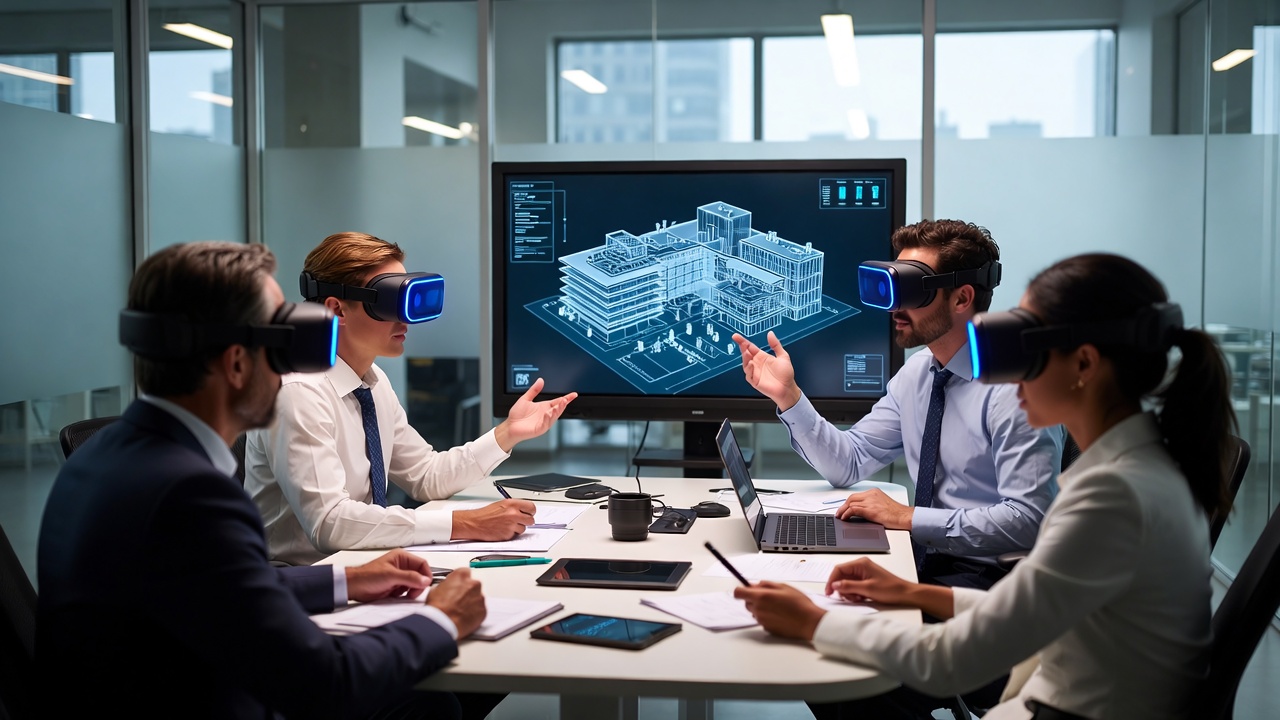
- Virtual Workspaces: Remote collaboration tools have evolved beyond simple video calls. Platforms like Horizon Workrooms and Microsoft Mesh allow teams to meet in shared virtual spaces where they can manipulate 3D models, brainstorm on virtual whiteboards, and feel more present than a typical Zoom call allows. While not universal, these tools serve distributed teams in design, architecture, and engineering particularly well.
- Gaming and Entertainment: This remains the most robust consumer application. Games like Roblox and Fortnite continue thriving as social platforms where millions gather. These aren’t traditional metaverse visions, but they demonstrate people’s willingness to spend time in persistent virtual worlds when the experience is engaging enough. Virtual concerts and events have become normalized rather than novel.
- Digital Fashion and Virtual Goods: The market for digital wearables and virtual items has stabilized into a legitimate industry. Brands like Nike, Gucci, and Adidas maintain virtual product lines. While the NFT craze has cooled considerably, the underlying concept of digital ownership in virtual spaces persists in more sustainable forms.
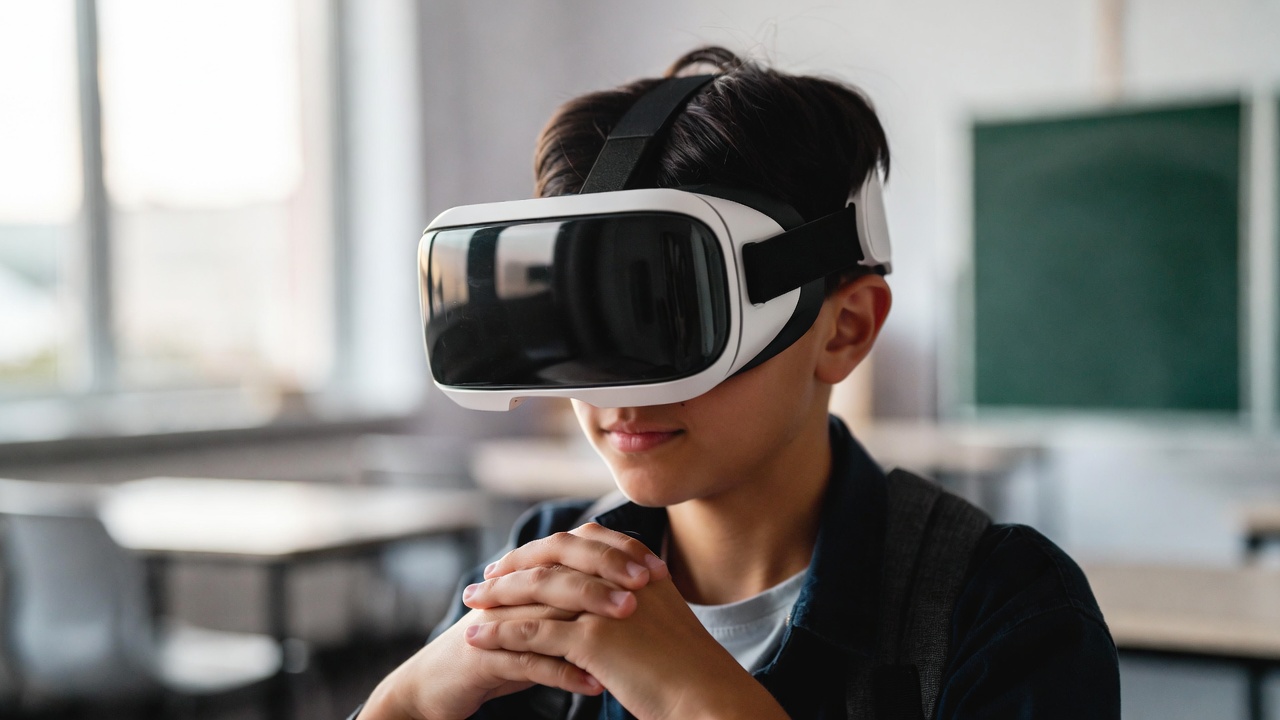
- Education and Museums: Virtual field trips and immersive educational experiences offer students access to places and scenarios impossible in traditional classrooms. You can explore ancient Rome as it actually looked, dissect a virtual frog without ethical concerns, or visit museums across the world from your classroom.
What connects these success stories is practicality. They solve real problems or provide genuine value rather than chasing a vague vision of living in cyberspace. The metaverse works best when it enhances rather than replaces physical experiences.
For more insights on emerging technology trends, check out our coverage of future AI trends and how they intersect with virtual environments.
The Technology That Makes It Possible
Understanding the metaverse requires looking at the hardware and software infrastructure supporting these experiences. The technology has advanced significantly, though challenges remain.
VR headsets have become lighter, more powerful, and more affordable since the early days. Meta’s Quest 3, released in late 2023, offers standalone VR experiences without requiring a gaming PC, starting around $500. Apple’s Vision Pro brings spatial computing to a premium market at $3,500, emphasizing mixed reality where digital content blends with your physical environment. These devices provide 4K+ resolution per eye, making text readable and experiences more comfortable for extended use.
However, the hardware still faces adoption barriers. Headsets remain bulky enough that wearing them for hours feels uncomfortable for most people. Motion sickness affects a meaningful percentage of users. The social awkwardness of wearing a headset around others limits when and where people use these devices. Battery life typically caps sessions at 2-3 hours for standalone devices.
The software ecosystem has matured considerably. Development platforms like Unity and Unreal Engine make creating metaverse experiences more accessible. Web-based metaverse platforms eliminate the need for app downloads, lowering barriers to entry. Interoperability standards are slowly emerging, allowing avatars and digital assets to move between different platforms, though we’re still far from universal compatibility.
Network infrastructure matters enormously for metaverse experiences. Low latency connections prevent the nausea-inducing lag that plagued earlier VR. The rollout of 5G networks and improvements in edge computing have made mobile metaverse experiences more viable. Cloud rendering technology allows less powerful devices to access graphically intensive virtual worlds by processing visuals remotely.

What Happened to the Hype: Understanding the Correction
The dramatic shift from metaverse mania to skepticism teaches important lessons about technology adoption cycles. When Meta went all-in on the metaverse concept in late 2021, it sparked a gold rush mentality. Companies rushed to claim their stake, often without clear strategies or understanding of the technology’s limitations.
Virtual real estate became a particularly instructive cautionary tale. People and companies spent millions buying digital land parcels in platforms like Decentraland and The Sandbox, expecting these to appreciate like physical property. Instead, most virtual real estate values crashed 85-95% from their peaks as traffic to these platforms plummeted. The fundamental assumption that scarcity in infinite digital spaces would create value proved flawed.
The cryptocurrency winter of 2022-2023 significantly impacted metaverse projects built on blockchain technology. Many platforms tied their economies to crypto tokens that lost most of their value. This financial collapse dampened enthusiasm and revealed how much of the metaverse hype was driven by speculation rather than utility.
Consumer interest didn’t match corporate investment. While companies spent billions building metaverse platforms, regular users showed limited interest in spending significant time in these spaces. Meta’s Horizon Worlds struggled to retain users, with internal documents revealing disappointingly low engagement numbers. The gap between vision and reality became impossible to ignore.
What we’re experiencing now is a healthier, more sustainable phase. The irrational exuberance has faded, but serious development continues with realistic expectations. This pattern mirrors previous technology cycles like the dot-com bubble or early smartphone predictions. The technology is finding its appropriate place in the ecosystem rather than trying to be everything to everyone.
The Business Perspective: Should Companies Invest in Metaverse Strategies?
If you’re running a business, you’re probably wondering whether the metaverse deserves a place in your strategy for 2026. The answer depends entirely on your industry, audience, and specific use cases.
For certain sectors, metaverse technologies offer compelling advantages. Retailers benefit from virtual showrooms where customers can examine products in 3D before purchasing. IKEA and other furniture companies have found success letting customers visualize items in their actual spaces through AR applications. Real estate firms use virtual tours to show properties to distant buyers efficiently. These applications don’t require fully immersive VR headsets, making them accessible through smartphones or computers.
Manufacturing and industrial companies find legitimate value in digital twins—virtual replicas of physical systems that allow monitoring, testing, and optimization without disrupting actual operations. Siemens, GE, and other industrial giants use these technologies extensively. Training and safety applications justify VR investments for companies where mistakes carry high costs.
However, many businesses have no compelling reason to invest in metaverse presence yet. A local restaurant doesn’t benefit from a virtual dining room. Most service businesses find better returns from improving their websites or mobile apps than building VR experiences. The key question is always: does this solve a real problem for my customers or improve their experience meaningfully?
If you’re considering metaverse investment, start small with pilot projects. Test whether your audience actually engages with virtual experiences before committing significant resources. Focus on augmented reality applications that work on existing devices before requiring customers to buy new hardware. Partner with established platforms rather than building your own metaverse from scratch.
For businesses interested in integrating emerging technologies, exploring AI tools and chatbots might offer more immediate returns while complementing future metaverse strategies.
Privacy, Safety, and Ethical Considerations
As metaverse technologies mature, important questions about privacy, safety, and ethics demand attention. These virtual spaces collect unprecedented amounts of data about users, raising concerns that deserve serious consideration.
VR headsets track your eye movements, hand gestures, body positions, and even subtle behavioral patterns that reveal information about your physical and mental state. This biometric data is far more personal than what traditional apps collect. Companies can potentially infer your emotional state, detect lies, or identify you by unique movement patterns. The lack of comprehensive regulation around this data creates risks.
Harassment and safety issues plague social VR platforms. The immersive nature of these experiences makes negative interactions feel more visceral than text-based abuse. Reports of virtual harassment describe experiences as traumatic as physical-world incidents. Platforms struggle to moderate behavior effectively in real-time 3D spaces where traditional content moderation tools don’t work well.
Children’s safety presents particular challenges. Young users enthusiastically adopt metaverse platforms like Roblox, but ensuring age-appropriate experiences and preventing predatory behavior remains difficult. Parental controls and verification systems lag behind the technology’s capabilities.
Digital addiction concerns intensify with immersive technologies. When virtual experiences feel increasingly real, the line between healthy escapism and problematic disconnection from physical life blurs. Mental health professionals are beginning to see cases of VR addiction, though research on this phenomenon remains limited.
The positive side includes accessibility benefits. Virtual spaces can level playing fields for people with physical disabilities, offering experiences and social connections otherwise unavailable. This democratizing potential represents one of the technology’s most promising aspects when designed thoughtfully.
What the Next Few Years Actually Look Like
Predicting technology trends is always risky, but we can make some educated assessments about where metaverse development heads from here. The path forward looks evolutionary rather than revolutionary.
Mixed reality will likely overtake pure VR for most applications. Apple’s bet on spatial computing—blending digital content with physical environments—reflects where the industry is heading. This approach feels less isolating than full VR immersion and integrates more naturally into daily life. Expect more applications that enhance your view of the real world rather than replacing it entirely.
AI integration will transform metaverse experiences significantly. Virtual environments populated with AI-driven characters that respond intelligently to users create more dynamic, personalized experiences. Generative AI tools will let users create content and customize virtual spaces without technical expertise. The convergence of AI and metaverse technologies promises more engaging and accessible virtual worlds. Learn more about machine learning applications shaping these developments.
Hardware will continue improving, though revolutionary breakthroughs remain years away. Expect headsets to get lighter, more comfortable, and gradually cheaper. Display quality will increase, reducing the screen-door effect that breaks immersion. However, the compact, lightweight AR glasses that look like normal eyewear are still 5-10 years from mainstream viability.
Interoperability standards will slowly emerge, allowing movement between platforms. Organizations are working on common protocols for avatars, digital assets, and virtual spaces. This will make the metaverse feel less fragmented, though universal compatibility remains a long-term goal.
Niche applications will thrive while the universal metaverse vision fades. We’ll see specialized virtual environments for specific purposes—professional training, creative collaboration, particular gaming communities—rather than one platform attempting to serve all needs. This fragmentation actually benefits users by allowing optimization for specific use cases.
Should You Care About the Metaverse in 2026?
This brings us to the practical question most people have: does the metaverse matter for your life right now? The honest answer for most individuals is “not particularly, but keep watching.”
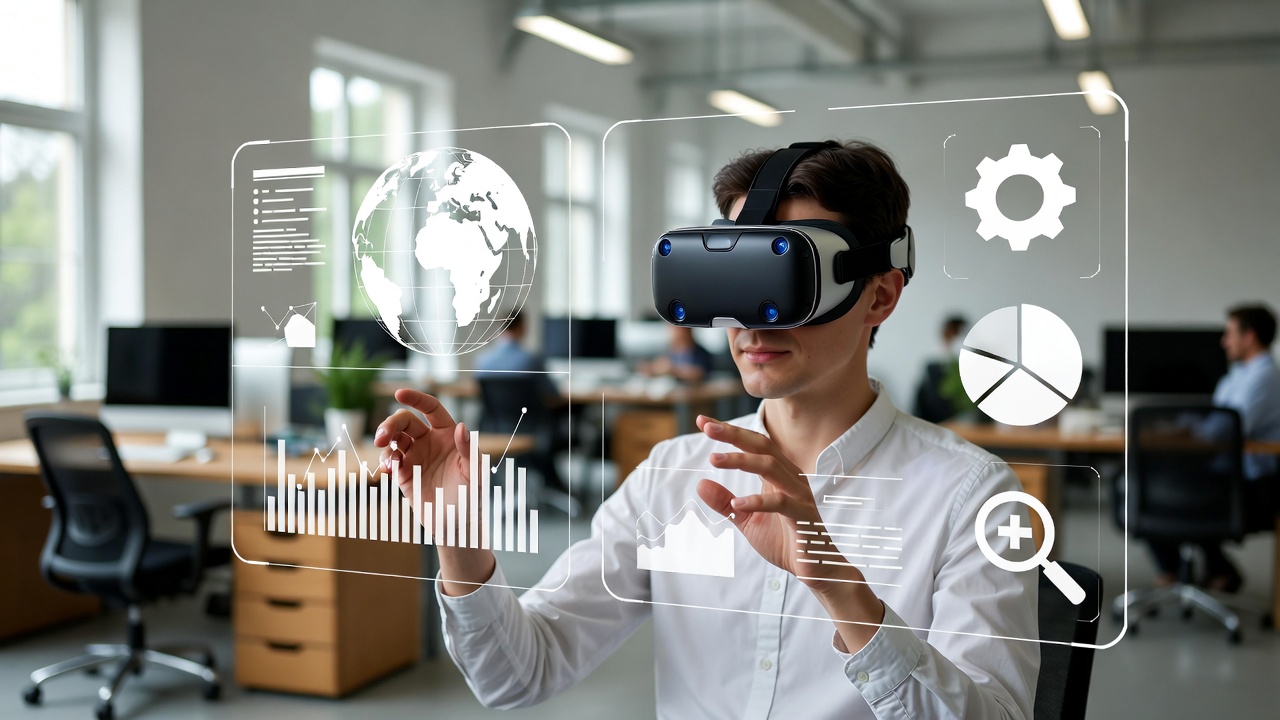
If you’re in gaming, design, architecture, engineering, or education, metaverse tools might already enhance your work. These fields show clear benefits from immersive 3D environments and collaborative virtual spaces. Experimenting with available platforms makes sense to stay current with your industry’s direction.
For general consumers, the metaverse remains optional. You’re not missing critical experiences by skipping VR headsets. Social connections, entertainment, shopping, and work still function perfectly well through traditional digital interfaces. However, trying VR experiences occasionally helps you understand where technology is heading and what might eventually become mainstream.
Tech enthusiasts and early adopters will find interesting developments to explore. The technology has matured enough that quality experiences exist if you know where to look. Gaming in VR offers genuinely novel entertainment. Virtual fitness applications provide effective workouts. Social VR platforms host communities with unique dynamics impossible in other mediums.
The smartest approach is informed skepticism combined with open-minded curiosity. Don’t believe predictions that everyone will live in virtual worlds soon, but don’t dismiss the technology entirely either. Monitor developments in your industry, try experiences that seem interesting, and invest time or money proportional to actual value rather than fear of missing out.
For those interested in staying current with technology trends, our guides on smartwatches and wearables and home automation cover complementary technologies that might offer more immediate practical benefits.
Conclusion
So, is the metaverse still happening? Yes, but not in the way early hype suggested. The universal virtual world where everyone lives second lives hasn’t materialized, and probably won’t anytime soon. Instead, we’re seeing the emergence of specialized virtual and augmented reality applications that solve specific problems and serve particular audiences effectively.
The technology continues advancing steadily, with billions in ongoing investment from major companies. Real applications in training, collaboration, gaming, and education demonstrate genuine value. The infrastructure improves yearly, making experiences more accessible and enjoyable. However, widespread mainstream adoption remains years away, dependent on hardware breakthroughs and killer applications that haven’t emerged yet.
The healthiest perspective treats the metaverse as an evolving set of tools rather than an inevitable destiny. Pay attention to developments, experiment when opportunities arise, but maintain realistic expectations about timelines and impact. The revolution was oversold, but the evolution continues—and that’s actually more interesting than any hype cycle could deliver.
🛒 Recommended Products for Metaverse Exploration
Based on the metaverse technologies discussed in this article, we’ve curated a selection of top-rated VR headsets, accessories, and devices that deliver exceptional performance and value. These recommendations are carefully chosen to help you explore virtual reality experiences that best fit your needs and budget.





- Best Cheap Smartwatch Under $50
 Best Cheap Smartwatch Under $50: 5 Reliable Picks for 2026 By Sanso Uka If you’re hunting for the best cheap… Read more: Best Cheap Smartwatch Under $50
 - Best Dash Cams of 2026
 Best Dash Cams of 2026: Top Picks for Every Driver and Budget By Wanderson Nogueira Martins Choosing the best dash… Read more: Best Dash Cams of 2026
 - How to Transfer Data to New Phone
 How to Transfer Data to a New Phone: A Step-by-Step Guide for 2026 By Sanso Uka Upgrading to a new… Read more: How to Transfer Data to New Phone
 - Senior-Friendly Smartphones 2026
 Senior-Friendly Smartphones 2026: Best Overall Picks for Every Budget By Sanso Uka Senior-friendly smartphones in 2026 have come a long… Read more: Senior-Friendly Smartphones 2026
 - Best Mechanical Keyboards in 2026
 Best Mechanical Keyboards in 2026 Best Mechanical Keyboards in 2026: Top Picks for Every Budget and Use Case By Sanso… Read more: Best Mechanical Keyboards in 2026
 - Best Monitor for Home Office 2026
 Best Monitor for Home Office 2026: Expert Picks & Buying Guide By Sanso Uka Your monitor is the window to… Read more: Best Monitor for Home Office 2026
 - How to Extend Smartphone Battery Life
 How to Extend Smartphone Battery Life: 12 Practical Tips That Actually Work By Sanso Uka You unplugged your phone at… Read more: How to Extend Smartphone Battery Life
 - Best E-Readers in 2026
 Best E-Readers in 2026: Which One Is Actually Worth Buying? Best E-Readers in 2026: Which One Is Actually Worth Buying?… Read more: Best E-Readers in 2026
 - Refurbished vs New Laptop
 Refurbished vs New Laptop: Which Should You Buy in 2026? By Sanso Uka When you’re in the market for a… Read more: Refurbished vs New Laptop
 - Best Gaming Headsets Under $100
 Best Gaming Headsets Under $100 in 2026: Top Picks for Every Platform By Sanso Uka Finding the best gaming headset… Read more: Best Gaming Headsets Under $100
 - How Long Do Laptops Last
 How Long Do Laptops Really Last? A Practical Guide to Lifespan By Sanso Uka If you are shopping for a… Read more: How Long Do Laptops Last
 - Best Portable Charger 2026
 Best Portable Charger in 2026: Top Power Banks for Every Budget and Use Case By Wanderson Nogueira Martins Finding the… Read more: Best Portable Charger 2026