
Quantum Computing Advancements: A Complete Guide to the Technology Shaping Our Future (2026)
Quantum computing advancements are transforming technology faster than most people realize. If you’ve been hearing about quantum computers breaking encryption, solving impossible problems, or revolutionizing artificial intelligence, you’re witnessing one of the most significant technological shifts of our generation. But what does this actually mean for everyday tech users like us?
I remember when I first tried to understand quantum computing—it felt like trying to grasp smoke. The concepts seemed impossibly abstract, reserved for physicists in lab coats. But here’s the thing: quantum computing advancements are already influencing the technology we use daily, from more secure online banking to better drug discovery and optimized supply chains.
In this guide, I’ll walk you through the latest breakthroughs in quantum computing, explain what they mean in practical terms, and show you how this technology is moving from theoretical science to real-world applications. Whether you’re a tech enthusiast, a professional keeping up with industry trends, or simply curious about the future, you’ll find actionable insights that demystify this revolutionary technology.
Understanding Quantum Computing: Beyond the Buzzwords
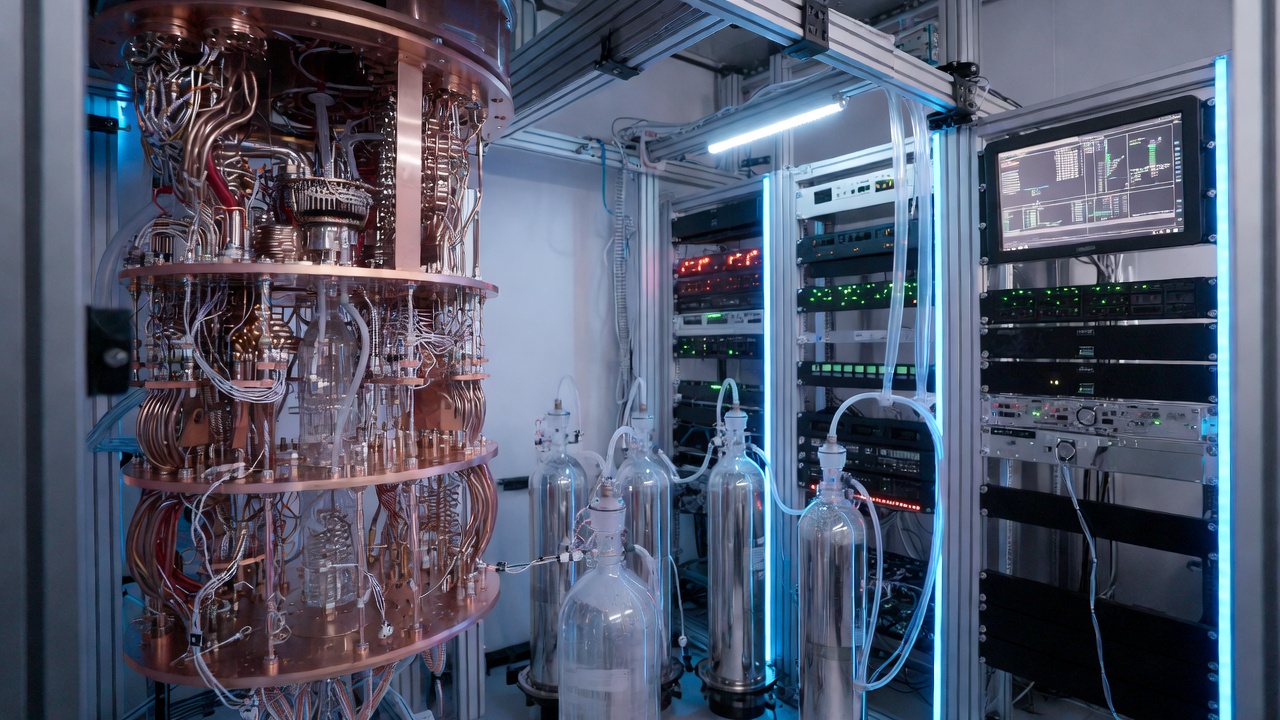
Let’s start with the basics. Traditional computers—the ones we use every day—process information in bits that are either 0 or 1. Think of them as light switches: they’re either on or off. Quantum computers, however, use quantum bits or “qubits” that can exist in multiple states simultaneously through a phenomenon called superposition.
What makes quantum computing advancements so exciting is their exponential processing power. While a classical computer with three bits can store one of eight possible values (000, 001, 010, etc.), a quantum computer with three qubits can store all eight values at once. Scale that up to 50 or 100 qubits, and you’re talking about computational power that exceeds anything classical computers can achieve.
In my experience following the tech industry, quantum computing felt distant until recently. Now, major companies like IBM, Google, and Microsoft are making quantum systems accessible through cloud platforms. This democratization means developers and researchers worldwide can experiment with quantum algorithms without needing a multi-million dollar lab setup.
The real breakthrough isn’t just theoretical anymore. Quantum computing advancements in 2025 and early 2026 have brought us closer to “quantum advantage”—the point where quantum computers solve real problems better than classical ones. We’re seeing this in optimization problems, cryptography, and molecular simulation.
Major Quantum Computing Breakthroughs in 2025-2026
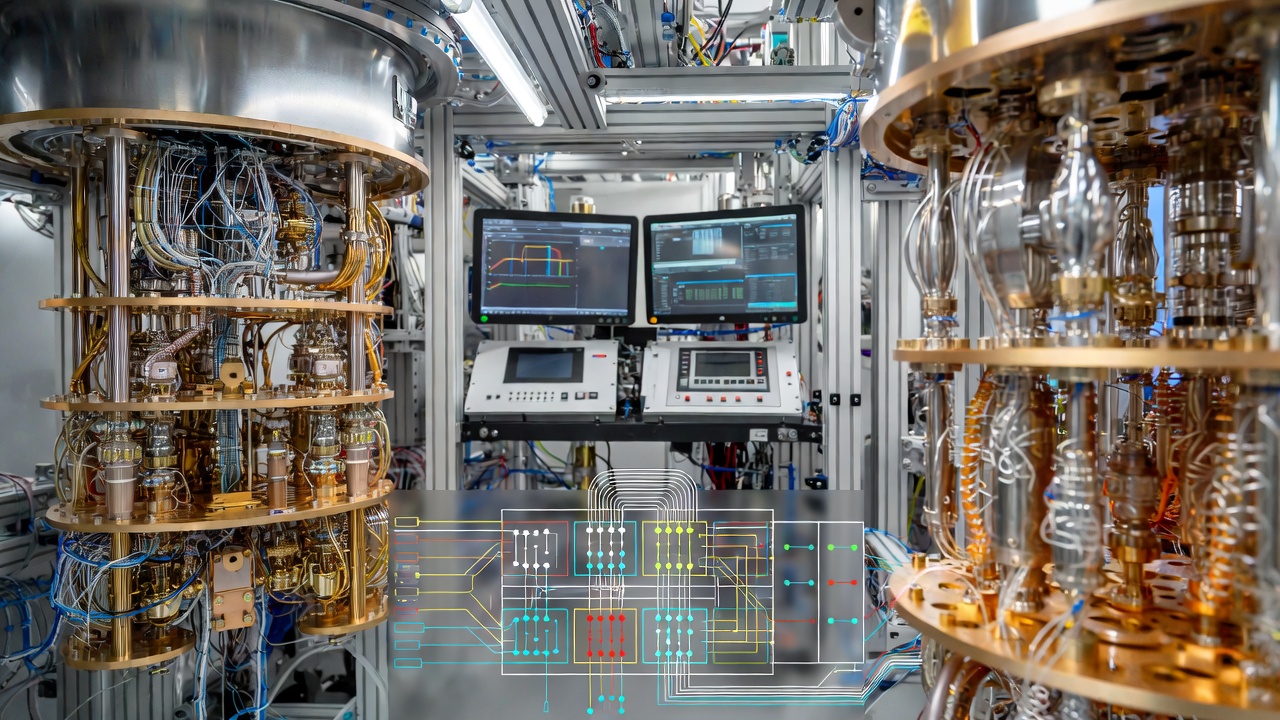
The past year has delivered some remarkable quantum computing advancements that are reshaping what’s possible. These aren’t just incremental improvements—they’re game-changing developments that bring quantum technology closer to mainstream adoption.
Here are the most significant breakthroughs that matter for practical applications:
- Error Correction Improvements: Quantum computers are notoriously fragile, with qubits losing information due to environmental interference. Recent advancements in quantum error correction have extended coherence times from microseconds to milliseconds, making calculations more reliable. This means quantum systems can now perform longer, more complex operations without losing accuracy.
- Increased Qubit Counts: IBM recently announced systems with over 1,000 qubits, while Google’s latest quantum processor demonstrates improved connectivity between qubits. More qubits mean more computational power, but quality matters as much as quantity. The focus has shifted to creating stable, well-connected qubit networks.
- Room Temperature Progress: Traditional quantum computers require temperatures near absolute zero (-273°C), making them expensive and impractical. Researchers have made quantum computing advancements toward room-temperature qubits using different materials like silicon carbide and diamond defects, potentially reducing costs dramatically.
- Hybrid Quantum-Classical Systems: Rather than replacing classical computers, the smartest approach combines both. New hybrid architectures let quantum processors handle specific tasks while classical computers manage the rest. This integration makes quantum computing more practical for real businesses today.
What excites me most about these quantum computing advancements is their accessibility. Cloud-based quantum computing platforms now let developers at software companies experiment with quantum algorithms without specialized hardware. You can literally write quantum code from your laptop and run it on real quantum computers thousands of miles away.
The implications ripple across industries. Pharmaceutical companies are using quantum simulations to model molecular interactions, potentially cutting drug development time from years to months. Financial institutions are exploring quantum algorithms for portfolio optimization and risk analysis. Even machine learning applications are being reimagined through quantum approaches.
How Quantum Computing Is Changing Artificial Intelligence
One of the most promising areas for quantum computing advancements is artificial intelligence. The connection makes sense when you think about it—both technologies deal with processing enormous amounts of data and finding patterns in complexity.
Quantum machine learning algorithms can potentially analyze datasets exponentially faster than classical approaches. Imagine training an AI model in hours instead of weeks, or processing real-time data streams that would overwhelm traditional systems. That’s the promise quantum computing brings to AI development.
Current AI systems, even sophisticated ones, face limitations in optimization problems. Training large neural networks requires massive computational resources and energy consumption. Quantum computing advancements offer solutions through quantum annealing and variational quantum algorithms designed specifically for optimization tasks.
Several tech companies are already exploring quantum-enhanced AI. IBM’s quantum machine learning toolkit lets developers experiment with quantum neural networks. Google’s research demonstrates quantum computers can generate truly random numbers for cryptography and improved AI training data. Microsoft integrates quantum development tools into their Azure platform, making it accessible to AI researchers worldwide.
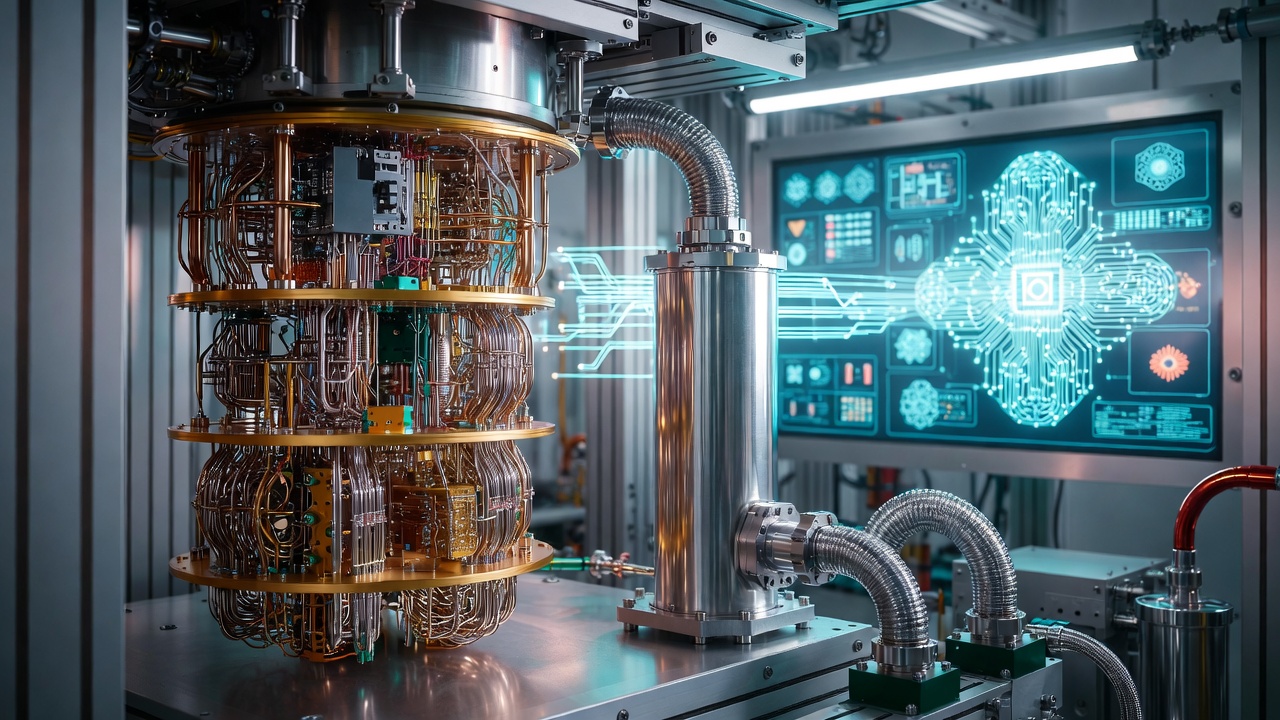
The relationship between quantum computing and AI is symbiotic. While quantum computers enhance AI capabilities, AI algorithms help optimize quantum systems themselves. Machine learning techniques now calibrate quantum processors, predict errors, and improve gate operations. This feedback loop accelerates progress in both fields.
For anyone working in AI development, understanding quantum computing advancements isn’t optional anymore—it’s becoming essential. The next generation of AI tools will likely leverage quantum processing for specific tasks, creating hybrid systems that combine the best of both worlds.
Quantum Computing and Cybersecurity: What You Need to Know
Here’s something that keeps security experts awake at night: quantum computers could break most of today’s encryption. It’s not science fiction—it’s a real concern that’s driving quantum computing advancements in cryptography.
Current encryption methods rely on mathematical problems that classical computers can’t solve quickly, like factoring large numbers. RSA encryption, which secures everything from online banking to government communications, would take classical computers thousands of years to crack. A sufficiently powerful quantum computer could do it in hours or days using Shor’s algorithm.
But here’s the good news: quantum computing advancements aren’t just creating the problem—they’re also providing solutions. Post-quantum cryptography develops new encryption methods resistant to quantum attacks. Organizations worldwide are already transitioning to quantum-safe algorithms before quantum computers become powerful enough to pose serious threats.
The cybersecurity implications affect everyone. If you use smartphones, online banking, or any digital service, quantum computing will eventually impact how your data gets protected. The transition to quantum-resistant encryption is happening now, though most users won’t notice the behind-the-scenes changes.
Quantum key distribution (QKD) represents another quantum computing advancement in security. It uses quantum mechanics principles to create theoretically unbreakable encryption keys. Any attempt to intercept the key disturbs the quantum state, immediately alerting both parties to the security breach. Several countries have already built quantum communication networks using this technology.
Practical Applications: Where Quantum Computing Makes a Difference Today
You might be wondering: when will quantum computing actually affect my life? The answer is—it already does, just not in obvious ways. Let me share some real-world applications where quantum computing advancements are making tangible impacts right now.
In drug discovery, quantum computers simulate molecular interactions with unprecedented accuracy. Classical computers struggle to model complex molecules because the calculations grow exponentially with molecular size. Quantum computers handle this naturally, potentially identifying promising drug candidates years faster than traditional methods.
The automotive industry uses quantum algorithms for optimization problems. When designing electric vehicle batteries, engineers must balance dozens of variables—energy density, charging speed, cost, weight, and durability. Quantum computing advancements help solve these multi-variable optimization problems more efficiently than classical approaches.
Financial services leverage quantum computing for portfolio optimization and risk assessment. Traditional methods can analyze limited scenarios due to computational constraints. Quantum algorithms can evaluate exponentially more possibilities simultaneously, leading to better investment strategies and risk management.
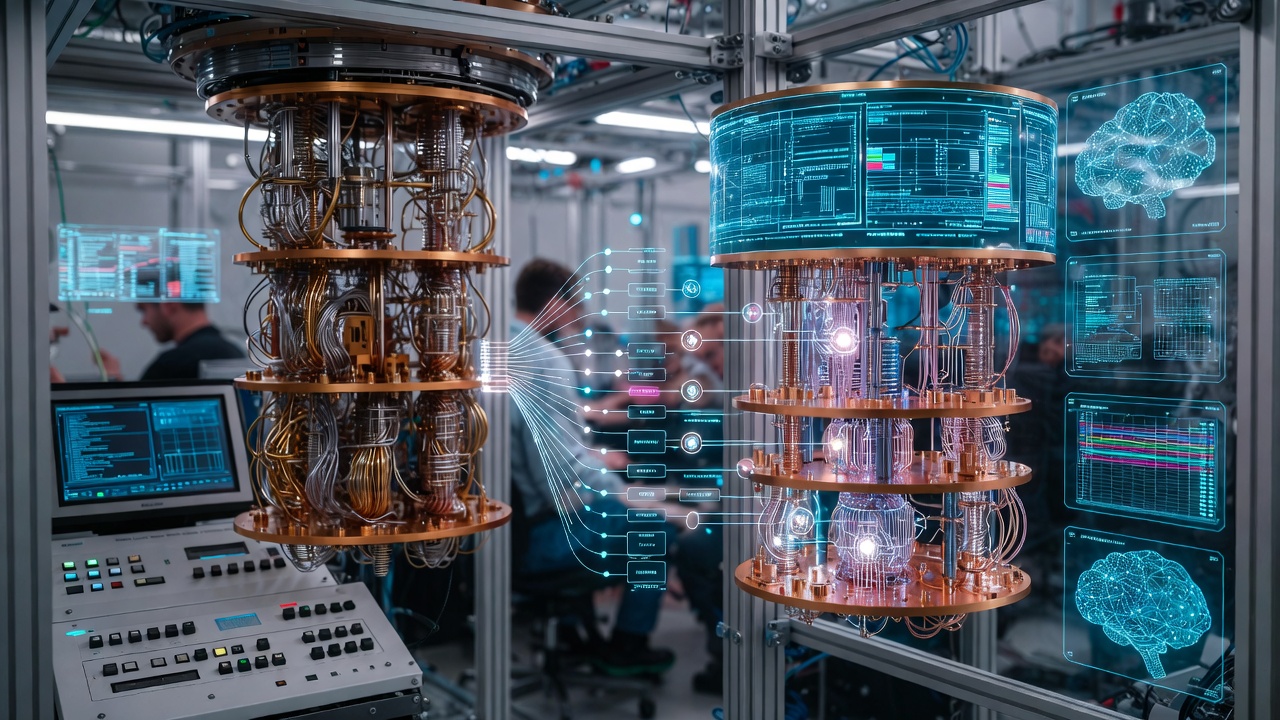
Supply chain management benefits enormously from quantum optimization. Companies like Volkswagen use quantum algorithms to optimize traffic flow and delivery routes. The complexity of coordinating thousands of vehicles, delivery schedules, and route options overwhelms classical computers but fits naturally with quantum approaches.
Climate modeling represents another promising application. Weather prediction and climate simulation involve massive datasets and complex interactions. Quantum computing advancements could improve forecast accuracy and help scientists better understand climate change dynamics, informing policy decisions with more reliable data.
Even smart home systems could eventually benefit from quantum computing. Optimizing energy usage across millions of connected devices, coordinating smart grid operations, or processing data from countless IoT sensors—these are exactly the types of problems where quantum computers excel.
Common Misconceptions About Quantum Computing
Let’s address some myths I’ve encountered while researching quantum computing advancements. Understanding what quantum computers can’t do is just as important as knowing their capabilities.
The biggest misconception? That quantum computers will replace classical computers. They won’t. Quantum computers excel at specific types of problems—optimization, simulation, cryptography—but they’re terrible at everyday tasks. You won’t be checking email or browsing the web on a quantum computer. They’re specialized tools, not general-purpose replacements.
Another myth: quantum computers are infinitely fast. Not true. While they can solve certain problems exponentially faster than classical computers, they’re not magical speed machines. For many routine calculations, your laptop is actually faster and more efficient than a quantum computer.
Some people think quantum computing advancements will instantly make all current encryption obsolete. The reality is more nuanced. Yes, quantum computers threaten certain encryption methods, but the transition to quantum-resistant cryptography is already underway. Security experts have years, possibly decades, to prepare before quantum computers become powerful enough to break current encryption at scale.
There’s also confusion about quantum computing accessibility. You don’t need a physics PhD to work with quantum computers anymore. Cloud platforms and high-level programming languages make quantum computing increasingly accessible. If you can code in Python, you can experiment with quantum algorithms through platforms like IBM Qiskit or Amazon Braket.
Finally, many believe quantum computing is decades away from practical use. While fully fault-tolerant, universal quantum computers may still be years off, useful quantum applications exist today. Companies are already deriving value from noisy intermediate-scale quantum (NISQ) devices, even with their current limitations.
Getting Started With Quantum Computing: Resources and Next Steps
Interested in exploring quantum computing yourself? The barrier to entry has never been lower, thanks to recent quantum computing advancements in education and accessibility.
Start with IBM Quantum Experience, a free cloud-based platform where you can run quantum algorithms on real quantum computers. Their visual circuit composer lets you build quantum programs without deep physics knowledge. You’ll learn by doing, experimenting with qubits and quantum gates through an intuitive interface.
Microsoft’s Quantum Development Kit offers another excellent entry point, especially if you’re familiar with programming. Their Q# language is designed specifically for quantum computing, with comprehensive documentation and tutorials. The kit integrates with Visual Studio, making it comfortable for developers already working in that environment.
Online courses have proliferated as quantum computing gains mainstream attention. MIT offers free quantum computing courses through edX. Brilliant.org provides interactive quantum mechanics and quantum computing lessons. Even YouTube has excellent quantum computing channels explaining concepts through visualizations and practical examples.
For those serious about quantum computing careers, several universities now offer specialized programs. Graduate degrees in quantum information science, quantum engineering, and related fields are becoming more common. But you don’t necessarily need advanced degrees—many quantum software engineering positions value programming skills and willingness to learn over physics backgrounds.
The quantum computing community is remarkably welcoming and collaborative. Online forums like the Quantum Computing Stack Exchange, Reddit’s r/QuantumComputing, and Qiskit’s Slack channel connect beginners with experts. Don’t hesitate to ask questions—everyone in this field was a beginner once, and the community generally embraces newcomers.
If you’re interested in staying updated on quantum computing advancements, follow research publications like Nature Quantum Information and Physical Review X Quantum. For more digestible news, websites like Quantum Computing Report and The Quantum Insider cover industry developments without requiring a physics background.
Many quantum computing concepts connect with traditional computer science fundamentals, so strengthening your foundation in algorithms, linear algebra, and probability will serve you well in quantum computing studies.
The Future of Quantum Computing: What to Expect
Looking ahead, quantum computing advancements will accelerate as more resources flow into research and development. Governments worldwide recognize quantum technology as strategically important, investing billions in quantum research initiatives.
Within the next 3-5 years, expect to see quantum computers with thousands of logical qubits—a massive increase from today’s systems. These larger systems will tackle previously impossible problems in materials science, drug discovery, and climate modeling. We’ll likely see the first undeniable examples of quantum advantage that classical computers simply can’t match.
The integration of quantum computing with other emerging technologies will create fascinating possibilities. Combining quantum computing with advanced AI systems could lead to breakthroughs in autonomous vehicles, personalized medicine, and scientific discovery. Quantum sensors might revolutionize medical imaging and navigation systems.
Quantum internet represents an exciting frontier. Scientists are developing quantum networks that use entanglement to create secure communication channels. While a full quantum internet remains years away, smaller quantum networks are already operational in China and Europe. These networks will enable new applications we haven’t yet imagined.

The quantum workforce will expand dramatically. Current estimates suggest thousands of quantum-related jobs will be created in the coming decade. Roles range from quantum algorithm developers to quantum hardware engineers, quantum software architects, and quantum application specialists. It’s an emerging field where early adopters can establish themselves as experts.
Consumer quantum technologies seem distant but not impossible. Just as classical computers evolved from room-sized mainframes to smartphones in our pockets, quantum technology will eventually miniaturize and find consumer applications. Perhaps future wearable devices will incorporate quantum sensors, or quantum-enhanced features will improve smartphone security and performance.
Education systems are beginning to incorporate quantum concepts into curricula. As quantum literacy becomes more important, we’ll see quantum computing principles taught alongside traditional computer science, preparing the next generation for a quantum-enabled future.
Conclusion
Quantum computing advancements are reshaping technology in ways that seemed like science fiction just years ago. From breaking encryption to discovering new drugs, from optimizing global supply chains to enhancing artificial intelligence, quantum computers are transitioning from laboratory curiosities to practical tools solving real-world problems.
The journey toward fully realized quantum computing continues, with breakthroughs happening regularly. While we may not all become quantum programmers, understanding these developments helps us navigate an increasingly quantum-enabled world. The technology affects cybersecurity, medicine, finance, and countless other fields that touch our daily lives.
Whether you’re a tech professional looking to stay ahead of industry trends, an enthusiast excited about cutting-edge technology, or simply someone curious about the future, now is the perfect time to explore quantum computing. The resources are available, the community is welcoming, and the opportunities are expanding rapidly. Start small—try a quantum computing tutorial, experiment with cloud-based quantum systems, or simply stay informed about the latest quantum computing advancements shaping our technological landscape.
🛒 Recommended Products for Quantum Computing Enthusiasts
Based on the quantum computing advancements discussed in this article, we’ve curated a selection of top-rated products that deliver exceptional performance and value. These recommendations are carefully chosen to help you implement the solutions that best fit your needs and budget.





- Best Cheap Smartwatch Under $50
 Best Cheap Smartwatch Under $50: 5 Reliable Picks for 2026 By Sanso Uka If you’re hunting for the best… Read more: Best Cheap Smartwatch Under $50
 - Best Dash Cams of 2026
 Best Dash Cams of 2026: Top Picks for Every Driver and Budget By Wanderson Nogueira Martins Choosing the best… Read more: Best Dash Cams of 2026
 - How to Transfer Data to New Phone
 How to Transfer Data to a New Phone: A Step-by-Step Guide for 2026 By Sanso Uka Upgrading to a… Read more: How to Transfer Data to New Phone
 - Senior-Friendly Smartphones 2026
 Senior-Friendly Smartphones 2026: Best Overall Picks for Every Budget By Sanso Uka Senior-friendly smartphones in 2026 have come a… Read more: Senior-Friendly Smartphones 2026
 - Best Mechanical Keyboards in 2026
 Best Mechanical Keyboards in 2026 Best Mechanical Keyboards in 2026: Top Picks for Every Budget and Use Case By… Read more: Best Mechanical Keyboards in 2026
 - Best Monitor for Home Office 2026
 Best Monitor for Home Office 2026: Expert Picks & Buying Guide By Sanso Uka Your monitor is the window… Read more: Best Monitor for Home Office 2026
 - How to Extend Smartphone Battery Life
 How to Extend Smartphone Battery Life: 12 Practical Tips That Actually Work By Sanso Uka You unplugged your phone… Read more: How to Extend Smartphone Battery Life
 - Best E-Readers in 2026
 Best E-Readers in 2026: Which One Is Actually Worth Buying? Best E-Readers in 2026: Which One Is Actually Worth… Read more: Best E-Readers in 2026
 - Refurbished vs New Laptop
 Refurbished vs New Laptop: Which Should You Buy in 2026? By Sanso Uka When you’re in the market for… Read more: Refurbished vs New Laptop
 - Best Gaming Headsets Under $100
 Best Gaming Headsets Under $100 in 2026: Top Picks for Every Platform By Sanso Uka Finding the best gaming… Read more: Best Gaming Headsets Under $100
 - How Long Do Laptops Last
 How Long Do Laptops Really Last? A Practical Guide to Lifespan By Sanso Uka If you are shopping for… Read more: How Long Do Laptops Last
 - Best Portable Charger 2026
 Best Portable Charger in 2026: Top Power Banks for Every Budget and Use Case By Wanderson Nogueira Martins Finding… Read more: Best Portable Charger 2026