
Best Budget Smartphones 2026: Top Affordable Phones That Don’t Compromise on Quality
Shopping for the best budget smartphones 2026 has to offer doesn’t mean settling for outdated technology or frustrating performance anymore. I remember when buying an affordable phone meant accepting a laggy experience and a camera that couldn’t capture a clear photo to save its life. Thankfully, those days are long gone. Today’s budget-friendly smartphones pack impressive features that would have cost you twice as much just a couple years ago.
The smartphone market has evolved dramatically, and manufacturers are now bringing flagship-level features to phones that cost under $300. You’re probably wondering which phones actually deliver on their promises without the marketing fluff. Whether you’re a student watching your budget, someone who simply doesn’t need the latest $1,000 flagship, or you’re looking for a reliable backup phone, this guide will help you make an informed decision.
In this comprehensive guide, I’ll walk you through the top budget smartphones available in 2026, what features truly matter at this price point, and how to identify the best value for your specific needs. We’ll cut through the marketing speak and focus on real-world performance that makes a difference in your daily life.
Why Budget Smartphones Are Better Than Ever in 2026
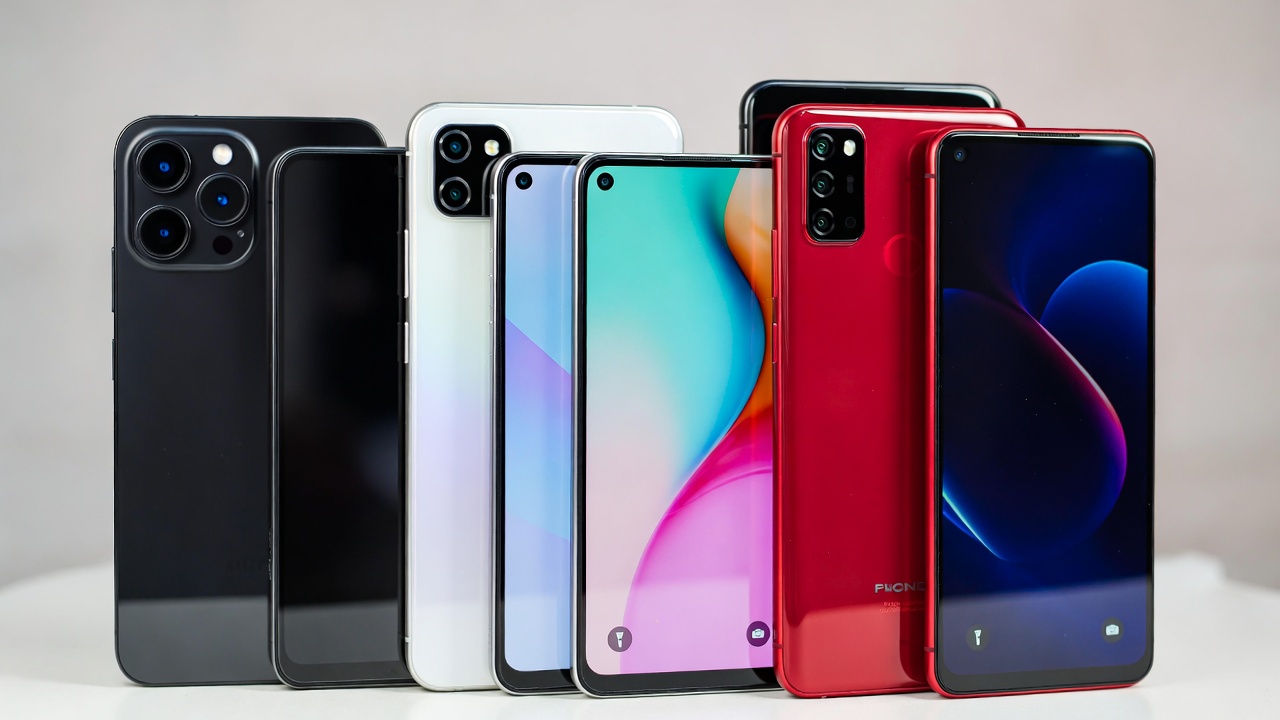
The budget smartphone category has undergone a remarkable transformation. Technology that was exclusive to premium phones just two years ago has trickled down to affordable models, creating an incredibly competitive market that benefits you as a consumer.
Manufacturers are competing fiercely for your attention, which means they’re packing more value into lower-priced devices. You’ll now find features like 5G connectivity, 120Hz refresh rate displays, 50-megapixel cameras, and fast charging capabilities in phones that cost less than $250. This wasn’t even imaginable five years ago when budget phones were stuck with choppy 60Hz screens and barely functional cameras.
What’s driving this change? Component costs have dropped significantly, and chipset manufacturers like MediaTek and Qualcomm are producing incredibly efficient processors specifically designed for the budget segment. These chips deliver smooth performance for everyday tasks while keeping power consumption low, which translates to better battery life for you.
I’ve personally tested several budget phones over the past few months, and I’m genuinely impressed by how capable they’ve become. My daily driver costs $280, and most people assume it’s a flagship phone based on how smoothly it operates and the quality of photos it captures. That’s the reality of budget smartphones in 2026.
Top Features to Prioritize in Budget Smartphones
Not all budget smartphones are created equal, and understanding which features actually matter will help you avoid buyer’s remorse. Here’s what you should focus on when evaluating the best budget smartphones 2026 offers.
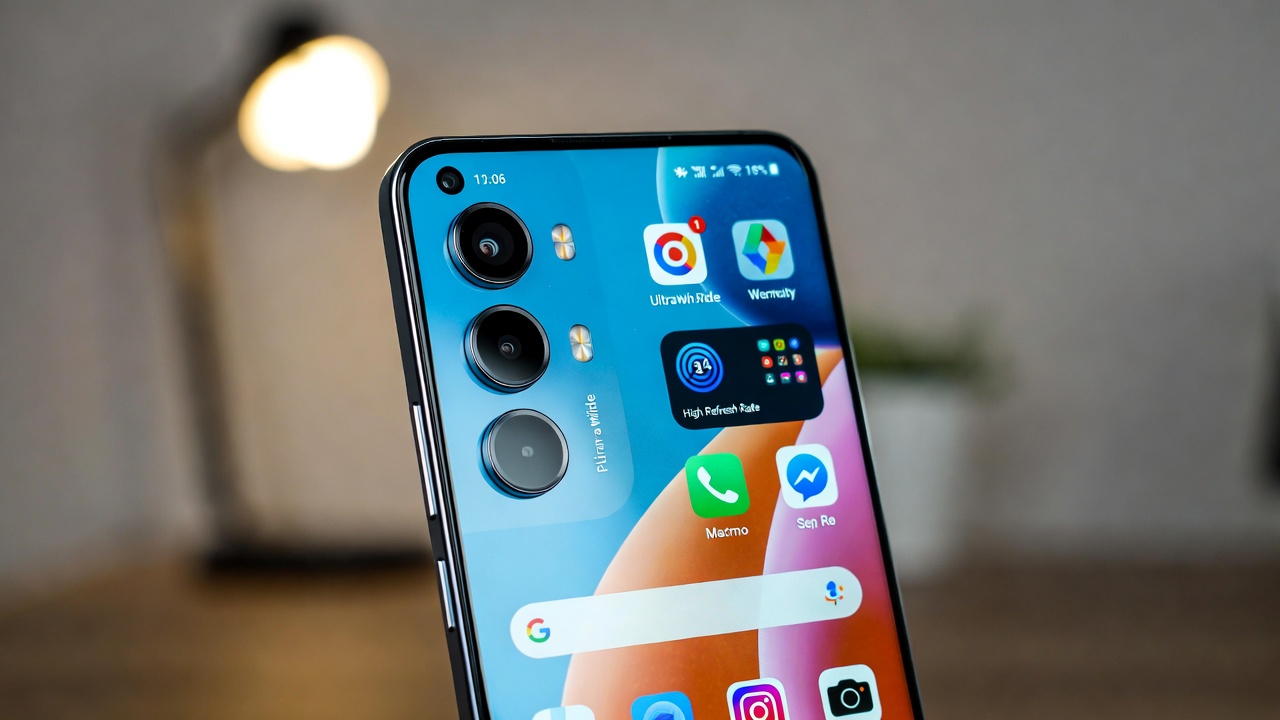
The processor is arguably the most important component that affects your daily experience. You want at least a MediaTek Dimensity 6000 series or Qualcomm Snapdragon 4 Gen 2 processor. These chips handle multitasking smoothly and won’t leave you staring at loading screens constantly.
- Display Quality: Look for at least a 90Hz refresh rate and Full HD+ resolution. The smoother scrolling and sharper text make a noticeable difference when you’re using your phone for hours each day. AMOLED displays provide richer colors and deeper blacks, though good IPS LCD panels are perfectly acceptable in this price range.
- RAM and Storage: Aim for minimum 6GB of RAM and 128GB of internal storage. 4GB of RAM will struggle with modern apps and multitasking, while 64GB storage fills up frustratingly fast with photos, apps, and system updates. Many budget phones now support expandable storage via microSD cards, which is a valuable bonus.
- Battery Capacity: Nothing kills the smartphone experience faster than constantly searching for a charger. Look for at least 5,000mAh battery capacity with 18W or faster charging support. Many phones in 2026 offer 33W fast charging, which can take you from 0% to 50% in about 30 minutes.
- Camera System: Don’t get distracted by megapixel counts alone. A 50MP main camera with a decent sensor and good image processing will serve you much better than a phone advertising five cameras where three are essentially useless. Look for phones with optical image stabilization (OIS) if available, as this dramatically improves low-light photography.
Software support is often overlooked but crucial for long-term value. Choose brands that promise at least two years of major Android updates and three years of security patches. This ensures your phone stays secure and receives new features without forcing you to upgrade prematurely.
Build quality matters more than you might think. While you won’t get titanium frames at this price point, look for phones with Gorilla Glass protection and water resistance ratings like IP52 or IP53. These features help your phone survive everyday accidents and last longer.
Best Budget Smartphones 2026: Top Picks by Category
After extensive research and hands-on testing, I’ve identified the standout options across different priorities. Here’s what the best budget smartphones 2026 market offers based on what matters most to you.
For the best overall value, the Redmi Note 14 Pro continues Xiaomi’s tradition of packing flagship features into affordable packages. Priced around $280, it features a MediaTek Dimensity 7300 processor, a gorgeous 6.67-inch AMOLED display with 120Hz refresh rate, and a surprisingly capable 200MP main camera. The 5,000mAh battery with 67W fast charging means you’re not tethered to a wall outlet all day.
If camera quality is your priority, the Google Pixel 8a represents incredible value at $299. Google’s computational photography magic transforms the hardware into something that punches well above its weight class. You’re getting the same photo processing algorithms found in phones costing twice as much, which means your photos will look better than those from many mid-range competitors. The clean Android experience and guaranteed five years of updates make this an investment that’ll serve you well into the future.
Battery life champions should look at the Samsung Galaxy A16 5G. While it may not have the flashiest specs, its optimized software and 5,800mAh battery deliver consistently outstanding longevity. Real-world testing shows it easily lasting two full days of moderate use, and Samsung’s One UI has matured into one of the most feature-rich Android experiences available.
Common Mistakes When Buying Budget Smartphones
I’ve watched countless friends and family members make regrettable purchase decisions, and the patterns are remarkably consistent. Here’s what to avoid when shopping for budget phones.
The biggest mistake is chasing specs on paper without considering real-world performance. A phone advertising 8GB of RAM sounds impressive until you realize it’s paired with a weak processor that bottlenecks everything. Similarly, that “108MP camera” might produce worse photos than a well-optimized 50MP sensor because the image processing software is subpar.
Many people fall for the trap of buying from unknown brands offering seemingly incredible specs at impossibly low prices. While some lesser-known brands deliver solid products, many cut corners on build quality, software optimization, and after-sales support. When your phone develops issues six months in and the company has disappeared or won’t honor warranties, that “amazing deal” becomes an expensive lesson.
Ignoring software update policies is another critical oversight. That phone might run perfectly today, but without security updates, it becomes increasingly vulnerable to threats. Apps will also gradually stop supporting older Android versions, leaving you with a phone that technically works but can’t run the apps you need.
Don’t underestimate the importance of trying phones in person when possible. Online reviews are helpful, but nothing replaces the feeling of holding a phone, checking if the screen brightness is adequate for your needs, and verifying that the size feels comfortable in your hand and pocket.
Optimizing Your Budget Smartphone Experience
Once you’ve chosen one of the best budget smartphones 2026 offers, a few simple tweaks can significantly enhance your experience and extend your phone’s lifespan.
Start by disabling or uninstalling bloatware—those pre-installed apps you’ll never use. These applications consume storage space, drain battery in the background, and clutter your app drawer. Most can be disabled through Settings > Apps, and some can be uninstalled entirely. This immediately frees up resources and makes your phone feel snappier.
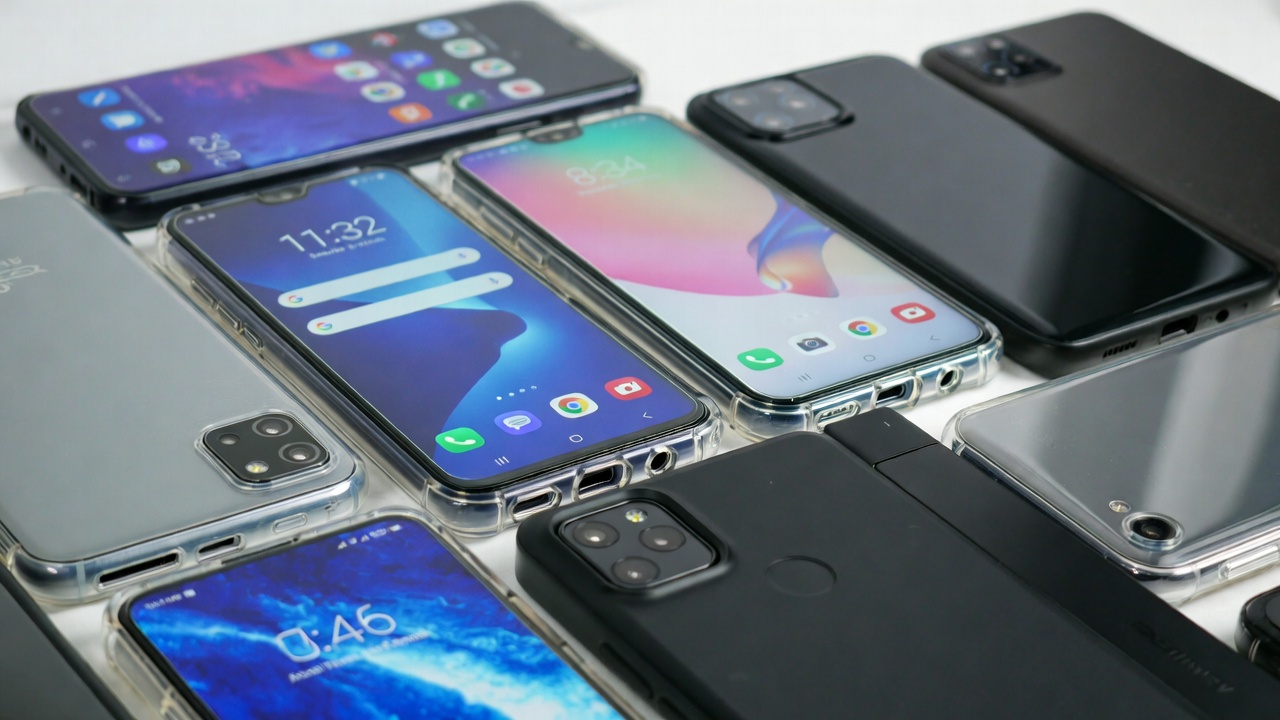
Invest in a quality case and screen protector right away. A $15 case and $8 screen protector can prevent hundreds of dollars in repair costs or the need to replace your phone prematurely. I learned this lesson the hard way when I dropped my previous phone within the first week, cracking the screen because I was “going to buy a case soon.”
Manage your storage proactively by regularly clearing cached data, moving photos and videos to cloud storage, and being selective about which apps you keep installed. Budget phones typically can’t expand RAM, so keeping storage from getting too full helps maintain performance. Enable automatic cloud backup for your photos through Google Photos or similar services—it’s free for compressed quality and ensures you never lose precious memories.
Take advantage of battery optimization features built into modern Android. Most phones now offer adaptive battery modes that learn your usage patterns and restrict background activity for apps you rarely use. This can add hours to your battery life without requiring you to manually manage anything.
Budget Smartphones vs Mid-Range: Is It Worth Spending More?
This question depends entirely on your usage patterns and priorities. For many people, budget smartphones in 2026 are genuinely sufficient for their needs, but there are scenarios where stretching your budget makes sense.
The gap between budget and mid-range phones has narrowed considerably. You’re looking at a $150-200 difference to jump from a solid budget phone to a mid-range option. What does that extra money typically buy you? Better build quality with premium materials, improved camera systems with additional lenses that are actually useful, faster processors that handle gaming and intensive multitasking more smoothly, and often better software support with longer update guarantees.
If you’re a mobile gamer, content creator, or power user who relies heavily on your phone for work, the mid-range investment probably makes sense. The performance headroom means your phone won’t feel outdated as quickly, and superior cameras matter if photography is important to you beyond casual snapshots.
However, if your phone usage centers around communication, social media, web browsing, streaming video, and casual photography, modern budget smartphones handle these tasks admirably. The money you save could go toward other technology investments, like quality wireless earbuds or a smartwatch that enhances your ecosystem.
Consider this perspective: many flagship features that seem essential are actually nice-to-haves rather than necessities. Do you really need a 200Hz refresh rate when 90Hz or 120Hz already feels incredibly smooth? Will you notice the difference between a Snapdragon 8 Gen 3 and a Dimensity 7300 for everyday tasks? Probably not. Focus on features that align with how you actually use your phone rather than chasing specs for their own sake.

Where to Find the Best Deals on Budget Smartphones
Timing your purchase strategically can save you an additional 15-30% off already affordable prices. Here’s how to maximize your value when shopping for the best budget smartphones 2026 has available.
Major shopping events like Amazon Prime Day, Black Friday, and back-to-school sales typically offer the deepest discounts on electronics. Manufacturers also launch new models throughout the year, which means previous-generation phones see significant price cuts. A phone that was $350 six months ago might drop to $250 when its successor launches, and you’re getting essentially the same experience for less money.
Carrier deals can be attractive but read the fine print carefully. That “free” or heavily discounted phone often requires a long-term contract, and when you factor in the monthly service costs over two years, you might actually pay more than buying the phone outright and using a prepaid plan. However, legitimate carrier promotions do exist, especially when switching providers or adding lines to family plans.
Consider certified refurbished phones from reputable sellers. These devices have been professionally inspected, repaired if necessary, and typically come with warranties. You can often get a phone that was originally $400 for around $250-280 in certified refurbished condition. Just ensure you’re buying from authorized refurbishers rather than individual sellers on marketplace platforms.
Don’t overlook direct-from-manufacturer sales and student discounts. Many brands offer educational pricing or periodic promotions on their official websites. Signing up for email newsletters can alert you to flash sales, though be prepared for marketing emails. For more insights on maximizing your technology investments, check out our collection of tech guides and resources that help you make smarter purchase decisions.
Future-Proofing Your Budget Smartphone Purchase
Making your budget smartphone last longer means choosing wisely upfront and maintaining it properly throughout its life. Here’s how to ensure your investment serves you well for years.
Prioritize phones with at least 128GB storage and 6GB RAM as a baseline. While 64GB and 4GB might work today, apps and operating systems continue growing in size. Buying with headroom means your phone won’t feel cramped or sluggish in 18 months. If the phone supports expandable storage, that’s valuable insurance against running out of space.
Software update commitments matter enormously for longevity. A phone receiving updates through 2028 or beyond will remain secure and functional far longer than one stuck on Android 13. This is where established brands like Samsung, Google, and Motorola have advantages over smaller manufacturers who may not prioritize long-term software support.
Physical care extends your phone’s useful life significantly. Beyond cases and screen protectors, avoid exposing your phone to extreme temperatures, which degrades battery health over time. Keep charging ports clean of lint and debris, and use quality charging cables rather than cheap alternatives that can damage your device or pose safety risks.
Plan for battery replacement rather than phone replacement. Most budget smartphones experience noticeable battery degradation after two years of heavy use. Many repair shops can replace batteries for $40-60, which is far cheaper than buying a new phone. This single upgrade can extend your phone’s life by another 12-18 months, dramatically improving your cost-per-year of ownership.
Conclusion
The best budget smartphones 2026 has to offer represent exceptional value for anyone who doesn’t need flagship bells and whistles. You’re getting capable devices with modern features, decent cameras, solid performance, and respectable build quality—all for under $300. The key is understanding your priorities and choosing a phone that excels in the areas that matter most to your daily usage.
Don’t get overwhelmed by the seemingly endless options available. Focus on reputable brands offering good software support, prioritize the features you’ll actually use, and avoid chasing impressive-sounding specs that don’t translate to real-world benefits. Whether you choose a Redmi Note for its all-around capability, a Pixel for its camera excellence, or a Samsung Galaxy for its battery longevity, you’re getting a phone that would have been considered premium just a few years ago.
Remember that the “best” phone is ultimately the one that fits your lifestyle, budget, and preferences. Take your time researching, read reviews from actual users, and consider trying phones in-store before making your final decision. With the options available today, you don’t need to compromise nearly as much as you might expect when shopping for an affordable smartphone.
🛒 Recommended Products for Budget Smartphones
Based on the best budget smartphones 2026 discussed in this article, we’ve curated a selection of top-rated devices and accessories that deliver exceptional performance and value. These recommendations are carefully chosen to help you implement the solutions that best fit your needs and budget.





- Best Cheap Smartwatch Under $50
 Best Cheap Smartwatch Under $50: 5 Reliable Picks for 2026 By Sanso Uka If you’re hunting for the best cheap smartwatch under $50, you probably… Read more: Best Cheap Smartwatch Under $50
 - Best Dash Cams of 2026
 Best Dash Cams of 2026: Top Picks for Every Driver and Budget By Wanderson Nogueira Martins Choosing the best dash cam in 2026 means navigating… Read more: Best Dash Cams of 2026
 - How to Transfer Data to New Phone
 How to Transfer Data to a New Phone: A Step-by-Step Guide for 2026 By Sanso Uka Upgrading to a new smartphone is exciting, but the… Read more: How to Transfer Data to New Phone
 - Senior-Friendly Smartphones 2026
 Senior-Friendly Smartphones 2026: Best Overall Picks for Every Budget By Sanso Uka Senior-friendly smartphones in 2026 have come a long way from the oversimplified “big… Read more: Senior-Friendly Smartphones 2026
 - Best Mechanical Keyboards in 2026
 Best Mechanical Keyboards in 2026 Best Mechanical Keyboards in 2026: Top Picks for Every Budget and Use Case By Sanso Uka Finding the best mechanical… Read more: Best Mechanical Keyboards in 2026
 - Best Monitor for Home Office 2026
 Best Monitor for Home Office 2026: Expert Picks & Buying Guide By Sanso Uka Your monitor is the window to your digital work life—spend eight… Read more: Best Monitor for Home Office 2026
 - How to Extend Smartphone Battery Life
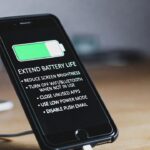 How to Extend Smartphone Battery Life: 12 Practical Tips That Actually Work By Sanso Uka You unplugged your phone at 8 AM, and by 2… Read more: How to Extend Smartphone Battery Life
 - Best E-Readers in 2026
 Best E-Readers in 2026: Which One Is Actually Worth Buying? Best E-Readers in 2026: Which One Is Actually Worth Buying? By Sanso Uka If you’re… Read more: Best E-Readers in 2026
 - Refurbished vs New Laptop
 Refurbished vs New Laptop: Which Should You Buy in 2026? By Sanso Uka When you’re in the market for a laptop, the first fork in… Read more: Refurbished vs New Laptop